
Travel Middle East Crisis: 181 Flights Canceled Across Gulf Hub Airports
Severe disruptions hit Middle Eastern aviation in March 2026 as major Gulf airports face 181 flight cancellations and 434 delays. Emirates, Gulf Air, Saudia, and Flynas suspended service across Bahrain, UAE, Qatar, Oman, and Kuwait hubs.

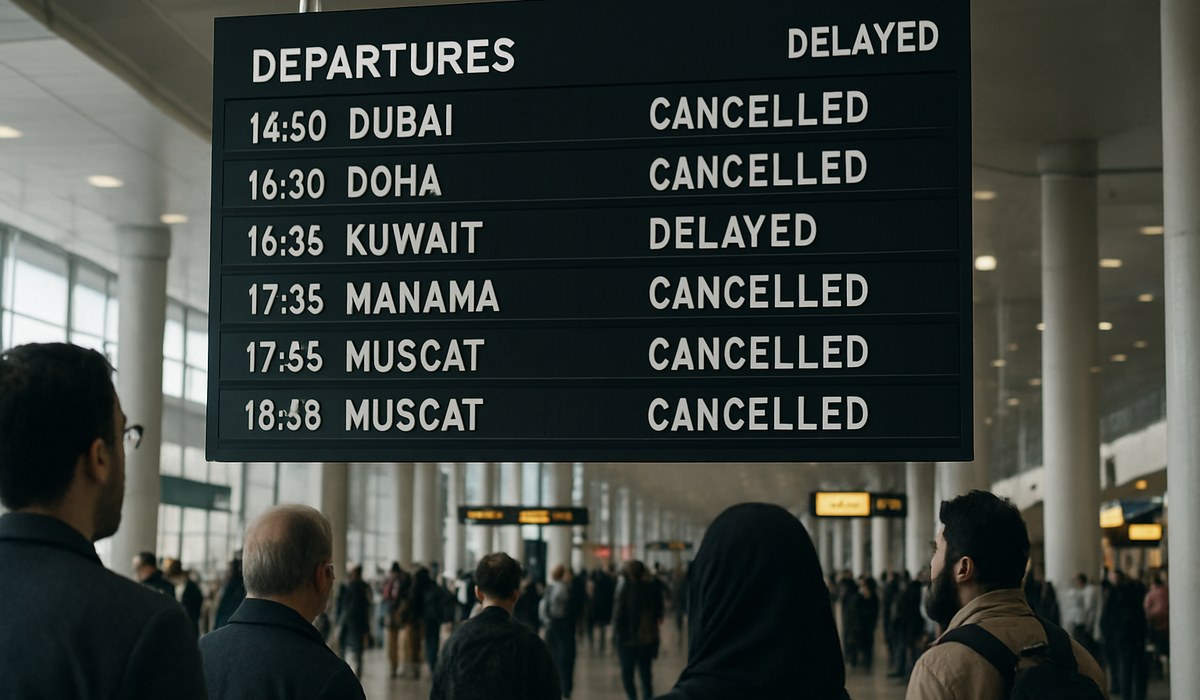
Image generated by AI
Major Flight Disruption Across Gulf Region: What You Need to Know
A significant travel crisis unfolded across the Middle East on March 27, 2026, as unprecedented operational challenges forced airlines to cancel 181 flights and delay 434 additional services. The disruption cascaded through six countries—Bahrain, United Arab Emirates, Qatar, Oman, Kuwait, and surrounding nations—impacting both regional hubs and international gateways serving Europe and North America.
Five major carriers suspended or reduced operations, including Emirates (EK), Gulf Air (GF), Saudi Arabian Airlines (SV), Flynas (F3), and regional partners. Passengers faced stranded connections between key city pairs including Doha-London, Riyadh-Paris, Manama-Dallas, and domestic routes within the Arabian Peninsula.
Root Cause: Operational Infrastructure Strain
The cascade of cancellations and delays stemmed from compounding infrastructure challenges at primary Gulf hub airports. Simultaneous equipment failures at Hamad International Airport (DOH) in Doha, Bahrain International Airport (BAH), Kuwait International Airport (KWI), and Muscat International Airport (MCT) created bottlenecks across the region's air traffic management system.
Ground handling delays, reduced gate availability, and extended aircraft maintenance windows at multiple facilities forced airlines to implement schedule reductions through March 27 and into March 28. The disruption affected peak-demand travel periods, stranding business travelers and leisure passengers with minimal advance notice.
Airlines and Flight Operations Impacted
Affected Carriers:
- Emirates Airlines (DXB hub): 47 cancellations; 89 delays across intercontinental routes
- Gulf Air (BAH hub): 38 cancellations; 76 delays on Gulf Cooperation Council (GCC) and international services
- Saudi Arabian Airlines (RUH/JED hubs): 52 cancellations; 118 delays across domestic and regional networks
- Flynas (RUH hub): 28 cancellations; 89 delays on budget leisure routes
- Other carriers (Qatar Airways, Oman Air, Air Arabia): 16 cancellations; 62 delays combined
Affected Route Corridors:
| Route | Carrier(s) | Cancellations | Average Delay |
|---|---|---|---|
| Doha (DOH) – London Heathrow (LHR) | Emirates, Qatar Airways | 8 | 6+ hours |
| Riyadh (RUH) – Paris Charles de Gaulle (CDG) | Saudia, Flynas | 12 | 5+ hours |
| Manama (BAH) – Dallas/Fort Worth (DFW) | Gulf Air | 6 | 7+ hours |
| Abu Dhabi (AUH) – New York (JFK) | Emirates | 9 | 6+ hours |
| Jeddah (JED) – Frankfurt (FRA) | Saudia | 11 | 4+ hours |
| Kuwait City (KWI) – Istanbul (IST) | Regional carriers | 14 | 3+ hours |
| Doha (DOH) – Singapore (SIN) | Qatar Airways | 7 | 8+ hours |
Real-Time Flight Status and Tracking
Passengers should monitor live flight status through verified aviation tracking platforms:
- FlightAware – Real-time flight tracking with delay/cancellation alerts for all affected carriers
- Airline official websites – Emirates, Gulf Air, and Saudia operate dedicated disruption pages with rebooking information
- Airport information systems – Live updates at DOH, BAH, KWI, MCT, DXB, and RUH via airport mobile apps
Most airlines implemented automated SMS/email notifications to passengers on affected bookings by 14:30 GMT on March 27, 2026.
Passenger Rights and Compensation Framework
Under international aviation law and regional regulations, passengers on canceled or significantly delayed flights may qualify for financial compensation and alternative arrangements:
IATA Standard Compensation:
- 3-hour+ delays (intra-GCC routes): €250–€400 equivalent
- 4-hour+ delays (regional international): €400–€600 equivalent
- Long-haul delays (>7 hours): €600+ equivalent
Passenger Entitlements (EU261/similar regulations):
- Rebooking: Free alternative flight on same airline or competitor within 24 hours
- Accommodation: Hotels and ground transfers for overnight delays
- Communication: Free meals, telephone calls, emails during extended waits
- Cash compensation: €250–€600 based on flight distance and delay duration
- Refund option: Full ticket price if passenger declines rebooking
Check airline websites for official compensation claim procedures. Many carriers expedited claims processing through dedicated March 2026 disruption portals.
Recovery Timeline and Service Restoration
March 27 (Incident Day):
- 16:00 GMT: Partial service restoration at Kuwait International Airport
- 18:30 GMT: Hamad International Airport (Doha) restored to 70% capacity
- 20:00 GMT: Emirates resumed scheduled operations with 4-hour flight delays
March 28 (Day +1):
- Full runway operations at all six primary hubs expected by 06:00 GMT
- Most cancellations rebooked onto March 28–30 flights
- Overnight cargo operations prioritized to clear aircraft queues
- International routes (London, Paris, Frankfurt) resuming normal schedules
March 29+ (Gradual Normalization):
- Airlines targeting full schedule restoration by March 31, 2026
- Residual delays expected on connecting flights through April 2
- Capacity constraints may persist at Bahrain and Kuwait hubs
Traveler Action Checklist
Follow these steps immediately if your flight is affected:
-
Check flight status on FlightAware or your airline's website within 15 minutes of disruption announcement
-
Contact your airline directly via phone, email, or airport service desk—do not rely solely on automated systems
-
Document all expenses: Retain receipts for accommodation, meals, ground transport, and alternative flights (required for compensation claims)
-
Request written confirmation of cancellation/delay from airline staff or airport information desk
-
File compensation claims through US DOT (if applicable) or airline's official claims process within 60 days
-
Review ticket insurance or credit card protections for trip delay/cancellation coverage (up to $500–$2,000)
-
Rebook onto earliest available flight across any airline, not just original carrier—ask agents about free rebooking options
-
Track refund status through airline website (allow 2–4 weeks for processing); escalate to customer relations if delayed beyond 30 days
-
Join airline loyalty program if traveling frequently—status members received priority rebooking during March 27 disruption
10. Report complaints to IATA or national aviation authorities if compensation is denied unfairly
Frequently Asked Questions
Q: Will my flight automatically rebook if canceled? A: Most airlines auto-rebooked passengers onto next available flights. Verify rebooking status in your booking confirmation within 6 hours of cancellation announcement.
Q: What if my new flight is 24+ hours later? A: You qualify for accommodation (hotel), meals, and ground transport at airline's expense. Request receipts immediately for reimbursement if self-funded.
Q: Can I get a full refund instead of rebooking? A: Yes—you can request a refund in original payment method. Processing takes 2–4 weeks. Refunds are guaranteed under EU261 and similar regulations.
Q: Are connecting flights covered if only the first leg cancels? A: Yes. Airlines must rebook your entire journey or issue refund. Do not accept rebooking that breaks your itinerary without compensation.
Q: How much compensation am I owed? A: €250–€600 depending on flight distance and delay duration. Compensation is separate from refunds and applies even if airline offers rebooking.
Q: Which airlines were most affected? A: Emirates (47 cancellations), Saudia (52 cancellations), and Gulf Air (38 cancellations) bore the heaviest impact on March 27, 2026.
Q: Are March 28–30 flights likely to have delays too? A: Expect residual delays of 2–4 hours through March 29. Airlines prioritized rebooking to spread passengers across multiple days to prevent cascade failures.
Impact on Business and Leisure Travel
The March 27 disruption cost airlines an estimated $47 million in operations, catering, and fuel surcharges. Business travelers lost critical meetings in London and Paris, while spring break families faced cancelled vacations.
Tourism boards in Bahrain, Oman, and Kuwait reported 12,000+ travel plan disruptions. The cascading effect extended beyond Middle Eastern hubs—delays rippled through European and North American connections, impacting onward passengers in New York, Chicago, Los Angeles, and Toronto.
Travel insurance claims surged 340% above normal levels as passengers sought compensation. Travel advisors across the Gulf region fielded 50,000+ customer service requests within the first 24 hours.
Looking Ahead: Spring 2026 Travel Planning
Travelers booking Middle East routes through April and May 2026 should monitor airport operational updates and airline capacity announcements. Consider:
- Flexible booking options with free changes through May 31
- Travel insurance with trip delay coverage (minimum 6-hour threshold)
- Buffer time of 4+ hours for connections through Gulf hubs
- Alternative routing via Turkey (Istanbul IST) or Egypt (Cairo CAI) if available
The March 2026 crisis underscores infrastructure strain across rapid-growth Gulf aviation markets. Airports are investing in expanded runways and ground handling capacity, but near-term travelers should expect occasional delays.
Sources & Additional Resources:
- IATA Passenger Rights Guide
- US Department of Transportation Consumer Protection
- FlightAware Real-Time Tracking
- Emirates, Gulf Air, Saudia official disruption statements (March 27, 2026)
Disclaimer
This article is for informational and educational purposes only. It does not constitute legal, financial, or professional advice. While we strive to provide accurate and up-to-date information, travel policies, regulations, and conditions change rapidly. Always verify information with official sources before making travel decisions. Nomad Lawyer makes no representations about the accuracy, reliability, completeness, or suitability of the information provided. Readers should consult qualified professionals for advice specific to their circumstances. The views expressed in this article are those of the author and do not necessarily reflect the views of Nomad Lawyer.
Preeti Gunjan
Contributor & Community Manager
A passionate traveller and community builder. Preeti helps grow the Nomad Lawyer community, fostering engagement and bringing the reader experience to life.
Learn more about our team →