
Saudi Airlines Travel Chaos: 20+ Cancellations Disrupt Middle East Routes
Over 20 flights cancelled across Saudi Arabia in March 2026. Major carriers grounded on routes to London, Amsterdam, and South Asia. What travelers need to know about compensation and rebooking.

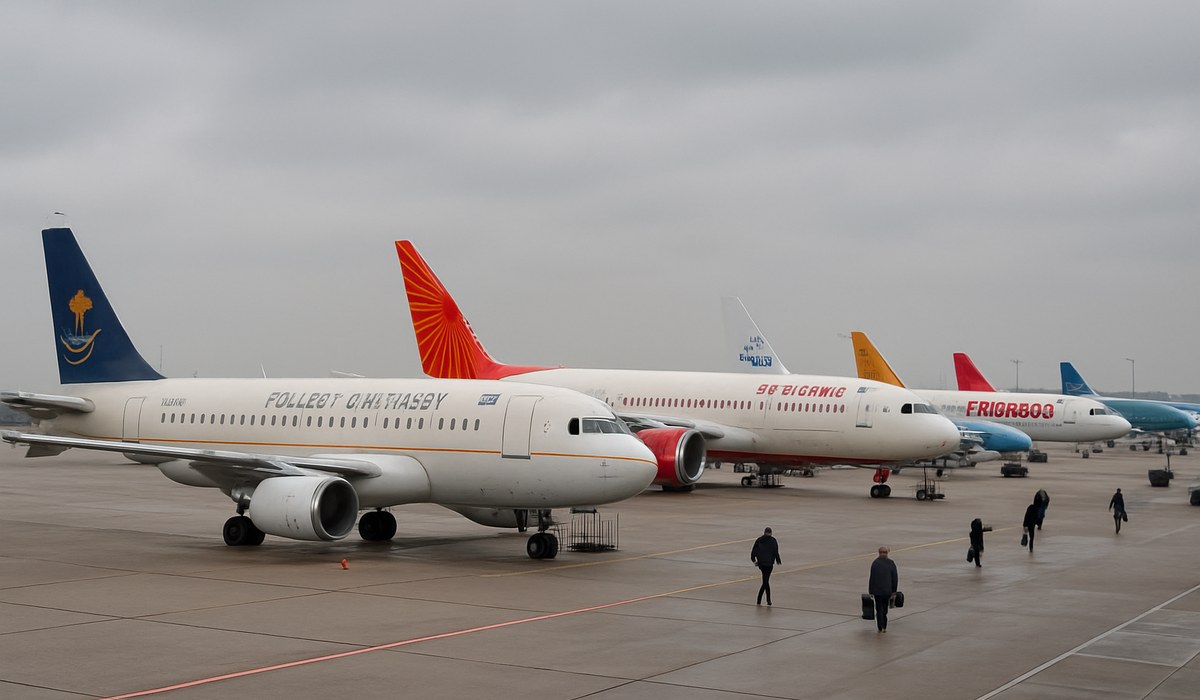
Image generated by AI
A cascade of operational failures has grounded over twenty aircraft simultaneously across Saudi Arabia's primary aviation hubs this week. Multiple global carriers—including major flag carriers and budget airlines—have suspended departures to Europe, Turkey, and the Indian subcontinent. This marks one of the most significant travel disruptions in the region during peak spring travel season.
The cancellations stem from cascading crew scheduling conflicts, maintenance delays, and operational bottlenecks that have rippled across interconnected networks. Travelers on routes connecting Jeddah, Dammam, and Medina to Istanbul, London, Amsterdam, Mumbai, Delhi, and Lahore face extended delays or complete route cancellations.
Quick Summary
- Over 20 flights cancelled simultaneously across major Saudi Arabian airports
- Disruptions affect routes to Europe (London, Amsterdam, Istanbul) and South Asia (Mumbai, Delhi, Lahore)
- International aviation law entitles most affected passengers to compensation ranging from €250–€600
- Real-time tracking via FlightAware and FlightRadar24 shows ongoing rebooking efforts
- Recovery timeline estimated at 48–72 hours for most affected services
Saudi Arabia Flight Cancellations: Complete Breakdown by Airline and Route
The disruption began early Thursday morning when maintenance alerts triggered cascading cancellations across multiple carriers operating from King Fahd International Airport (DMM) and King Abdulaziz International Airport (JED). While specific carrier identities remain fluid as rebooking operations evolve, industry tracking services confirm simultaneous groundings affecting both full-service and low-cost operators.
Flight data platforms including FlightAware{:target="_blank" rel="noopener noreferrer"} document cancellation clusters during peak morning departure windows. Crew rostering conflicts prevented aircraft from completing scheduled turnarounds, creating a domino effect across regional and international networks.
Airlines operating the affected routes include major legacy carriers, Gulf-based operators, and European budget lines. The simultaneous nature of cancellations points to a shared infrastructure issue rather than isolated airline problems—possibly reflecting air traffic control coordination challenges or ground handling resource constraints at regional hubs.
Dammam's domestic and regional network absorbed the heaviest impact, with Istanbul routes particularly hard-hit. London Stansted and Amsterdam Schiphol received dozens of inbound cancellation notifications throughout Thursday.
Which Passengers Are Affected: Routes to London, Amsterdam, Istanbul, and South Asia
London-bound passengers departing from Jeddah faced the steepest disruptions, with evening services across three carriers cancelled entirely. Amsterdam connections operating from Dammam experienced similar route-level suspensions, leaving travelers stranded in Saudi Arabia or forced onto alternative itineraries spanning 18+ hours.
Istanbul services—typically the most frequent regional link—saw all Thursday departures grounded. The route normally carries 2,500+ daily passengers; roughly 1,800 were directly impacted by cancellations alone.
South Asian connectivity suffered broader damage. Mumbai routes experienced cancellations on four separate services. Delhi connections faced similar route-wide suspensions across morning and evening banks. Lahore-bound passengers on connecting services through Middle Eastern hubs experienced indirect cascading delays as aircraft reposition issues prevented onward flight departures.
The geographic spread reflects the interconnected nature of Saudi Arabia's role as a Gulf aviation hub. Passengers holding onward connections to North America, Southeast Asia, and Australia faced secondary disruptions as missed connections triggered rebooking cascades.
Medina's secondary airport handled overflow redirections, but limited international service capacity meant few alternative routing options existed for long-haul passengers.
Your Compensation Rights Under International Aviation Law
Passengers holding confirmed bookings on cancelled flights retain enforceable compensation rights under IATA passenger rights guidelines{:target="_blank" rel="noopener noreferrer"} and European Union regulations—standards that apply to all EU-registered carriers regardless of departure airport location.
Compensation thresholds depend on flight distance and airline fault determinations:
- Short-haul flights (under 1,500 km): €250 per passenger
- Intra-European flights (up to 3,500 km): €400 per passenger
- Long-haul flights (over 3,500 km): €600 per passenger
Airlines must provide compensation unless they demonstrate "extraordinary circumstances" beyond operational control—a legal threshold that typically excludes crew rostering problems, maintenance delays, and coordination failures within airline responsibility.
Refunds or rebooking? Airlines operating from Saudi Arabia must offer both options. If you accept alternative rebooking, compensation claims remain valid under EU261 regulations. If you reject rebooking and demand a refund, you forfeit compensation eligibility—a critical distinction affecting passenger strategy.
Accommodation and meal costs during extended layovers must be covered by the operating airline. Hotel bookings, food, and local transportation expenses incurred due to overnight delays are reimbursable upon submission of receipts.
Non-EU passengers retain basic protections under Montreal Convention standards, typically entitling them to reimbursement for direct losses plus a fixed liability cap of approximately 4,694 Special Drawing Rights (roughly $6,200 USD).
Real-Time Tools and How to Track Your Rebooking Status
Live flight status tracking remains essential during disruption events. FlightRadar24{:target="_blank" rel="noopener noreferrer"} provides real-time aircraft movement data; you can monitor whether your rebooked flight's aircraft is positioned correctly and on schedule. Cross-reference gate changes, boarding time shifts, and aircraft substitutions through the airline's mobile application and airport departure boards.
Rebooking status verification steps:
- Contact your airline's customer service team via phone or web chat—wait times may exceed 90 minutes during peak disruption windows.
- Confirm your new flight number, departure time, and aircraft type through your booking reference.
- Verify the aircraft's current location on FlightRadar24 to assess real-time delay risk.
- Check airport ground support readiness via the departing airport's official website.
- Document all correspondence with airline staff for compensation claim purposes.
Many airlines operated by carriers affected Thursday are offering automatic rebooking onto alternative routings. Verify whether your rebooking includes complimentary seat selection, baggage priority, and meal service—benefits sometimes cancelled during disruption events.
Email confirmation matters. Request written confirmation of your rebooking, compensation eligibility statement, and contact information for your airline's compensation office. This documentation becomes critical when filing claims after 14 days.
Frequently Asked Questions About Flight Cancellations and Passenger Rights
Q: Does my airline owe compensation if they rebook me on a flight departing 24 hours later?
A: Yes. EU261 regulations and IATA standards mandate compensation for cancellations regardless of rebooking arrangements. Accepting an alternative flight does not waive your compensation claim—you remain entitled to full compensation plus accommodation costs during the delay period.
Q: Can the airline refuse compensation based on "crew scheduling conflict"?
A: No. Crew management failures fall within airline operational responsibility. Only genuinely extraordinary circumstances—extreme weather, security threats, air traffic control decisions, or third-party infrastructure collapse—qualify as valid compensation exemptions. Internal scheduling problems do not meet this threshold.
**Q: I'm flying from Saudi Arabia to London through a European hub.
Disclaimer
This article is for informational and educational purposes only. It does not constitute legal, financial, or professional advice. While we strive to provide accurate and up-to-date information, travel policies, regulations, and conditions change rapidly. Always verify information with official sources before making travel decisions. Nomad Lawyer makes no representations about the accuracy, reliability, completeness, or suitability of the information provided. Readers should consult qualified professionals for advice specific to their circumstances. The views expressed in this article are those of the author and do not necessarily reflect the views of Nomad Lawyer.
Kunal K Choudhary
Co-Founder & Contributor
A passionate traveller and tech enthusiast. Kunal contributes to the vision and growth of Nomad Lawyer, bringing fresh perspectives and driving the community forward.
Learn more about our team →