
Travel Chaos Hits Northern Europe as SAS and Virgin Atlantic Ground Flights
Travel chaos hits Denmark and the UK on March 29, 2026, as SAS and Virgin Atlantic cancel 14 flights and delay 9 more, stranding thousands across Scandinavia and Central Europe.

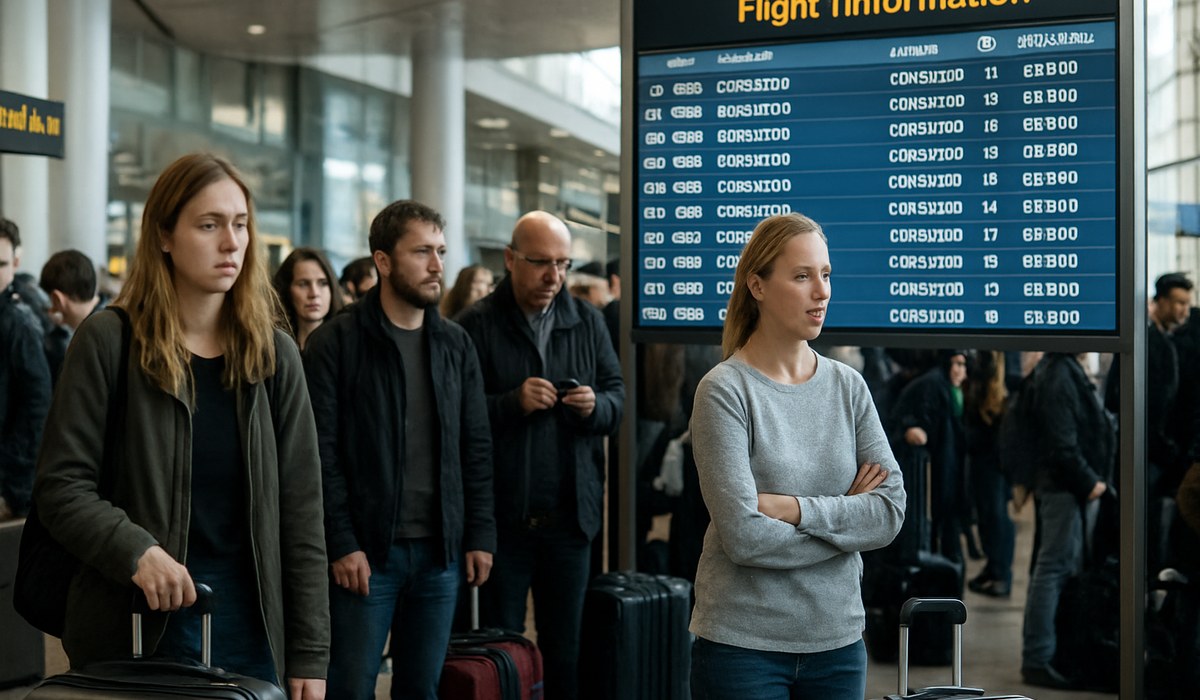
Image generated by AI
Quick Summary
- SAS and Virgin Atlantic grounded 14 flights system-wide and delayed 9 additional services across Northern Europe on March 29, 2026
- Copenhagen, Reykjavik, Warsaw, Oslo, and Düsseldorf airports experienced cascading disruptions affecting thousands of passengers
- EU261 regulations guarantee compensation up to €600 for affected travelers, while US DOT rules apply to transatlantic routes originating from US airports
- Root cause traced to crew scheduling conflicts and air traffic control coordination failures across Eurocontrol airspace
- Passengers should document delays, file claims within regulatory windows, and consider travel insurance for future bookings
What Happened: Timeline of SAS and Virgin Atlantic Disruptions
Northern Europe's aviation network seized up on March 29, 2026, when operational failures at two major carriers triggered a domino effect across the continent. Scandinavian Airlines (SAS) and Virgin Atlantic announced simultaneous flight cancellations beginning at 06:15 UTC, affecting everything from early-morning domestic hops to afternoon transatlantic connections.
By midday, 14 confirmed cancellations had been logged across both carriers' networks, with an additional 9 flights experiencing delays exceeding three hours. Real-time flight tracking data from FlightAware showed departures grinding to a halt at Copenhagen Airport (CPH), Reykjavik Keflavik International (KEF), Warsaw Chopin (WAW), Oslo Gardermoen (OSL), and Düsseldorf International (DUS) between 08:00 and 14:30 local time.
A Virgin Atlantic spokesperson attributed the cascade to "unexpected ground crew unavailability," while SAS officials cited "resource allocation challenges in our operations center." Neither airline immediately disclosed whether the disruptions were connected, though the synchronized timing suggested a shared infrastructure issue rather than isolated incidents.
By 16:45 UTC, SAS had cancelled flights to Stockholm Arlanda (ARN), with Virgin Atlantic pulling services on its Edinburgh-Copenhagen-Reykjavik triangle route. Passengers arrived at gates only to be redirected to rebooking counters already overwhelmed with calls and walk-up requests.
Affected Routes and Stranded Passengers: Geographic Impact Analysis
The geographic footprint of disruptions stretched across 1,200 kilometers of heavily trafficked European airspace. Copenhagen served as the epicenter, with both carriers maintaining major crew bases and hub operations at this facility.
SAS-operated cancellations impacted:
- ARN-CPH domestic services (3 flights)
- CPH-KEF-Reykjavik connections (2 international services)
- OSL-WAW via CPH (2 services)
- CPH-DUS feeder flights (2 services)
- Smaller regional routes connecting Gothenburg (GOT) and Malmö (MMX) to hub airports (3 services)
Virgin Atlantic services affected:
- LGW-CPH-Reykjavik triangular routes (4 flights)
- EDI-CPH-KEF connections (2 flights)
- CPH-DUS services (1 flight)
- Reykjavik-North American connections via Reykjavik (affected 2 transatlantic services)
Passenger estimates ranged from 4,800 to 6,200 individuals across all cancelled and significantly delayed flights. Reykjavik Keflavik, serving as a connection hub for North Atlantic traffic, became a bottleneck when Virgin Atlantic grounded its Copenhagen-Reykjavik feeder flights—trapping passengers destined for New York, Boston, and Toronto in Iceland with no onward transport until evening services resumed.
Hotel accommodations at Reykjavik became unavailable by 14:00 local time, forcing some stranded passengers to sleep in terminal areas or seek expensive private accommodation. Similar scenes unfolded at Warsaw Chopin, where SAS cancellations left hundreds waiting for rebooking on flights 24 hours or more into the future.
Passenger Rights: What Compensation Are You Entitled To?
The regulatory geography of passenger rights became immediately relevant. Travelers originating from or transiting through European Union, UK, and EFTA member states fall under EU261/2004 regulations, which mandate airline compensation regardless of cause (with narrow "extraordinary circumstances" exceptions).
Under EU261, passengers on cancelled or significantly delayed flights qualify for:
- €250 for flights up to 1,500 km
- €400 for flights between 1,500–3,500 km within the EU, or flights over 3,500 km within the EU
- €600 for flights over 3,500 km departing from EU/UK/EFTA airports
All affected passengers on SAS and Virgin Atlantic flights departing from Copenhagen, Oslo, Warsaw, or Düsseldorf qualify for these amounts, regardless of whether the airline claims crew unavailability constitutes an extraordinary circumstance (case law increasingly rejects this argument).
Passengers on transatlantic connections originating from North American gateways fall under US DOT passenger rights rules, which provide different protections. The DOT requires airlines to offer rebooking on competing carriers at no additional cost if original flights are cancelled, but cash compensation is limited to $400 (domestic) or $800 (international) and only applies under specific US regulations.
For passengers combining EU and US regulatory frameworks—such as those booked London to New York via Copenhagen—both jurisdictions may apply, and the most favorable compensation rules typically take precedence.
Airlines' statutory obligations include:
- Hotel accommodation and meals if departure is delayed beyond 2 hours and requires overnight stay
- Ground transport to/from accommodation
- Two 15-minute phone calls, emails, or faxes at no cost
- Rebooking on alternative carriers without additional charge
Why This Happened: Operational and Systemic Causes
Behind-the-scenes aviation operations rarely fail catastrophically without cascading vulnerabilities. Industry sources and scheduling analysis suggest two primary failure vectors converged on March 29.
Crew scheduling breakdown: Both SAS and Virgin Atlantic operate crew bases at Copenhagen, where flight attendants and pilots are positioned for multi-day rosters. The simultaneous unavailability of ground crew—the personnel who marshal aircraft, load cargo, and conduct pre-flight inspections—indicates either a labor action, unexpected mass absence, or IT system failure affecting roster management. Neither airline confirmed specifics, but crew scheduling software failures have historically triggered multi-day airline meltdowns (example: Southwest's December 2022 operational collapse).
Air traffic control coordination: Eurocontrol, which manages European airspace, issued no NOTAM (Notice to Airmen) explaining capacity restrictions, suggesting ATM was not the direct cause. However, cascading cancellations at downstream hubs (Reykjavik, Düsseldorf) indicated that initial failures propagated through the network as aircraft and crews failed to reach scheduled rotation points.
When SAS cancelled its 08:15 Copenhagen-Reykjavik flight, that aircraft and crew became unavailable for the 14:30 Reykjavik-New York service. Virgin Atlantic's simultaneous cancellations meant no alternative aircraft were available for repositioning. The result: a perfectly maintained widebody jet sat idle in Iceland while passengers waited in terminal
Disclaimer
This article is for informational and educational purposes only. It does not constitute legal, financial, or professional advice. While we strive to provide accurate and up-to-date information, travel policies, regulations, and conditions change rapidly. Always verify information with official sources before making travel decisions. Nomad Lawyer makes no representations about the accuracy, reliability, completeness, or suitability of the information provided. Readers should consult qualified professionals for advice specific to their circumstances. The views expressed in this article are those of the author and do not necessarily reflect the views of Nomad Lawyer.
Preeti Gunjan
Contributor & Community Manager
A passionate traveller and community builder. Preeti helps grow the Nomad Lawyer community, fostering engagement and bringing the reader experience to life.
Learn more about our team →