
Travel Alert Risks: US Security Warning Flags Mexico Summer 2026
The US State Department issued a travel alert risks advisory for Mexico this March 2026, citing security concerns ahead of peak summer tourism season. Travelers face elevated insurance costs and potential flight disruptions.

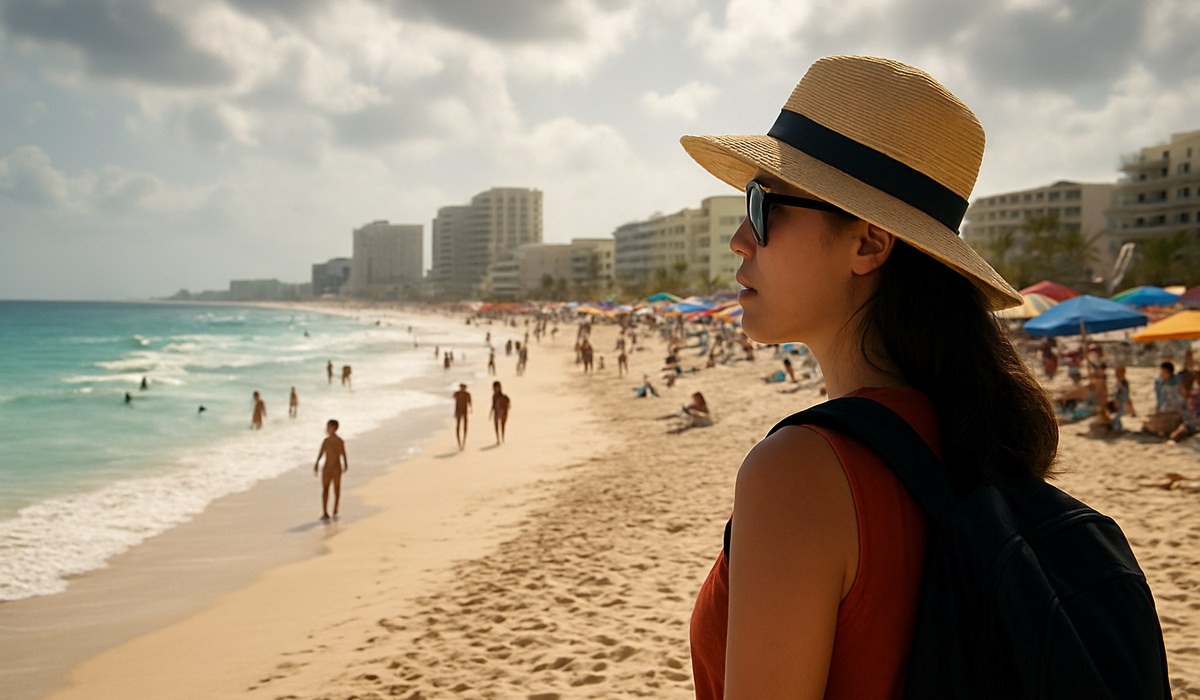
Image generated by AI
Breaking: US State Department Issues Travel Alert Risks for Mexico Summer 2026
The US State Department released a significant travel alert risks advisory on March 25, 2026, warning American travelers about heightened security concerns affecting Mexico throughout the summer tourism season. The announcement comes as international travel demand surges and travel insurance premiums spike across the Americas. This warning specifically addresses potential threats and operational disruptions impacting popular Mexican destinations and cross-border travel corridors.
Security Threats Driving Travel Alert Risks to Mexico
The primary driver behind this travel alert risks designation involves geopolitical tensions affecting regional stability. US State Department officials warn that certain Mexican border regions and high-tourism areas face elevated risk levels. Travel insurance companies report a 45% surge in policy inquiries for Mexico-bound travelers since the March 25 announcement. Security consultants advise visitors to avoid specific provinces and register with the US State Department's Smart Traveler Enrollment Program before departure.
The alert impacts major tourist hubs including Cancún, Puerto Vallarta, and Los Cabos. Airlines operating routes to these destinations have increased security protocols. Travelers should expect longer check-in times and enhanced screening procedures at major Mexican airports serving US carriers.
Airlines Revising Operations Due to Summer Travel Alert Risks
Multiple US carriers have adjusted schedules in response to the travel alert risks advisory. Airlines including American Airlines, United Airlines, and Southwest Airlines have issued internal memos to flight crews regarding security procedures and contingency protocols. No immediate flight cancellations were announced, though some carriers are evaluating route frequency for summer 2026.
Passenger rebooking options remain available for travelers reconsidering Mexico vacations. Airlines are waiving change fees through April 15, 2026, allowing customers to modify reservations without penalties. Check directly with your carrier for specific policy details, as terms vary by airline and ticket type. Real-time flight status information is available through FlightAware.
Insurance Demand Surge Impacts Travelers' Out-of-Pocket Costs
Travel insurance companies report unprecedented demand following the travel alert risks announcement. Premiums for Mexico-bound travelers have increased between 35% and 50% depending on coverage level and destination risk classification. Standard policies now include security incident coverage and emergency evacuation benefits.
Industry analysts expect this elevated demand to continue through summer 2026. Early booking and advance insurance purchases secure better rates before additional price increases occur. Compare quotes from multiple providers to identify optimal coverage matching your specific travel dates and risk tolerance. Many credit card companies offer built-in travel protection; review your card benefits before purchasing standalone insurance.
Mexico Border Regions Face Heightened Security Scrutiny
Specific Mexican states identified in the travel alert risks warning include elevated caution zones. The State Department recommends avoiding non-essential travel to certain northern border areas. Popular tourist destinations remain open but require heightened awareness and precautions. Travelers to beach resorts and colonial cities should maintain situational awareness and follow local guidance.
Consular offices in Mexico City, Guadalajara, and Monterrey are operating normally. US citizens requiring assistance can contact these facilities through the State Department's emergency services. Register your travel plans and maintain regular communication with family members regarding your itinerary.
Traveler Action Checklist
- Register your Mexico trip with the US Smart Traveler Enrollment Program immediately
- Purchase comprehensive travel insurance including medical and evacuation coverage before departure
- Review current State Department Mexico travel advisories by region on their official website
- Contact your airline directly to confirm current policies, security procedures, and waived change-fee eligibility
- Share your itinerary, hotel contact information, and flight details with trusted family members
- Check vaccine requirements and travel document validity (passport must be valid six months beyond travel dates)
- Monitor local news and register with your hotel concierge upon arrival for location-specific security updates
- Download the US State Department mobile app for real-time alerts and emergency contacts
- Photograph your passport ID page and store copies separately from your physical documents
- Verify your credit card and travel insurance contact numbers work internationally before departure
Impact Summary: Key Facts and Figures
| Data Point | Details |
|---|---|
| Alert Issue Date | March 25, 2026 |
| Primary Affected Country | Mexico (multiple regions) |
| Insurance Premium Increase | 35–50% above baseline rates |
| Waived Rebooking Window | Through April 15, 2026 |
| Major Affected Airlines | American, United, Southwest, Delta |
| Policy Query Surge | 45% increase since announcement |
| Key Tourist Destinations | Cancún, Puerto Vallarta, Los Cabos |
| Recommended Action | Register with Smart Traveler Program |
What This Means for Travelers
The travel alert risks advisory directly impacts summer 2026 vacation planning and budgets. Travelers already booked to Mexico should contact their airlines immediately to understand rebooking options and change policies. Those in the planning phase should consider alternative destinations or postpone trips until security conditions stabilize.
Insurance costs will increase substantially; purchasing coverage now locks in better rates than waiting. Confirm your credit card offers travel protection before buying standalone policies, potentially saving hundreds of dollars. Expect longer processing times at Mexican airports due to enhanced security screening.
Families should establish communication protocols before departure. Schedule regular check-ins with trusted contacts and provide them complete travel itineraries. Download offline maps and emergency contact information. Understand that travel alert risks may justify cancellation under certain insurance policies—review fine print carefully.
Consider visiting alternative beach destinations in the Caribbean or Central America offering comparable experiences without elevated security concerns. The US State Department travel advisory system provides detailed regional breakdowns to guide your decision-making.
Frequently Asked Questions
What exactly does a travel alert risks warning mean for Mexico travelers? A travel alert risks designation indicates heightened security concerns within specific regions or throughout the entire country. It means the State Department recommends heightened caution but does not prohibit travel. Travelers should exercise extreme diligence, avoid high-risk areas, and maintain awareness of local conditions. This differs from a "Do Not Travel" advisory, which strongly discourages all tourism.
Will my airline refund my ticket due to the travel alert risks to Mexico? Airlines are waiving change fees through April 15, 2026, allowing free rebooking to different dates or destinations. However, full refunds depend on your specific ticket type and airline policy. Basic economy fares typically permit changes but not refunds. Contact your airline directly to explore options; credit card protections may also provide refund eligibility. Always ask about available alternatives before accepting a change-only option.
How much will travel insurance cost for Mexico given the current travel alert risks? Premiums have increased 35–50% since the March 25 announcement. A basic plan covering medical emergencies and trip cancellation ranges from $150 to $400 for two-week trips. Comprehensive plans including evacuation and security-incident coverage cost $400 to $800. Purchasing immediately secures lower rates than waiting; prices will likely continue rising. Compare at least three providers before purchasing.
Which Mexican tourist destinations are safest during this travel alert risks period? Cancún, Puerto Vallarta, and Los Cabos remain open and operational with increased security presence. Coastal resort areas generally maintain better security infrastructure than inland regions. Colonial cities like San Miguel de Allende and Oaxaca have localized advisories. Check the State Department's region-specific guidance before booking. Consult your hotel concierge and local authorities upon arrival for current conditions.
Related Travel Guides
- Italy Confirms Nationwide Ground Handling Strike on June 26
- Delta Flight EDV5404 Diversion: Milwaukee to New York Flight Operated by Endeavor Air Reroutes to Philadelphia International Airport: What Every Traveller Must Know
- UAE, Saudi Arabia, Qatar, Oman, and Bahrain Unite to Drive Gulf Tourism Resilience and Capture Surging Middle East Travel Demand: New Travel Alert
Disclaimer
This article is for informational and educational purposes only. It does not constitute legal, financial, or professional advice. While we strive to provide accurate and up-to-date information, travel policies, regulations, and conditions change rapidly. Always verify information with official sources before making travel decisions. Nomad Lawyer makes no representations about the accuracy, reliability, completeness, or suitability of the information provided. Readers should consult qualified professionals for advice specific to their circumstances. The views expressed in this article are those of the author and do not necessarily reflect the views of Nomad Lawyer.
Preeti Gunjan
Contributor & Community Manager
A passionate traveller and community builder. Preeti helps grow the Nomad Lawyer community, fostering engagement and bringing the reader experience to life.
Learn more about our team →