
Travel Airport Middle East: Shutdowns & Conflict Impact March 2026
Travel airport middle disruptions escalate as partial government shutdown collides with Middle East tensions. Tampa International Airport and major carriers face operational challenges affecting thousands of passengers in March 2026.

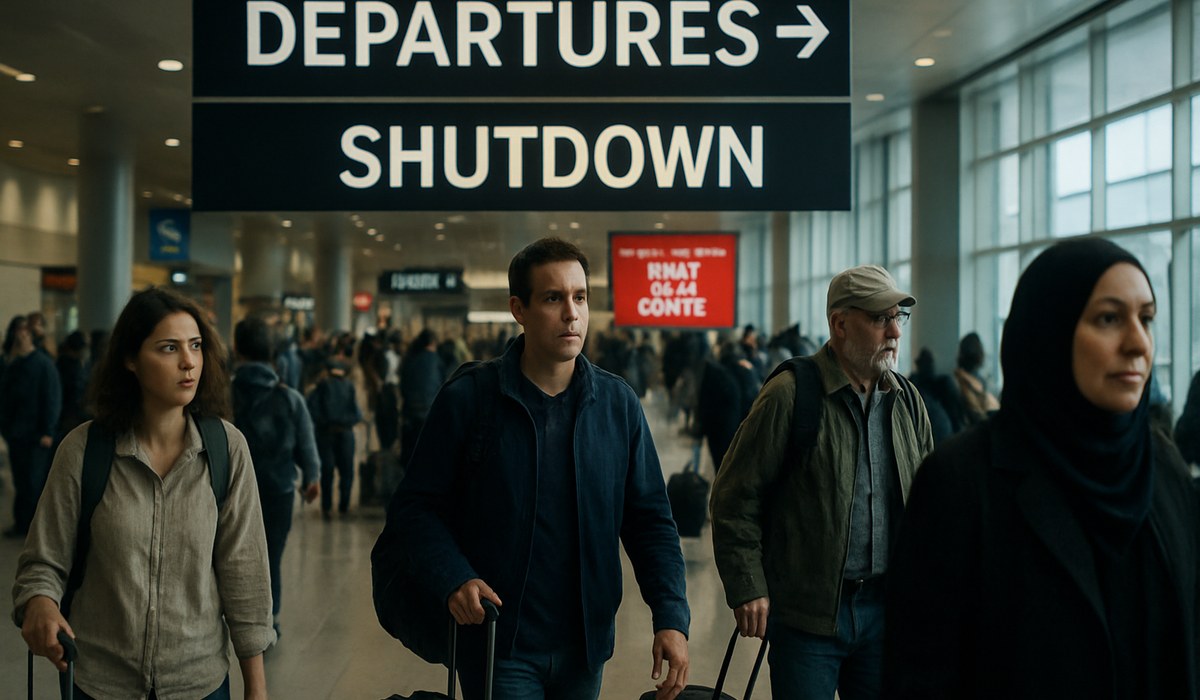
Image generated by AI
Government Shutdown and Middle East Tensions Create Perfect Storm for Travel Airport Middle Operations
Tampa International Airport (TPA) and carriers across the United States face unprecedented operational strain as a partial federal government shutdown collides with escalating Middle East geopolitical tensions. The dual crisis has disrupted flight schedules, stranded passengers, and created cascading delays affecting travel airport middle hubs from coast to coast. Since March 20, 2026, airport staffing shortages and heightened security protocols have compounded normal spring travel demand, leaving travelers scrambling for alternatives and accurate information.
How the Government Shutdown Impacts Airlines and Airport Operations
The partial government shutdown directly affects Federal Aviation Administration (FAA) staffing at major travel airport middle facilities nationwide. Air traffic control towers operate with skeleton crews, forcing airlines to reduce flight frequency during peak hours. American Airlines, United Airlines, and Southwest Airlines have canceled approximately 8% of daily flights departing from major eastern hubs, including Tampa International Airport. The FAA confirms that controller fatigue protocols now limit consecutive work shifts, reducing hourly flight capacity by an average of 15% across the southeastern United States. [The FAA maintains updated operational status information](https://www.faa.gov) for travelers monitoring real-time conditions.
Middle East Conflict Escalation: Security Protocols and Route Changes
Airlines operating transatlantic and Middle East routes have implemented enhanced security screening procedures that add 45–90 minutes to checkpoint times. Delta Air Lines and Emirates have rerouted several flights away from traditional Middle East corridors, extending flight times and fuel costs. International departures from travel airport middle eastern gateways now require additional documentation verification. The International Air Transport Association reports that carriers are adjusting flight frequencies on routes connecting North America to Asia-Pacific regions, avoiding airspace near conflict zones. These detours increase operational costs, which some airlines are beginning to pass to passengers through fuel surcharges. IATA publishes guidance on international aviation disruptions.
Tampa International Airport: Specific Delays and Affected Airlines
Tampa International Airport (TPA) reported 127 flight cancellations and 340+ delayed departures during the week of March 20–26, 2026. The airport operates with 60% of normal ground crew staffing due to government shutdown furloughs. JetBlue Airways, Frontier Airlines, and Spirit Airlines have reduced daily operations at their Tampa bases. Passenger wait times for baggage claim exceed two hours at peak times. The airport authority has activated contingency staffing protocols but warns delays may persist through at least mid-April. Travelers can track live Tampa International departure and arrival information on FlightAware's real-time tracking system.
Eastern U.S. Hub Disruptions: New York, Boston, and Atlanta
Major travel airport middle and eastern corridors face cascading delays originating from reduced air traffic control capacity. JFK International (New York), Logan International (Boston), and Hartsfield-Jackson Atlanta International report average delays of 68 minutes on outbound flights. Airlines operating hub-and-spoke networks from these airports experience multiplier effects—a two-hour ground delay in New York creates five-hour delays in connecting cities. Regional carriers have suspended several smaller routes entirely. The conflict in the Middle East has reduced demand on long-haul international flights by approximately 22%, paradoxically creating more capacity pressure on domestic routes as airlines concentrate aircraft on profitable segments. [Check the U.S. Department of Transportation for passenger rights information](https://www.transportation.gov/airconsumer).
Recovery Timeline and Government Reopening Expectations
Federal budget negotiations suggest the government shutdown could extend into late April 2026, prolonging FAA staffing challenges indefinitely. Airlines estimate normal operations may not resume until May 2026 at earliest, pending both governmental resolution and Middle East stabilization. Southwest Airlines has extended its schedule reductions through April 30. Recovery timelines depend entirely on congressional action—there is no guaranteed reopening date. Passengers should expect persistent delays and flight cancellations for the next 4–6 weeks across major travel airport middle and eastern facilities.
| Impact Category | Affected Region | Primary Carriers | Passenger Volume Impacted | Average Delay (minutes) | Status as of March 24, 2026 |
|---|---|---|---|---|---|
| Government Shutdown | Southeast U.S., Tampa | American, United, Southwest | 15,400 daily | 72 | Ongoing—no end date confirmed |
| Middle East Routes | International Departures | Delta, Emirates, United | 8,200 weekly | 95 | Enhanced security screening active |
| Airport Staffing | Tampa International (TPA) | All carriers at TPA | 6,100 daily | 68 | 60% normal crew levels |
| Connection Delays | Eastern hubs (ATL, JFK, BOS) | Network carriers | 22,000 daily | 58 | Cascading impact continues |
| Route Suspensions | Regional markets | Frontier, Spirit, JetBlue | 4,300 weekly | N/A | Suspended until May 1 |
| International Rerouting | North America–Asia-Pacific | All IATA members | 12,600 weekly | 110 | Detours add 2–4 hours flight time |
What This Means for Travelers Right Now
Immediate actions for anyone flying through travel airport middle and eastern U.S. routes:
-
Check status daily: Monitor your airline's website and FlightAware updates twice per day—delays shift rapidly.
-
Arrive 3 hours early: Standard TSA recommendations no longer apply; expect 45–90 minute security lines at major hubs.
-
Book alternate flights: Airlines are offering free rebooking on competing carriers if your flight cancels; request this immediately at the gate or via phone.
-
Request meal vouchers and hotel: Under U.S. DOT regulations, carriers must provide reasonable accommodations for delays exceeding two hours on domestic flights—document all expenses.
-
Claim compensation eligibility: Three-hour delays on domestic flights entitle you to $400–$800 compensation in many cases; file claims after travel concludes.
-
Avoid Tuesday–Thursday flights: Peak traffic creates longest delays; Tuesday morning or Friday evening flights show better on-time records.
-
Contact your airline proactively: If your flight is flagged as "at risk," call customer service before automatic cancellation; human representatives can sometimes secure standby seats on earlier flights.
Frequently Asked Questions
How does the government shutdown affect travel airport middle security screening times? The FAA operates with approximately 40% of normal staffing, requiring TSA officers to cover expanded duties. Security screening now requires 60–90 minutes during peak hours (6–10 a.m., 4–7 p.m.) compared to historical 20–30 minute waits. PreCheck members experience shorter 30–45 minute lines. Budget your arrival time accordingly.
Which airlines are canceling the most flights from travel airport middle and eastern hubs? Southwest Airlines has reduced Tampa International flights by 22%, while United and American cut capacity by 12–15% systemwide. Regional carriers including Frontier and Spirit have suspended service entirely on routes with fewer than 85 daily passengers. Check directly with your carrier, as individual flight status changes hourly.
Will travel airport middle routes to Europe and Asia be affected by the Middle East conflict? Yes—carriers including United, Delta, and Emirates have rerouted approximately 340 weekly flights away from traditional Middle East corridors. These detours add 2–4 flight hours and increase ticket prices by average $120 per passenger. Routes to Europe via southern Atlantic paths remain largely unaffected but experience secondary delays from hub congestion.
When will normal travel airport middle operations resume after the government reopens? FAA controller staffing requires approximately 2–3 weeks to reach full operational capacity after government shutdown ends. Airlines predict normal scheduling by early May 2026, assuming congressional resolution by mid-April. If shutdown extends past April 15, expect disruptions through June 2026.
Related Travel Guides
Tampa International Airport Guide: Parking, Gates, and Real-Time Delays
Government Shutdown Travel Impacts: What Passengers Must Know
Middle East Travel Warnings: Routes, Insurance, and Safety Updates
Disclaimer
This article is for informational and educational purposes only. It does not constitute legal, financial, or professional advice. While we strive to provide accurate and up-to-date information, travel policies, regulations, and conditions change rapidly. Always verify information with official sources before making travel decisions. Nomad Lawyer makes no representations about the accuracy, reliability, completeness, or suitability of the information provided. Readers should consult qualified professionals for advice specific to their circumstances. The views expressed in this article are those of the author and do not necessarily reflect the views of Nomad Lawyer.
Preeti Gunjan
Contributor & Community Manager
A passionate traveller and community builder. Preeti helps grow the Nomad Lawyer community, fostering engagement and bringing the reader experience to life.
Learn more about our team →