
India's Travel Market to Reach USD 132 Billion by 2032: Economic Surge Drives Bookings
India's travel and tourism sector is projected to surge to USD 132 billion by 2032, driven by rising leisure demand and business travel bookings. Industry associations reveal the expansion amid robust economic growth in 2026.

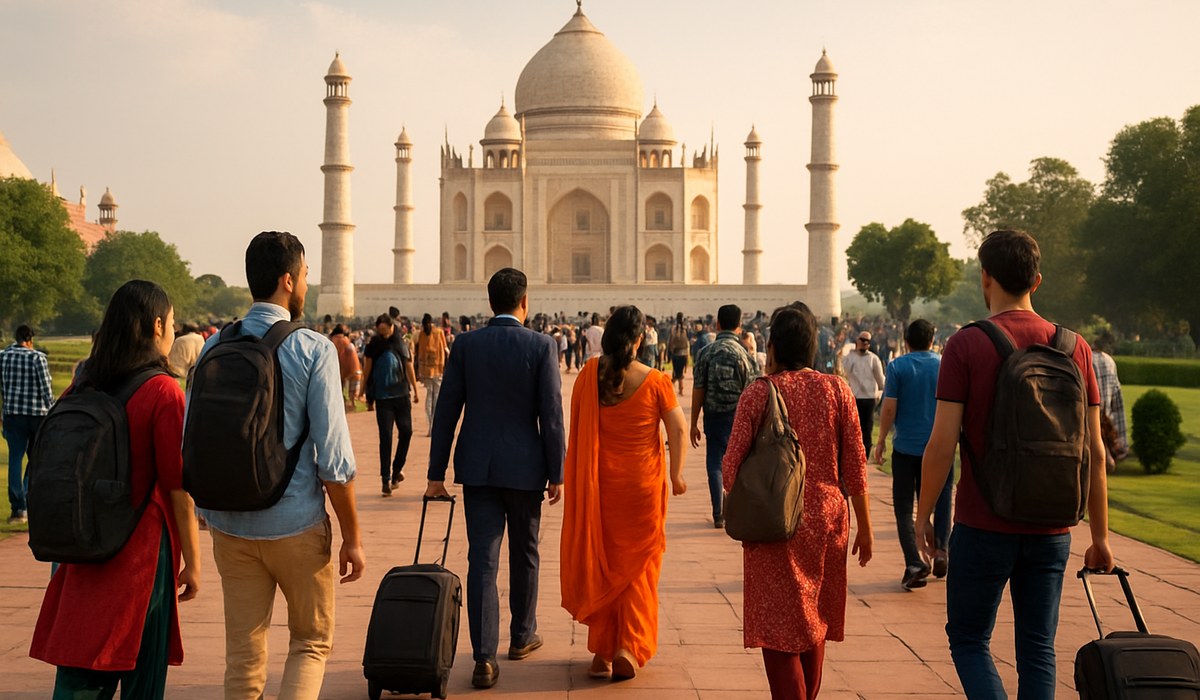
Image generated by AI
India's Travel Sector Poised for Explosive Growth: USD 132 Billion Market by 2032
India's travel and tourism industry is set to experience unprecedented expansion over the next six years, with market valuations projected to reach USD 132 billion by 2032. This significant forecast, unveiled by leading travel associations and industry analysts during March 2026, reflects the mounting appetite for both leisure getaways and corporate travel across the nation's increasingly affluent population.
The projection signals a transformative period for India's tourism ecosystem, driven by rising disposable incomes, improved connectivity, and a cultural shift toward experiential travel among Indian consumers. The announcement comes as the sector recovers and expands beyond pre-pandemic levels, with travel organizations highlighting unprecedented booking momentum across domestic and international routes.
What Fuels India's Travel Boom: Key Growth Drivers
Rising Middle-Class Affluence and Leisure Spending
India's expanding middle class—estimated at over 250 million individuals—continues to allocate greater budgets toward travel experiences. The surge in discretionary spending directly correlates with India's steady economic growth rate, which exceeded 6% in 2025 and remains robust in early 2026. This demographic shift has made leisure travel increasingly mainstream rather than aspirational.
Younger travelers, particularly Gen Z and millennials earning professional salaries, are driving demand for adventure tourism, cultural heritage tours, and international destinations. Hotels, airlines, and tour operators report that booking windows have compressed, with travelers planning trips just weeks in advance—a sign of confidence in personal finances and travel accessibility.
Business Travel Resurgence and Corporate Expansion
Corporate travel has rebounded strongly as Indian companies expand regional operations and increase attendance at international conferences and trade missions. Multinational firms headquartered in India's tech hubs—Bangalore, Hyderabad, and Pune—are sending employees to global markets at higher rates. Simultaneously, foreign business delegations visiting India for investment discussions and partnerships have surged.
This B2B travel segment represents a critical revenue stream for premium hotels, business lounges, and corporate travel management companies. The average spend per business traveler exceeds leisure travelers by 40%, making this segment particularly valuable to the overall market expansion.
Infrastructure Enhancement and Connectivity
India's government has prioritized aviation and rail infrastructure, with new airport terminals opening in tier-2 and tier-3 cities. The expansion of low-cost carriers and increased frequency on regional routes have democratized air travel, allowing smaller cities to access tourism markets previously dominated by Delhi, Mumbai, and Bangalore hubs.
High-speed rail projects, improved highway networks, and enhanced port facilities for cruise tourism are further reducing travel friction and encouraging multiday, multi-destination itineraries that increase overall spending.
Market Projections and Financial Forecast
| Metric | 2026 Baseline | 2029 Projection | 2032 Target |
|---|---|---|---|
| Market Size (USD Billions) | $98–102B | $115–120B | $132B |
| Year-over-Year Growth Rate | 7–8% | 6–7% | 5–6% |
| Domestic Travel Share | 72% | 68% | 65% |
| International Inbound Tourism | 28% | 32% | 35% |
| Business Travel Segment | 18% | 20% | 23% |
| Leisure Travel Segment | 82% | 80% | 77% |
| Average Spend per Traveler (USD) | $485 | $520 | $580 |
The forecasted growth trajectory assumes sustained economic expansion, continued infrastructure investment, and stable geopolitical conditions. Industry analysts note that actual figures could exceed projections if emerging markets like Tier-2 cities accelerate adoption rates or if India successfully positions itself as a regional hub for SAARC tourism.
What This Means for Travelers in 2026 and Beyond
Increased Competition Driving Better Value
As airlines, hotels, and tour operators vie for market share in an expanding industry, travelers can expect enhanced pricing competition, promotional offers, and loyalty program improvements. Airlines are expanding seat capacity and adding routes to secondary destinations, which could translate to lower airfares and greater convenience.
Enhanced Travel Services and Experiences
Investment in the travel sector will drive improvements across hospitality infrastructure. Boutique hotels, luxury resorts, and experiential tourism operators are expanding capacity. Digital platforms are becoming more sophisticated, offering personalized recommendations, real-time booking, and seamless multi-provider itinerrary management.
Peak Season Crowding and Planning Necessity
As more Indians engage in travel, popular destinations during peak seasons (October–March) will experience increased congestion. Travelers should plan bookings further in advance and consider traveling during shoulder seasons for better availability and pricing.
Opportunities for Niche and Offbeat Destinations
While major tourist destinations will see visitor increases, government initiatives to promote lesser-known regions present opportunities for adventurous travelers to explore emerging destinations with authentic experiences and fewer crowds.
Industry Association Perspective on 2032 Forecasts
Travel associations across India—including the Indian Association of Tour Operators (IATO), Federation of Hospitality Association of India (FAH), and regional chambers—have endorsed the USD 132 billion forecast based on multiple methodologies. These organizations cite historical growth patterns, consumer behavior surveys, and economic projections as foundation points.
Association representatives emphasize that achieving this target requires sustained investment in tourism infrastructure, workforce development, and destination marketing. They've called for government policies that streamline visa processes for international visitors while protecting cultural and environmental assets.
Challenges and Risk Factors to Monitor
Despite positive projections, the sector faces headwinds. Global economic uncertainty, potential currency fluctuations affecting international travel, climate change impacts on destinations, and geopolitical tensions could moderate growth rates. Additionally, overtourism at popular sites may necessitate visitor management strategies that redistribute travelers to emerging destinations.
The labor market for hospitality professionals remains tight, with training and retention costs rising. This could impact service quality if staffing challenges persist through 2032.
Frequently Asked Questions
Q: How does India's 2032 travel market projection compare to other Asian nations? A: India's projected growth rate (5–8% annually) is competitive within Asia. However, Southeast Asian markets and Japan face different baseline dynamics. India's younger demographic and emerging middle class provide growth potential comparable to Vietnam and Indonesia.
Q: Will international tourism increase significantly by 2032? A: Yes. The forecast assumes international visitor arrivals will grow 8–10% annually, reaching 15–20 million annual visitors. Improved visa accessibility and destination marketing support this projection.
Q: What role does sustainable tourism play in these projections? A: Industry leaders increasingly incorporate eco-tourism and responsible travel into expansion plans. While sustainability initiatives may marginally slow growth, they enhance destination longevity and justify premium pricing.
Q: How will digital technology impact travel booking patterns by 2032? A: AI-driven personalization, mobile-first booking platforms, and virtual reality destination previews will reshape how Indians plan and book travel. These innovations may accelerate bookings and increase overall market value beyond baseline projections.
Final Outlook for Indian Travelers
India's travel market expansion to USD 132 billion by 2032 represents more than financial growth—it reflects a fundamental societal shift toward valuing experiences, exploration, and cultural engagement. For travelers, this expansion promises improved infrastructure, competitive pricing, and increasingly sophisticated travel services. The coming six years will witness India's transformation from a destination market to a global travel powerhouse, benefiting both domestic explorers and international visitors seeking authentic Indian experiences.
Disclaimer
This article is for informational and educational purposes only. It does not constitute legal, financial, or professional advice. While we strive to provide accurate and up-to-date information, travel policies, regulations, and conditions change rapidly. Always verify information with official sources before making travel decisions. Nomad Lawyer makes no representations about the accuracy, reliability, completeness, or suitability of the information provided. Readers should consult qualified professionals for advice specific to their circumstances. The views expressed in this article are those of the author and do not necessarily reflect the views of Nomad Lawyer.
Raushan Kumar
Founder & Lead Developer
Full-stack developer with 11+ years of experience and a passionate traveller. Raushan built Nomad Lawyer from the ground up with a vision to create the best travel and law experience on the web.
Learn more about our team →