
India's Travel Sector: USD 132B Market Forecast by 2032
India's travel market is projected to reach USD 132 billion by 2032, driven by surging leisure and business travel demand. New industry analysis reveals how economic expansion fuels booking growth across the nation in 2026.

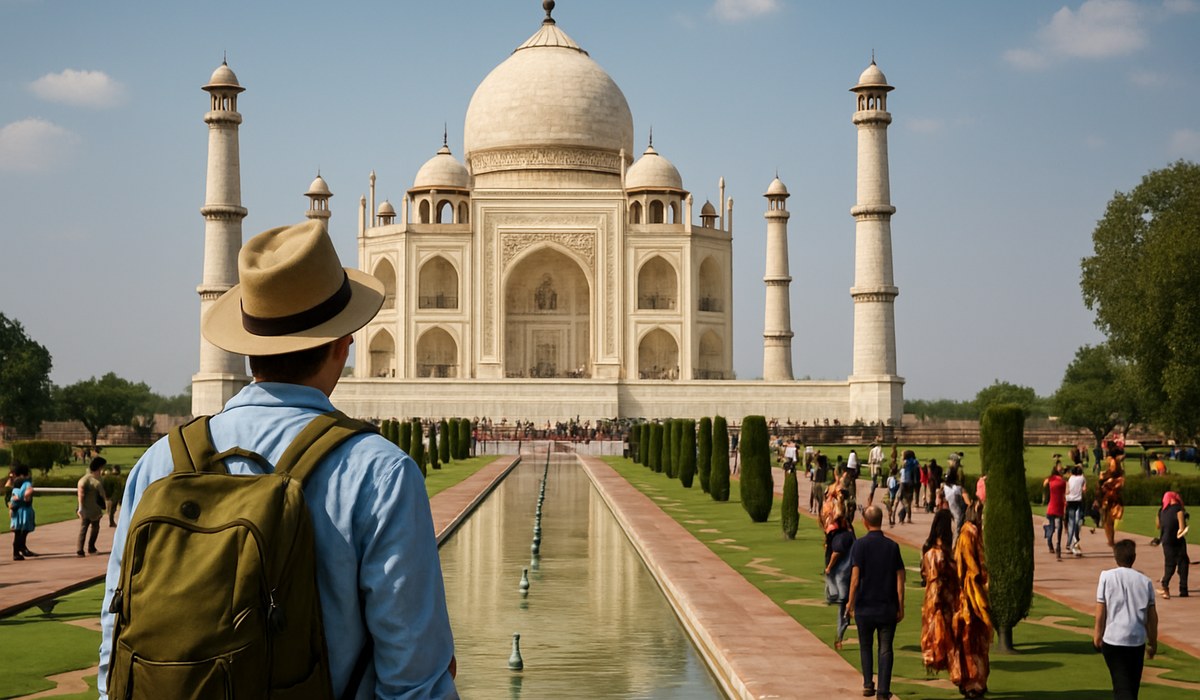
Image generated by AI
India's Travel Market Set to Reach USD 132 Billion by 2032, Analysts Confirm
India's tourism and travel sector is experiencing unprecedented momentum, with industry forecasts predicting the market will expand to USD 132 billion by 2032. A comprehensive analysis released this week reveals how sustained economic growth, rising disposable incomes, and evolving travel preferences are reshaping booking patterns across both leisure and business segments.
The projection represents a significant acceleration from current 2026 market valuations, signaling robust expansion opportunities for travel operators, hospitality providers, and tourism infrastructure developers nationwide.
Key Market Drivers Behind the Growth Surge
Economic Expansion Fuels Travel Accessibility
India's sustained GDP growth has directly increased consumer spending power, particularly among middle-class travelers. As household incomes rise across metropolitan and tier-2 cities, more Indians are allocating budget toward domestic and international travel experiences. This economic tailwind is expected to persist through 2032, creating a compounding effect on travel demand.
Leisure Travel Demand Reaches New Heights
The post-pandemic era has permanently shifted travel priorities. Indian travelers increasingly prioritize experiential vacations, weekend getaways, and adventure tourism. Beach destinations, heritage sites, and mountain retreats are seeing sustained booking increases. Industry data indicates leisure bookings now represent approximately 65-70% of India's total travel market volume.
Business Travel Rebounds and Expands
Corporate travel has rebounded beyond pre-pandemic levels as multinational companies expand operations in India. Conference tourism, corporate retreats, and B2B networking events have catalyzed bookings for premium accommodations and business-class flights. This segment is anticipated to grow at 8-12% annually through the projection period.
Digital Transformation Accelerates Bookings
Online travel agencies, mobile apps, and AI-powered recommendations have democratized travel planning. Digital penetration in India's travel sector reached 58% in 2025 and continues accelerating. This technological shift enables seamless booking experiences and supports higher transaction volumes.
Market Projections and Growth Timeline
| Year | Projected Market Value (USD Billions) | Year-over-Year Growth Rate | Primary Driver |
|---|---|---|---|
| 2026 | 72.4 | 14.2% | Economic recovery + leisure demand |
| 2028 | 87.9 | 11.8% | Business travel expansion |
| 2030 | 108.2 | 10.5% | International tourism inflow |
| 2032 | 132.0 | 9.7% | Infrastructure maturation |
Market Segmentation Insights
Domestic Travel Dominates Current Landscape
Domestic leisure and business travel comprises approximately 72% of India's current travel market. Cities like Delhi, Mumbai, Bangalore, and Hyderabad serve as primary origin markets, while destinations including Goa, Kerala, Rajasthan, and the Himalayan regions attract consistent visitor flows.
International Outbound Travel Accelerates
Indian travelers' appetite for overseas destinations has intensified significantly. Southeast Asia, Europe, and the Middle East rank as top destinations for Indian outbound tourists. Airlines and travel agencies report 18-22% year-over-year growth in international booking inquiries.
Premium and Luxury Segments Show Strong Traction
High-net-worth individuals increasingly seek curated experiences, private jet charters, and exclusive resort packages. The luxury travel segment is projected to grow at 15-18% annually, outpacing overall market expansion rates.
What This Means for Travelers in 2026
Increased Competition = Better Value Propositions
As the market expands, travel providers will intensify competition for customer attention. Expect enhanced loyalty programs, dynamic pricing models, and bundled packages that offer better value for budget-conscious and premium travelers alike.
Infrastructure Development Accelerates
Investment in airport capacity, railway modernization, and hospitality infrastructure will improve travel accessibility. New flight routes, enhanced connectivity to tier-2 cities, and improved accommodation options will make travel more convenient and affordable.
Personalization Becomes Standard Practice
Travel companies are investing heavily in artificial intelligence and data analytics to deliver personalized recommendations. Travelers can anticipate customized itineraries, targeted deals based on preferences, and seamless multi-segment booking experiences.
Sustainability Initiatives Gain Prominence
Environmental consciousness is reshaping travel choices. Expect expanded eco-tourism options, carbon-neutral flight initiatives, and sustainable hospitality practices as operators respond to growing demand for responsible travel.
Mobile-First Booking Becomes Essential
With digital penetration accelerating, mobile apps will dominate the booking ecosystem. Travelers should anticipate seamless mobile experiences, instant confirmations, and real-time travel updates as standard features.
Industry Responses and Strategic Positioning
Hotel chains are expanding portfolios across multiple price points to capture growing middle-class and premium segments simultaneously. Airlines are increasing domestic and international capacity to accommodate projected demand surges. Travel aggregators and OTAs are enhancing AI-driven recommendation engines to match travelers with ideal experiences.
Tourism boards across states are implementing destination marketing campaigns to capture a larger share of the expanding travel market. Infrastructure investments in roads, airports, and railways are accelerating to support projected growth.
Economic Implications for India's Growth Story
The travel sector's anticipated expansion contributes meaningfully to India's broader economic objectives. Tourism generates employment across hospitality, transportation, retail, and service sectors. The USD 132 billion market projection suggests potential job creation exceeding 2.5 million positions across the value chain.
Foreign exchange earnings from international tourism represent a critical component of India's balance of payments. As outbound travel grows, domestic travel stimulus effects, and inbound tourism expands, the sector will increasingly support macroeconomic objectives.
Regional Growth Variations to Monitor
Metropolitan Hub Dominance
Delhi, Mumbai, Bangalore, and Hyderabad will continue driving travel volumes due to concentrated business activity and population density. However, tier-2 cities including Pune, Jaipur, and Ahmedabad are emerging as significant growth engines.
Destination-Specific Opportunities
Beach destinations (Goa, Kerala), mountain retreats (Himachal Pradesh, Uttarakhand), and heritage sites (Rajasthan, Agra) will capture disproportionate visitor growth. Adventure tourism hubs are particularly well-positioned for sustained expansion.
Frequently Asked Questions
Q: How reliable are these USD 132 billion projections? A: Industry forecasts incorporate historical growth trends, current economic indicators, and demographic analysis. While projections carry inherent uncertainty, the consensus among major travel associations and research firms supports this valuation range.
Q: Will this growth benefit budget travelers or primarily luxury segments? A: Growth will span all segments. Increased competition and infrastructure development will create value opportunities across price points, though premium segments may expand faster initially.
Q: How will this growth impact booking prices? A: Increased competition may pressure prices downward in commodity segments (flights, standard hotels) while premium and niche offerings may command higher premiums.
Q: What role will international tourists play in this growth? A: While domestic travel dominates volume, international inbound tourism and Indian outbound travel will grow faster, with higher per-capita spending impact.
This analysis is based on industry forecasts and economic projections current as of March 2026. Travelers and travel industry professionals should monitor updated reports as 2026 progresses to refine investment and planning decisions.
Disclaimer
This article is for informational and educational purposes only. It does not constitute legal, financial, or professional advice. While we strive to provide accurate and up-to-date information, travel policies, regulations, and conditions change rapidly. Always verify information with official sources before making travel decisions. Nomad Lawyer makes no representations about the accuracy, reliability, completeness, or suitability of the information provided. Readers should consult qualified professionals for advice specific to their circumstances. The views expressed in this article are those of the author and do not necessarily reflect the views of Nomad Lawyer.
Raushan Kumar
Founder & Lead Developer
Full-stack developer with 11+ years of experience and a passionate traveller. Raushan built Nomad Lawyer from the ground up with a vision to create the best travel and law experience on the web.
Learn more about our team →