
Transavia Deploys A321neo on Amsterdam to Antalya Route
Transavia is aggressively expanding capacity on its Amsterdam to Antalya route by deploying the highly efficient Airbus A321neo to meet surging leisure demand.

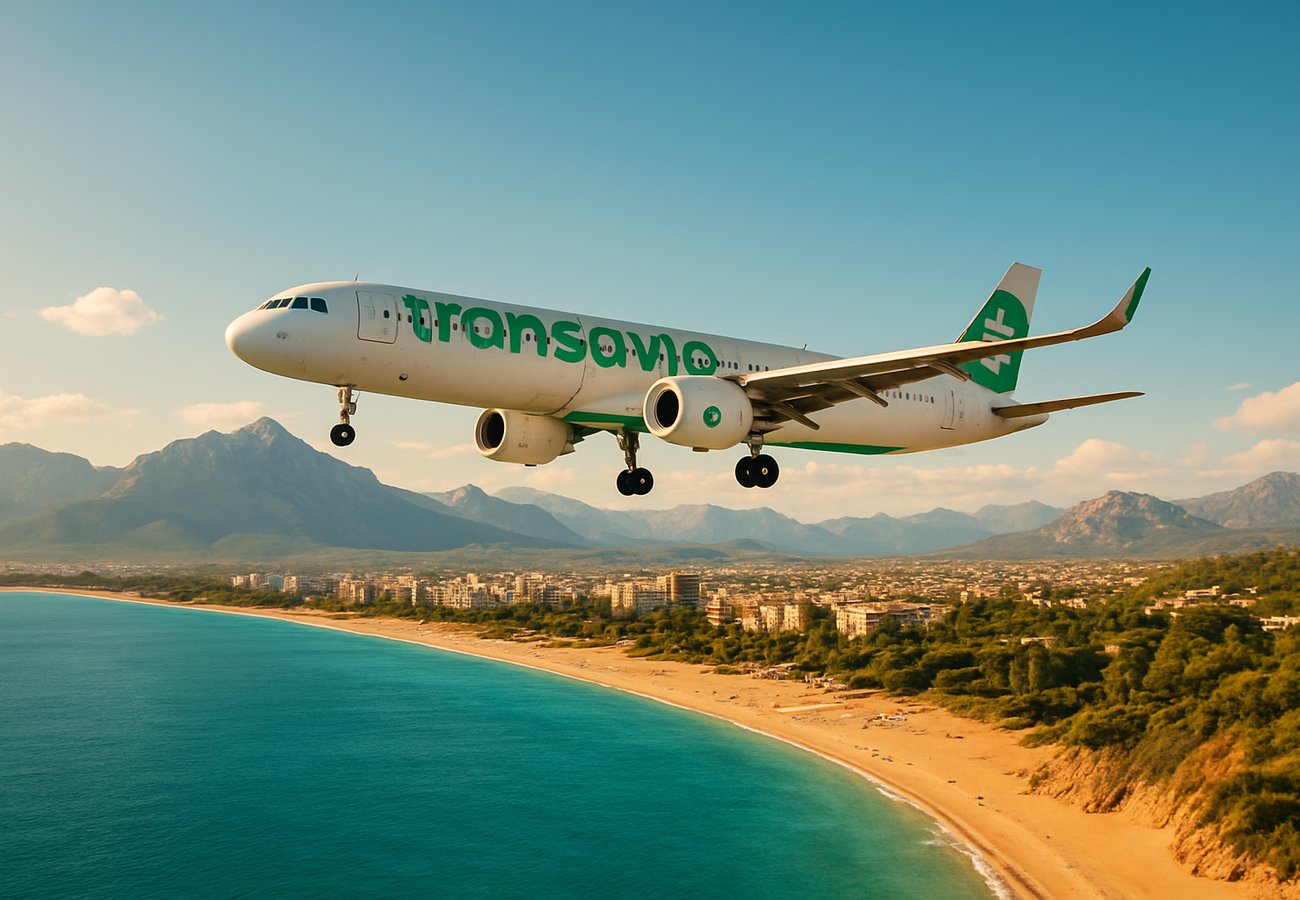
Image generated by AI
Breaking: Transavia Dominates Europe Leisure Aviation Demand by Deploying High-Density A321neo on Amsterdam to Antalya Route
By radically increasing passenger capacity and drastically cutting fuel costs, Transavia’s strategic deployment of the Airbus A321neo is cementing the Amsterdam–Antalya corridor as a massive powerhouse in European leisure travel.
A massive strategic shift in the European low-cost aviation market is currently unfolding as Transavia officially accelerates the deployment of its highly efficient Airbus A321neo aircraft on the heavily trafficked route between Amsterdam Airport Schiphol and Antalya Airport. This aggressive operational expansion is meticulously designed to capture the rapidly surging leisure travel demand from Dutch vacationers seeking affordable, sun-drenched Mediterranean escapes along Turkey's famed coastline.
By fundamentally transforming its fleet economics, Transavia is simultaneously driving up route capacity and severely cutting operational costs. This highly calculated move is sending immediate shockwaves through the competitive European travel sector, proving that integrating state-of-the-art narrowbody jets is the absolute key to dominating high-volume tourism routes. The aggressive upgrade of the Amsterdam to Antalya corridor ensures that Transavia remains the undeniable leader in connecting northern Europe with premium Mediterranean destinations.
EXPANDED OVERVIEW: The Rise of Antalya Tourism
The Transavia Amsterdam–Antalya route stands as a deeply critical aviation corridor, forming a massive logistical bridge between the Netherlands and Turkey’s booming Mediterranean coast. Over recent years, demand on this specific corridor has exploded. According to strict data from the UN World Tourism Organization, Turkey continues to rank consistently among the absolute top global destinations, with Antalya acting as the primary anchor for this immense economic growth.
Antalya has rapidly established itself as one of Europe’s most intensely sought-after holiday destinations, fiercely driven by its unique combination of affordability, perfect seasonal climate, and world-class luxury resort infrastructure. For Dutch tourists specifically, Antalya provides an incredibly cost-effective, high-value alternative to traditionally saturated, expensive Mediterranean destinations such as Spain or Greece. This unrelenting, consistent demand is exactly what is forcing airlines like Transavia to massively expand daily capacity and increase flight frequencies.
SECTION-WISE BREAKDOWN: Hubs of Operation
Amsterdam Airport Schiphol (AMS)
Acting as the primary outbound launchpad for this leisure corridor, Amsterdam Airport Schiphol is a massive staging ground for Dutch outbound tourism. By utilizing the advanced Airbus A321neo out of Amsterdam, Transavia effortlessly funnels massive volumes of high-spending European travelers onto direct, nonstop flights. This efficient routing completely bypasses the need for complex layovers, streamlining the outbound process during intense peak summer travel periods.
Antalya Airport (AYT)
On the receiving end of the 2,600-kilometer journey, Antalya Airport serves as the premier entry point to Turkey’s Riviera. The airport is actively experiencing a massive operational surge as high-density European flights land daily. The direct influx of Dutch tourists directly fuels local hospitality economies, ensuring that Antalya remains heavily fortified as a tier-one global tourism hub capable of handling massive seasonal surges.
FLIGHT DETAILS AND ROUTE SNAPSHOT
The aggressive integration of the Airbus A321neo is the undeniable centerpiece of this route's extreme commercial viability. The aircraft perfectly balances massive seating capacity with unprecedented fuel efficiency.
Route Operational Data
| Route Metric | Factual Data |
|---|---|
| Operating Airline | Transavia (Air France-KLM Group) |
| Origin Hub | Amsterdam Airport Schiphol (AMS) |
| Destination Hub | Antalya Airport (AYT) |
| Aircraft Deployed | Airbus A321neo |
| Flight Distance | Approx. 2,600 Kilometers |
| Flight Duration | Approx. 5 Hours |
| Seating Capacity | 230+ Passengers (Single-Class Layout) |
| Fuel Efficiency | ~20% Lower Fuel Burn (vs. Older Models) |
PASSENGER IMPACT: High Density, Maximum Comfort
For the modern European traveler, the deployment of the A321neo drastically improves the five-hour medium-haul flight experience. The aircraft is heavily equipped with modernized cabin features, including vastly quieter engines and advanced interior acoustics. Despite the high-density single-class layout designed to exceed 230 passengers, the superior cabin width and advanced seating ergonomics of the A321neo ensure that Dutch vacationers begin their holiday with elevated comfort.
More importantly, the extreme cost-efficiency of the aircraft directly benefits the passenger's wallet. Because Transavia can aggressively reduce the exact cost-per-seat on every single flight, the airline is able to maintain highly competitive ticket pricing even during the absolute peak of summer demand, making luxury Turkish vacations highly accessible.
INDUSTRY ANALYSIS: Transavia's Fleet Transformation
From a broader aviation industry perspective, the Amsterdam–Antalya A321neo operation is a massive masterclass in strategic fleet modernization. Operating under the massive Air France–KLM Group umbrella, Transavia is currently executing a highly aggressive, multi-year transition away from older, less efficient Boeing aircraft to the vastly superior Airbus A320neo family.
This strategic shift allows the low-cost carrier to aggressively slash carbon emissions and lower operating costs while remaining intensely competitive in a notoriously crowded European aviation market. The AMS-AYT route exemplifies exactly how Transavia expertly leverages high-demand leisure destinations to absolutely maximize aircraft utilization. This route proves that massive capacity and deep fuel efficiency are the two mandatory pillars required to survive and dominate the modern low-cost sector.
CONCLUSION: Defining Modern Aviation Efficiency
The Transavia Amsterdam–Antalya A321neo route is expanding massively because surging demand and fierce cost management now absolutely dictate modern aviation. By aggressively deploying larger, vastly more efficient aircraft, Transavia is successfully maximizing sheer capacity while drastically reducing per-seat operational costs. Driven by the unrelenting popularity of Turkey’s Mediterranean coast and anchored by Transavia’s bold fleet transformation strategy, this route is supporting immense tourism growth. Ultimately, this specific corridor serves as the absolute benchmark for how European airlines must adapt, scale, and respond directly to explosive leisure travel demand.
KEY TAKEAWAYS
- Strategic Deployment: Transavia is aggressively utilizing the highly efficient Airbus A321neo on the Amsterdam to Antalya route.
- Massive Capacity: The aircraft's high-density configuration seats over 230 passengers in a single-class layout.
- Extreme Efficiency: The A321neo provides a massive 20% reduction in fuel burn compared to older aircraft models.
- Tourism Boom: The 2,600-kilometer route is heavily driven by Dutch tourists seeking affordable, high-quality Mediterranean vacations.
- Fleet Transition: The route heavily highlights Transavia's aggressive corporate shift from older Boeing jets to the advanced Airbus A320neo family.
Disclaimer
This article is for informational and educational purposes only. It does not constitute legal, financial, or professional advice. While we strive to provide accurate and up-to-date information, travel policies, regulations, and conditions change rapidly. Always verify information with official sources before making travel decisions. Nomad Lawyer makes no representations about the accuracy, reliability, completeness, or suitability of the information provided. Readers should consult qualified professionals for advice specific to their circumstances. The views expressed in this article are those of the author and do not necessarily reflect the views of Nomad Lawyer.
Kunal K Choudhary
Co-Founder & Contributor
A passionate traveller and tech enthusiast. Kunal contributes to the vision and growth of Nomad Lawyer, bringing fresh perspectives and driving the community forward.
Learn more about our team →