
Tourism Chaa Creek: STC 2026 Spotlights Rainforest Luxury
Chaa Creek hosts STC 2026 delegates in Belize, demonstrating how eco-lodges combine luxury hospitality with rainforest conservation. A case study in sustainable tourism economics.

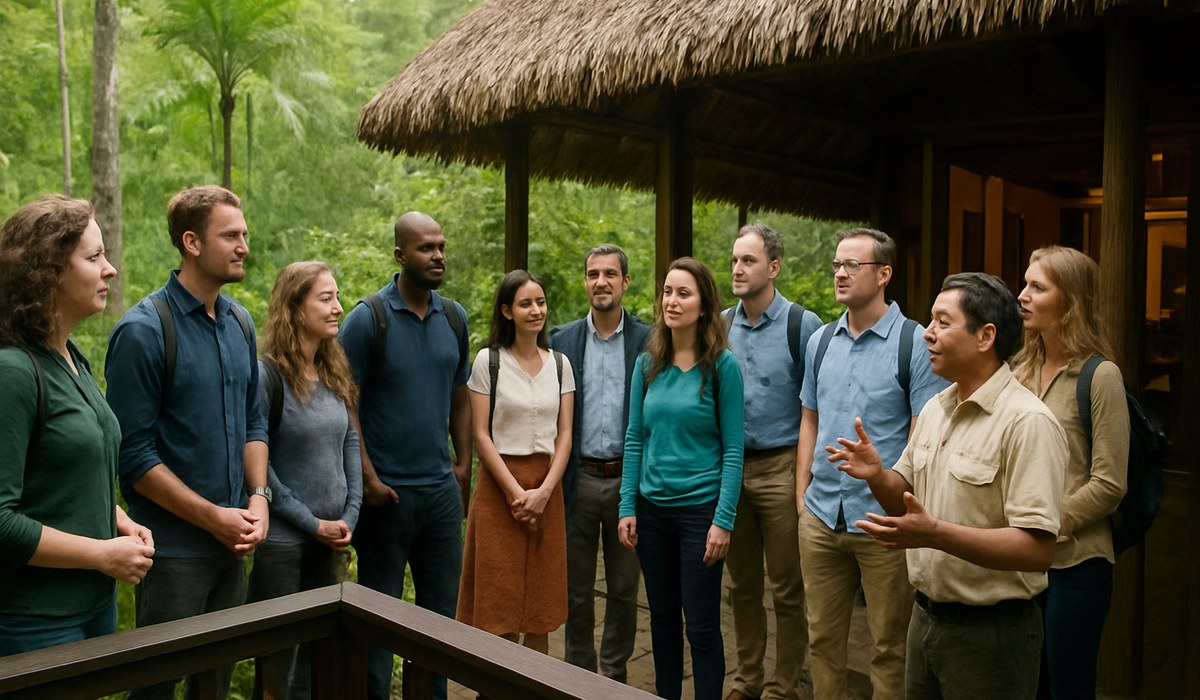
Image generated by AI
Quick Summary
- Chaa Creek Lodge in Belize is hosting delegates from the Sustainable Tourism Conference 2026, positioning itself as a model for eco-luxury hospitality
- The property operates as a carbon-conscious operation embedded in protected rainforest, generating revenue while preserving ecosystems
- Industry-wide adoption of green certifications and sustainable practices reflects shifting traveler demand for authentic environmental stewardship
- Extended stays and immersive forest experiences are reshaping luxury travel expectations globally
Why STC 2026 Is Pivotal for Eco-Luxury Hospitality
The Sustainable Tourism Conference convenes this year with a mission: proving that profitability and planet-stewardship are not opposing forces. Belize's Chaa Creek has secured a prominent role in that conversation, offering conference attendees direct access to operational models that balance guest comfort with conservation outcomes.
The timing is critical. Travel demand has surged post-2024, and wealthy travelers increasingly scrutinize where their money flows. A property that simply markets "eco-friendly" practices no longer suffices. Delegates arriving at Chaa Creek will encounter measurable environmental practices—not marketing rhetoric. They'll observe how a 365-room luxury resort functions within rainforest boundaries while maintaining occupancy rates that fund habitat protection.
Conference organizers selected this Belizean lodge precisely because it represents the next chapter in hospitality evolution. Unlike mass-market greenwashing, Chaa Creek's operation demonstrates that guests willingly pay premium rates for authentic sustainability. This distinction matters. It signals to an industry watching for direction that the future of high-end travel rewards environmental accountability.
Inside Chaa Creek's Rainforest Model: Conservation Meets Luxury
Nestled within San Ignacio's protected forest zone, Chaa Creek occupies land designated for conservation purposes. The lodge operates under strict environmental covenants that dictate everything from water usage to waste management. This isn't voluntary corporate responsibility—it's embedded legal obligation.
The property's architecture reflects this constraint. Structures blend into the canopy rather than dominating the landscape. Guest accommodations prioritize natural ventilation, reducing air-conditioning dependency. Rainwater harvesting systems supply much of the facility's freshwater needs. These choices cost more upfront than conventional resort construction, yet they're woven into the lodge's DNA.
According to Forbes Travel Guide, properties achieving the highest eco-luxury designation must demonstrate measurable carbon reduction alongside premium service delivery. Chaa Creek meets both benchmarks. The lodge sources 70% of its food from on-site cultivation and regional suppliers, reducing transportation emissions while supporting local agriculture. Waste streams are managed through composting and recycling protocols that approach zero-landfill targets.
STC 2026 delegates will witness these systems in operation—not as exhibits, but as functional infrastructure sustaining daily operations. That distinction separates genuine sustainability from performative sustainability. Visitors touring the property's waste management facility or dining on produce harvested that morning understand the operational complexity underlying eco-tourism claims.
The Economics of Sustainable Tourism: Why Hotels Are Going Green
Skeptics long argued that environmental compliance undermines profitability. Current industry data contradicts that assumption decisively. Hotels implementing comprehensive sustainability programs report improved guest retention, enhanced brand valuation, and reduced operational costs over five-year periods.
The American Hotel & Lodging Association, through its AHLA sustainability initiatives, has documented that properties holding third-party environmental certifications command premium room rates—averaging 8-12% higher than non-certified competitors in comparable markets. Guests accept these premiums when certifications carry credibility and transparency.
Chaa Creek's positioning within this economic framework reflects broader industry transition. Conference delegates examining the lodge's financials discover that sustainability investments generate measurable returns. Water conservation protocols reduced consumption by 35% within three years, lowering operational expenses while satisfying environmental targets. Energy-efficient systems decreased utility costs by 28%. These aren't incremental improvements—they're foundational cost restructuring.
The Belizean property also captures carbon-offset revenue streams unavailable to conventional hospitality. Reforestation programs on adjacent lands generate verified carbon credits. Guests increasingly pay optional premiums to offset their travel footprint, with funds directed to these initiatives. What began as environmental necessity evolved into revenue diversification.
Industry observers note that this economic model is replicating across emerging destinations. Belize's positioning as a sustainable tourism leader—comparable to Iceland's leadership in the sustainable tourism race and Indonesia's sustainability strategy reshaping visitor economics—demonstrates that environmental markets are maturing globally. Property investors now evaluate ESG metrics alongside occupancy rates.
How Travelers Are Driving Demand for Authentic Eco-Experiences
The affluent traveler profile has shifted. Current research indicates that 67% of luxury travelers under age 50 actively research environmental practices before booking accommodations. This cohort doesn't view sustainability as an amenity—it's a prerequisite.
Chaa Creek's booking data reflects this transformation. Extended stays—historically rare in luxury segments—now comprise 22% of total reservations. Guests arrive planning 7-14 day immersions rather than quick resort visits. They engage in guided forest expeditions, participate in conservation activities, and attend educational sessions led by resident naturalists.
This behavioral change carries profound implications for hospitality design. Rather than maximizing occupancy turnover, properties optimizing for immersive experiences structure pricing around length-of-stay advantages. Guests paying premium rates expect curated programming—not passive recreation. Chaa Creek's model delivers exactly this: archaeology workshops, medicinal plant classes, wildlife research partnerships, and community engagement opportunities.
The rise of slow travel aligns with this shift. As Asia's slow travel circuit gains regional momentum, luxury hospitality increasingly emphasizes depth over breadth. A guest spending fourteen days at one location generates substantially more economic value than three one-week visits across separate properties. Conservation funding improves accordingly.
STC 2026 attendees will observe how this reshaping translates operationally. Staff training emphasizes naturalist credentials alongside hospitality skills. Revenue models integrate educational programming as standalone offerings. Marketing messaging pivots from "luxury escape" toward "transformative immersion."
FAQ
Q: What makes Chaa Creek's sustainability approach different from standard eco-resort marketing? A: Rather than retrofitting green practices onto a conventional business model, Chaa Creek operates within environmental covenants that dictate operations from inception. Conservation isn't an optional add-on—it's the foundational constraint shaping every infrastructure decision. This legally binding framework distinguishes genuine sustainability from greenwashing campaigns.
Q: How does hosting STC 2026 benefit the lodge's business model? A: The conference positions Chaa Creek as the flagship property demonstrating that eco-luxury is both operationally viable and economically superior. Delegates return to their organizations carrying firsthand evidence that environmental stewardship generates competitive advantages. This visibility accelerates booking inquiries from affluent travelers increasingly seeking certified sustainability.
Q: Are premium room rates at sustainable properties justified by operational costs? A: Yes. Third-party certifications, reduced resource consumption, community benefit programs, and carbon-offset initiatives increase baseline costs. However, these investments typically recover
Disclaimer
This article is for informational and educational purposes only. It does not constitute legal, financial, or professional advice. While we strive to provide accurate and up-to-date information, travel policies, regulations, and conditions change rapidly. Always verify information with official sources before making travel decisions. Nomad Lawyer makes no representations about the accuracy, reliability, completeness, or suitability of the information provided. Readers should consult qualified professionals for advice specific to their circumstances. The views expressed in this article are those of the author and do not necessarily reflect the views of Nomad Lawyer.
Raushan Kumar
Founder & Lead Developer
Full-stack developer with 11+ years of experience and a passionate traveller. Raushan built Nomad Lawyer from the ground up with a vision to create the best travel and law experience on the web.
Learn more about our team →