
Tokyo Tourism Overhaul: Shinjuku Caps Short-Term Lodgings 2026

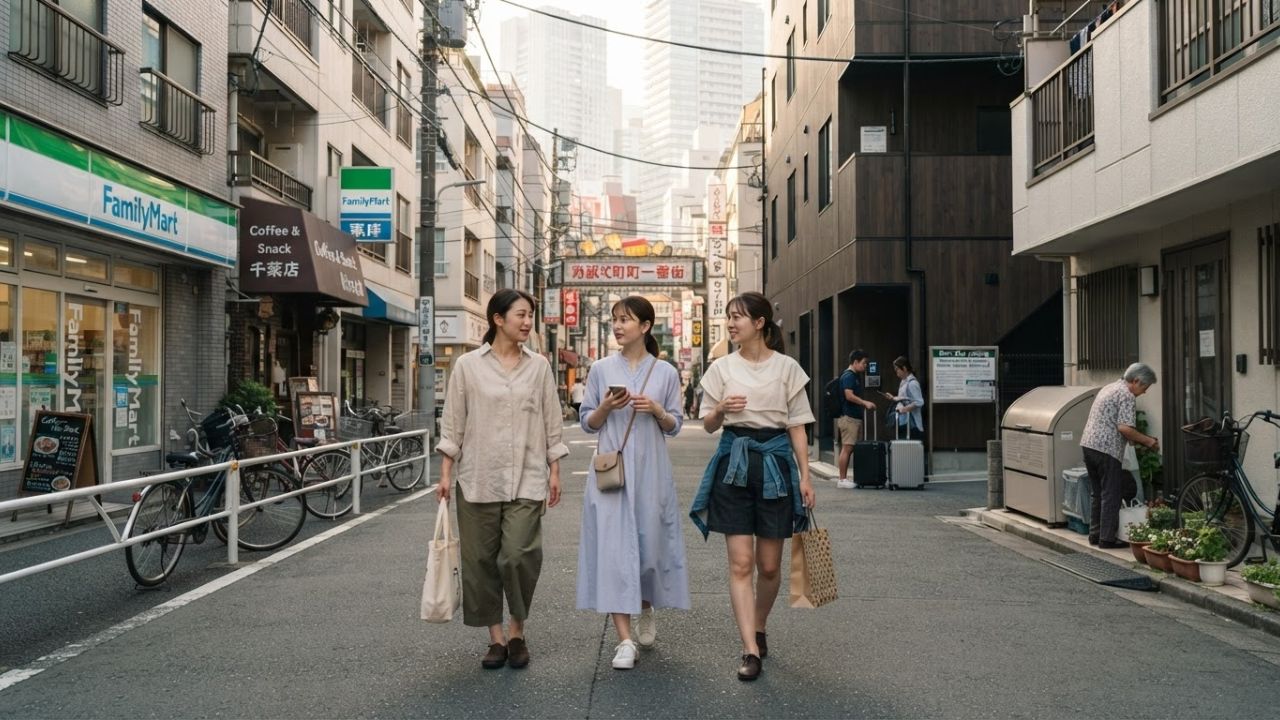
Tokyo’s premier transit and entertainment district is enacting a sweeping crackdown on private vacation rentals, as Shinjuku Ward prepares to shutter an estimated 2,000 of its 3,775 registered short-term lodging properties across residential zones and school perimeters. Spurred by a 40 percent surge in resident complaints over noise, unauthorized trash disposal, and street disruptions, the municipal initiative retroactively enforces preventative zoning prohibitions under new Japan Tourism Agency guidelines.
The explosive resurgence of international tourism across Japan has pushed municipal infrastructure in central Tokyo to a critical inflection point. While inbound traveler spending delivers substantial economic revenue, the rapid expansion of apartment-style accommodations within quiet residential enclaves has sparked severe community friction. In response, Shinjuku Ward—the district hosting the densest cluster of private lodgings in the nation—is moving to fundamentally reshape where visitors can sleep.
The Local Trend Revealed: Shinjuku Reclaims Its Residential Sanctuaries
Under Japan’s national Private Lodging Business Act (Minpaku Law), homeowners were previously permitted to rent residential dwellings to travelers for up to 180 days per calendar year. This flexible framework catalyzed an unprecedented surge in short-term listings. Data compiled by the Japan Tourism Agency revealed that 3,775 registered short-term properties were actively operating within Shinjuku Ward as of July 15.
However, the coexistence between transient international vacationers and permanent neighborhood residents reached a breaking point. Grievances submitted by local ward residents rose by approximately 40 percent during the fiscal year ending in March. Complaints centered on late-night hallway disturbances, illegal street smoking, trespassing on private residential premises, and the chronic failure of foreign visitors to navigate Japan’s intricate, multi-category garbage sorting protocols.
Empowerment via the Japan Tourism Agency
In July, the Japan Tourism Agency, alongside coordinating government ministries, released a landmark administrative notification. The directive explicitly granted local municipal governments the legal autonomy to restrict or outright prohibit private short-term rentals via localized municipal ordinances whenever lodging operations threaten peaceful living conditions, compromise educational environments, or undermine permanent community cohesion.
Armed with this national mandate, Shinjuku Ward officials have initiated formal steps to amend the district’s lodging bylaws:
- Blanket Bans in Residential and School Zones: Private vacation rentals will be strictly prohibited across all neighborhoods designated exclusively for residential use, as well as zones within immediate proximity to schools and kindergartens.
- Retroactive Enforcement: Unlike prior regulations that grandfathered existing operations, Shinjuku’s planned ordinance applies retroactively to existing businesses. Approximately 2,000 operating properties—over 52 percent of the ward’s entire private lodging inventory—will be required to cease short-term operations once statutory grace periods conclude.
- Commercial Zone Reductions: For properties operating within legally permitted commercial sectors (such as Kabukicho and peripheral commercial corridors), the ward is evaluating proposals to slash maximum allowable operating thresholds from 180 days down to 120 days annually.
- Mandatory Monitoring Tech: Surviving operators in commercial zones will face stringent compliance conditions, including the mandatory installation of certified decibel noise-monitoring devices and entrance surveillance cameras to monitor building access.
| Policy Metric | Original Minpaku Framework | 2026 Shinjuku Ward Amendment |
|---|---|---|
| Registered Properties (as of July 15) | 3,775 active listings | ~2,000 properties targeted for closure |
| Residential Zone Operation | Permitted up to 180 days/year | Total prohibition (retroactive) |
| School & Educational Zones | Permitted with basic notifications | Strict zero-tolerance ban |
| Commercial Zone Operating Cap | 180 days per calendar year | Evaluated reduction to 120 days/year |
| Compliance Infrastructure | Voluntary house rules | Mandatory noise monitors & entrance CCTV |
| Regulatory Authority | National Ministry oversight | Decentralized Municipal Ordinance (JTA July directive) |
Cultural & Environmental Value: Preserving 'Seikatsuken' and Community Harmony
For the visitor, the real impact is a clearer, more respectful delineation between Tokyo’s entertainment quarters and its residential sanctuaries, known culturally as seikatsuken (living spheres). Japanese neighborhood life relies on an unspoken social contract centered on collective mindfulness (meiwaku, or avoiding causing inconvenience to neighbors). When apartment buildings intended for salaried workers, elderly retirees, and young families become revolving doors of rolling luggage, late-night alcohol runs, and misplaced recycling bags, the delicate social balance of the neighborhood disintegrates.
By steering transient traveler density back into designated commercial and hospitality zones, Shinjuku’s policy restores everyday peace to historic neighborhoods such as Kagurazaka, Waseda, and Nishi-Shinjuku’s quieter residential lanes. It protects local waste management infrastructure from severe contamination while ensuring that schools and child-care routes remain free from high-turnover transient crowds.
This local policy shift mirrors global urban movements in New York City and Barcelona, as well as domestic initiatives in Kyoto, where authorities are similarly restricting vacation rentals to protect permanent rental housing stock from speculative commercial conversion.
Visitor Insider Tips: Navigating Tokyo Stays Under New Minpaku Rules
With private apartment choices diminishing across Shinjuku, international travelers must adapt their trip-planning strategies:
- Pivot to Licensed Boutique Hotels and Ryokans: Rather than risking cancellations on short-term rental platforms as retroactive bans take effect, book accommodations with established, licensed hospitality providers. Business hotel chains like Mitsui Garden, Richmond Hotels, and Tokyu Stay offer washer-dryer units and kitchenettes within fully legal commercial zoning.
- Master Strict Waste Sorting Etiquette: If staying in a legally permitted apartment rental, familiarize yourself with Japanese waste separation on day one. Separate burnable items (food scraps, paper) from plastic packaging, aluminum cans, and PET bottles (which must have bottle caps and labels removed before disposal). Never leave trash bags on sidewalks outside designated morning collection hours.
- Observe Neighborhood Quiet Windows: Japanese residential streets observe strict sound courtesies. Maintain near-silent volume after 9:00 PM, avoid wheeling heavy hard-shell suitcases along quiet residential side alleys late at night, and refrain from talking on speakerphones in building hallways.
- Discover Under-the-Radar Culinary Enclaves: Step away from crowded mega-stations and explore authentic local dining. Head to Shinjuku’s Omoide Yokocho (Memory Lane) for skewers of charcoal-grilled yakitori at counter-only stalls, or visit Hanazono Shrine on Sunday mornings to browse vintage ceramics and Edo-period textiles at its open-air antique fair.
- Escape the Crowds at Shinjuku Gyoen: For peaceful green escapes, enter the tranquil traditional Japanese garden and historic greenhouse inside Shinjuku Gyoen National Garden before 10:30 AM on weekday mornings, supporting national botanical conservation while dodging midday tour bus crowds.
Tourism Outlook for Shinjuku and Tokyo Hospitality
The decisive action by Shinjuku Ward marks a permanent turning point in Japan’s approach to mass tourism governance. The era of laissez-faire expansion in private residential vacation rentals is closing, replaced by targeted spatial planning that prioritizes resident welfare over unchecked listing volumes.
While budget-conscious travelers and extended-stay families will face tighter apartment inventories and higher accommodation competition in central wards, the long-term benefit is a more sustainable, high-quality urban destination. By preserving the livability of Tokyo’s authentic neighborhoods, municipal leaders ensure that the cultural integrity making Japan so attractive to global wanderers remains vibrant and intact for decades to come.
Related Travel Guides
Disclaimer
This article is for informational and educational purposes only. It does not constitute legal, financial, or professional advice. While we strive to provide accurate and up-to-date information, travel policies, regulations, and conditions change rapidly. Always verify information with official sources before making travel decisions. Nomad Lawyer makes no representations about the accuracy, reliability, completeness, or suitability of the information provided. Readers should consult qualified professionals for advice specific to their circumstances. The views expressed in this article are those of the author and do not necessarily reflect the views of Nomad Lawyer.
Raushan Kumar
Founder & Lead Developer
Full-stack developer with 11+ years of experience and a passionate traveller. Raushan built Nomad Lawyer from the ground up with a vision to create the best travel and law experience on the web.
Learn more about our team →