
Europe's Affordable Michelin Guide 2026: Top Bib Gourmand Hotels Across Five Countries
Discover how the Michelin Bib Gourmand is democratizing fine dining across Europe, offering high-quality, affordable meals integrated into luxury and boutique hotel stays in 2026.

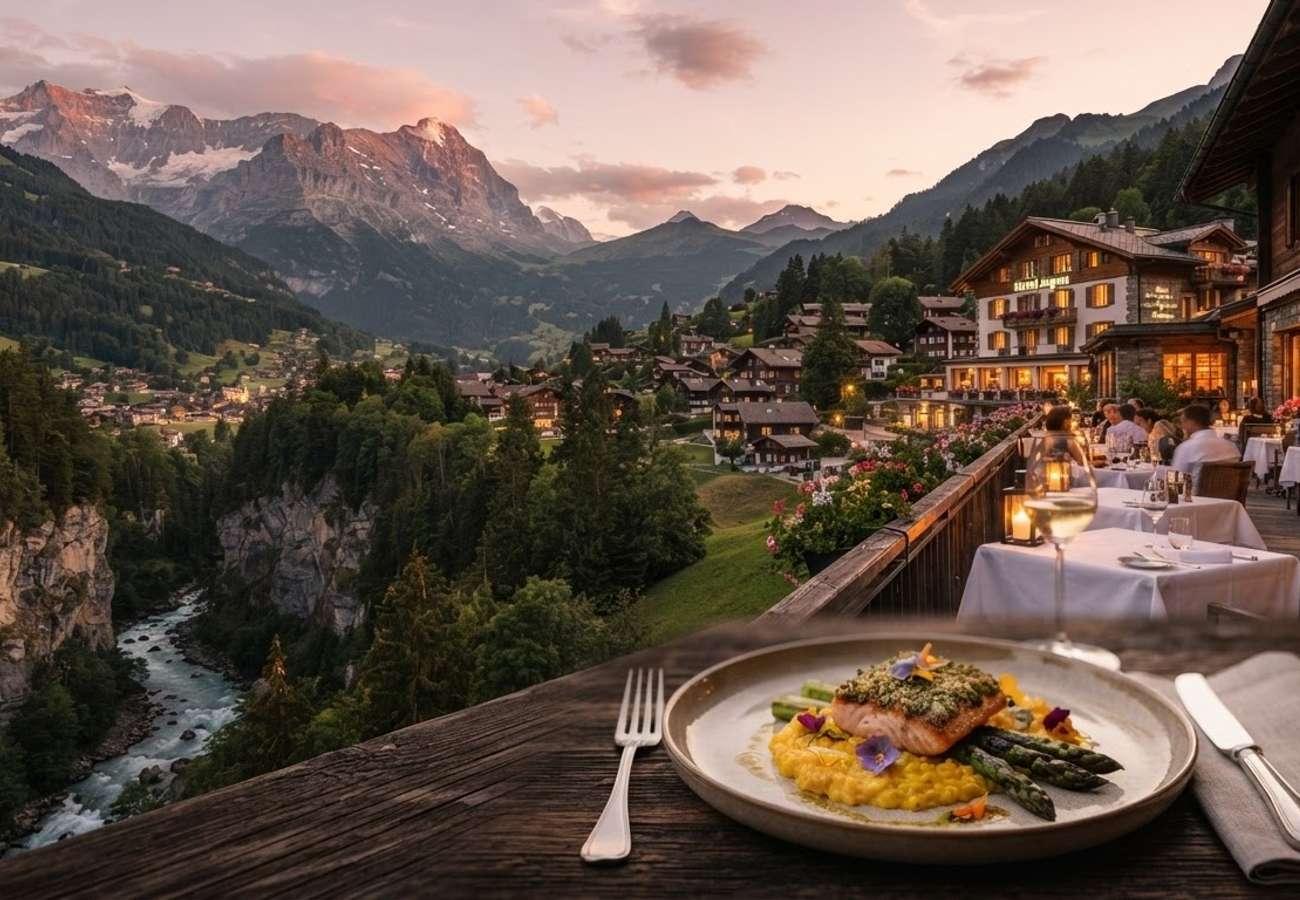
Image generated by AI
European travel is undergoing a significant shift as high-caliber gastronomy becomes accessible to a broader range of budgets through the expansion of Michelin-recognized dining within hotel properties. By 2026, the integration of Bib Gourmand restaurants into city, mountain, and remote resort hotels is allowing travelers to experience certified culinary excellence without the prohibitive costs typically associated with Michelin stars.
For the modern traveler, the appeal of these establishments lies in the removal of the "fine dining barrier." Traditionally, Michelin-rated food meant rigid dress codes, multi-hour tasting menus, and exorbitant bills. However, the Bib Gourmand distinction specifically targets "good quality, good value" cooking. This shift is fundamentally changing how tourists select their accommodations, often choosing a hotel based on the quality of its on-site dining, which in turn extends the length of stay and boosts local economic activity.
Understanding the Bib Gourmand Distinction
It is a common misconception that the Bib Gourmand is simply a "cheaper version" of a Michelin Star. In reality, it is a separate classification designed to highlight establishments that provide high-quality cuisine at a price point that is reasonable for the average diner.
One critical nuance for international travelers is that Michelin does not employ a global price cap. Instead, "value" is assessed relative to the local economy. Consequently, a Bib Gourmand meal in Switzerland will naturally cost more than a similar recognized meal in Spain or Italy. Travelers are encouraged to utilize the official Michelin Guide filters—which allow sorting by location, price category, and hotel affiliation—to manage their budgets effectively.
Strategic Culinary Hubs Across Five European Nations
The trend of integrating recognized dining into hotel stays is most evident across five diverse European destinations. These properties demonstrate that elite food is no longer confined to capital cities but is now embedded in rural valleys, alpine gorges, and coastal wetlands.
| Country | Hotel & Restaurant | Destination | Michelin Recognition | Primary Experience |
|---|---|---|---|---|
| Netherlands | WTC Hotel (Restaurant élevé) | Leeuwarden | Bib Gourmand | Urban Rooftop Dining |
| Germany | Berggasthof Schlüssel | Zell im Wiesental | Bib Gourmand | Rural Mountain Retreat |
| Switzerland | Hotel La Gorge (Zer Schlucht) | Saas-Fee | Bib Gourmand | Alpine Seasonal Cuisine |
| Spain | L’Algadir del Delta | Ebro Delta, Catalonia | Bib Gourmand & Green Star | Sustainable Nature Tourism |
| Italy | Post Hotel (Ostaria Tyrol) | Moena, Trentino | Bib Gourmand | Dolomites Regional Produce |
Urban Sophistication in the Netherlands
In Leeuwarden, the WTC Hotel has positioned itself as a culinary destination via Restaurant élevé. Located on the 11th floor, the establishment holds a Bib Gourmand rating within the €€ price bracket. The venue leverages its high-rise position to offer panoramic city views, providing the ambiance of a luxury rooftop lounge without the financial strain of a starred tasting menu.
The menu focuses on a fusion of international techniques and Frisian staples, specifically highlighting regional cheese, cod, seasonal vegetables, and Frisian Black Angus beef. For the visitor, this creates a seamless "stay-and-dine" experience, reducing the need for urban transit and positioning Leeuwarden as a viable, high-value alternative to the crowded hubs of Amsterdam or Rotterdam.
Rural Revitalization in Germany
Moving away from the city, Berggasthof Schlüssel in Zell im Wiesental, Baden-Württemberg, exemplifies how Michelin recognition can drive rural tourism. Situated 700 meters above sea level, this traditional mountain inn blends guest accommodations with a Bib Gourmand kitchen.
The culinary approach here is rooted in regionality, offering a flexible menu that ranges from casual daytime snacks for hikers to sophisticated evening meals for overnight guests. From a logistical standpoint, such establishments act as economic anchors for the countryside, supporting local farmers and tradespeople while incentivizing tourists to remain in rural areas rather than returning to major cities immediately after a day trip.
Alpine Accessibility in Switzerland
Switzerland is often viewed as one of the most expensive destinations in the world. However, Zer Schlucht, located within Hotel La Gorge in Saas-Fee, utilizes its Bib Gourmand status to signal relative value within the Swiss market.
The restaurant is architecturally integrated with its environment, featuring large windows that overlook the Saas-Fee gorge and the Feeru Vispa glacial stream. The menu emphasizes seasonal Alpine produce, offering both Italian-influenced dishes and plant-based options. By providing a shorter, more affordable lunch menu, the hotel caters to both luxury overnight guests and day-tripping mountaineers, proving that recognized gastronomy can be integrated into an active outdoor itinerary.
Sustainable Gastronomy in Spain
The most ecologically focused example is L’Algadir del Delta in Catalonia. This property is unique in that its restaurant holds both a Bib Gourmand and a Michelin Green Star, the latter of which recognizes exceptional environmental stewardship.
The dining experience is inextricably linked to the Ebro Delta's rice fields and wetlands. By utilizing a private garden and local rice varieties, the restaurant turns a meal into an educational experience about Catalan agriculture. Furthermore, the hotel's alignment with the EU Ecolabel underscores a commitment to sustainability that extends beyond the kitchen. This model successfully diverts tourism spend away from the saturated markets of Barcelona and into the natural landscapes of the delta.
Why This Matters: The Shift in Traveler Experience
For the traveler, the rise of the hotel-based Bib Gourmand means the end of the "culinary commute." The ability to transition from a high-quality dinner directly to a hotel room eliminates the stress of late-night transport and logistics.
More importantly, this trend represents the "democratization of taste." When a hotel in a remote village in the Dolomites or a rice field in Spain earns Michelin recognition, it validates the local culture and produce on a global stage. For the consumer, it means that a "budget-conscious" trip no longer requires sacrificing the quality of the food. It allows for a hybrid travel style: luxury in dining and accommodation, but sensibility in spending.
The future of European travel is not just about where you sleep, but how the local flavor is integrated into the stay.
Related Travel Guides
Disclaimer
This article is for informational and educational purposes only. It does not constitute legal, financial, or professional advice. While we strive to provide accurate and up-to-date information, travel policies, regulations, and conditions change rapidly. Always verify information with official sources before making travel decisions. Nomad Lawyer makes no representations about the accuracy, reliability, completeness, or suitability of the information provided. Readers should consult qualified professionals for advice specific to their circumstances. The views expressed in this article are those of the author and do not necessarily reflect the views of Nomad Lawyer.
Preeti Gunjan
Contributor & Community Manager
A passionate traveller and community builder. Preeti helps grow the Nomad Lawyer community, fostering engagement and bringing the reader experience to life.
Learn more about our team →