
Tokyo Airports Parking Restrictions Sendai Positioning 2026
Severe parking restrictions at Tokyo Haneda and Narita airports force business aviation operators to reposition aircraft to Sendai Airport's new hangar.

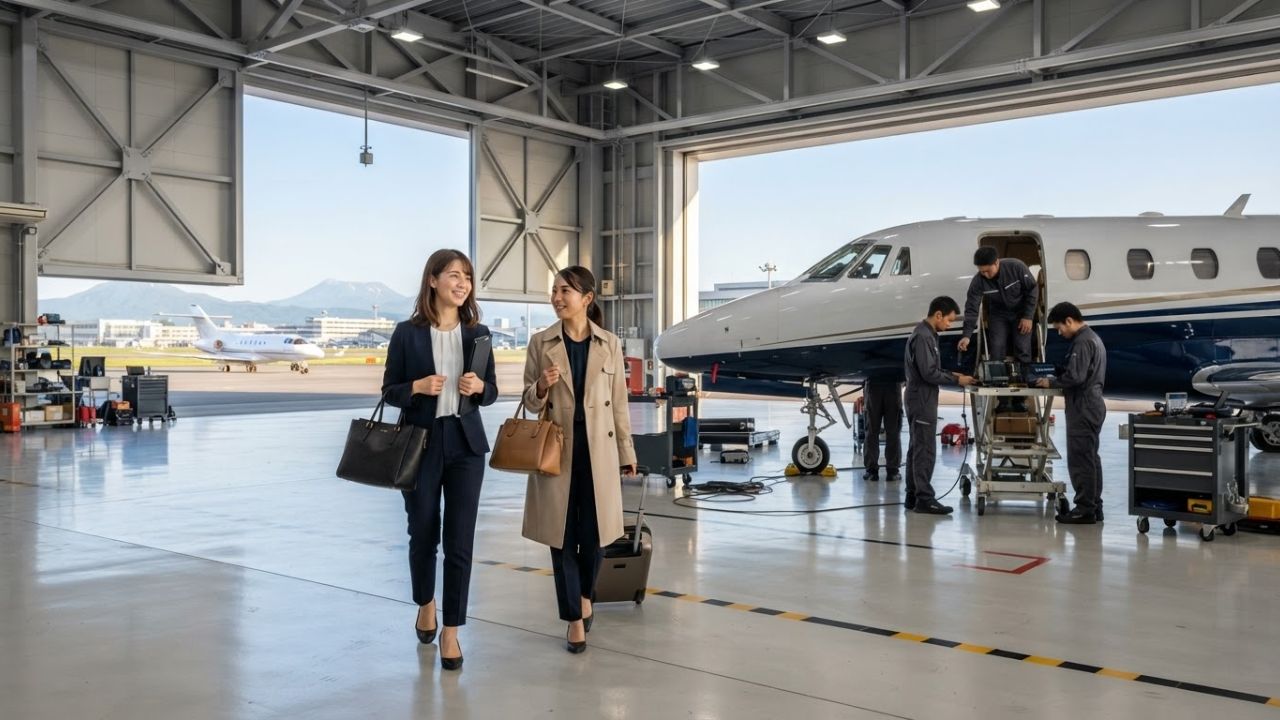
Image generated by AI
Japan Slot and Parking Constraints at Tokyo Haneda and Narita Airports Force Business Jet Operators to Reposition to Sendai Airport
Strict flight slot limitations and overnight parking caps at Tokyo Haneda and Narita airports are causing significant operational hurdles for private and corporate aircraft. Business jet operators are increasingly forced to reposition aircraft to regional alternates, such as Sendai Airport, where a new dedicated hangar and maintenance facility has opened.
The Disruption Details
Operating private or corporate aircraft into Tokyo’s primary gateways, Haneda Airport (HND) and Narita Airport (NRT), has become increasingly difficult due to slot congestion and rigid airport regulations. Haneda enforces a strict maximum parking limit of four nights for non-scheduled flights, while Narita restricts daily landing and departure slots to prioritize commercial airlines. Aircraft exceeding these limits must immediately reposition, which often incurs substantial ferry flight costs.
To address this infrastructure shortage, ANA Facilities Corporation has partnered with Jamco Corporation to launch a business jet hangar and maintenance support service at Sendai Airport (SDJ) in Miyagi Prefecture. The facility provides 600 square meters of steel-frame hangar storage in Iwanuma City. By combining hangar parking with Jamco's certified maintenance services, the partnership offers a strategic alternate for aircraft displaced by Tokyo's strict capacity caps.
Flight & Airport Impact Breakdown
The lack of parking slots in Tokyo is causing secondary operational adjustments across regional Japanese airfields:
- Tokyo Haneda Airport (HND): Extreme parking slot shortages, with non-scheduled aircraft capped at a four-night stay before mandatory repositioning.
- Tokyo Narita Airport (NRT): Limited landing windows and strict operational hours (06:00 to 23:00) that restrict flight planning flexibility.
- Sendai Airport (SDJ): Serving as a primary regional positioning hub, offering 17-minute rail access to central Sendai for corporate travelers.
- Nagoya Airport (NGO) & Osaka Kansai (KIX): Experiencing secondary business aviation traffic increases as alternative long-term parking sites.
Passenger Rights & Advisory (Information Gain)
For private jet passengers and corporate flight departments, navigating slot denials and repositioning requirements involves specific contractual protections:
- Repositioning and Ferry Flight Fees: Under standard private charter agreements (such as those aligned with NBAA or BACA guidelines), if an aircraft must reposition due to local airport parking denials, the charterer is typically billed for the empty ferry flight segments. Passengers should review their charter contracts to verify if repositioning fees are capped or waived.
- Cancellation Refund Rights: If an operator cancels a charter flight because they cannot secure a landing or parking slot at Haneda or Narita, the passenger's right to a full refund depends on whether slot coordination is classified as "force majeure" or "operator scheduling error." Standard contracts generally guarantee a full refund if the operator fails to secure slots prior to final booking confirmation.
- Alternative Ground Logistics: When flights are redirected to Sendai (SDJ), passengers must coordinate ground or rail transfers to Tokyo. The Sendai Airport Access Line provides direct transit to Sendai Station, where travelers can connect to the Tohoku Shinkansen high-speed rail line to reach Tokyo in approximately 90 minutes.
Industry Analyst View
Our analysis indicates that as Haneda and Narita prioritize scheduled commercial capacity, regional alternates are essential to absorb overflow business traffic. Flight tracking systems show that positioning business jets out of Tokyo can add significant flight-cycle costs and empty-leg ferry times.
The joint venture between ANA Facilities and Jamco Corporation at Sendai helps mitigate these inefficiencies by offering a coordinated parking and maintenance service. By allowing aircraft to undergo required maintenance while parked outside Tokyo's high-tariff zone, operators can reduce unnecessary flight legs and better manage fleet availability during peak travel seasons.
Related Travel Guides
Disclaimer
This article is for informational and educational purposes only. It does not constitute legal, financial, or professional advice. While we strive to provide accurate and up-to-date information, travel policies, regulations, and conditions change rapidly. Always verify information with official sources before making travel decisions. Nomad Lawyer makes no representations about the accuracy, reliability, completeness, or suitability of the information provided. Readers should consult qualified professionals for advice specific to their circumstances. The views expressed in this article are those of the author and do not necessarily reflect the views of Nomad Lawyer.
Kunal K Choudhary
Co-Founder & Contributor
A passionate traveller and tech enthusiast. Kunal contributes to the vision and growth of Nomad Lawyer, bringing fresh perspectives and driving the community forward.
Learn more about our team →