
When Aircraft Operate at Maximum Range: What Airlines Don't Tell You About the Limits of Flight Distance
Breaking airline news and aviation industry updates for 2026.

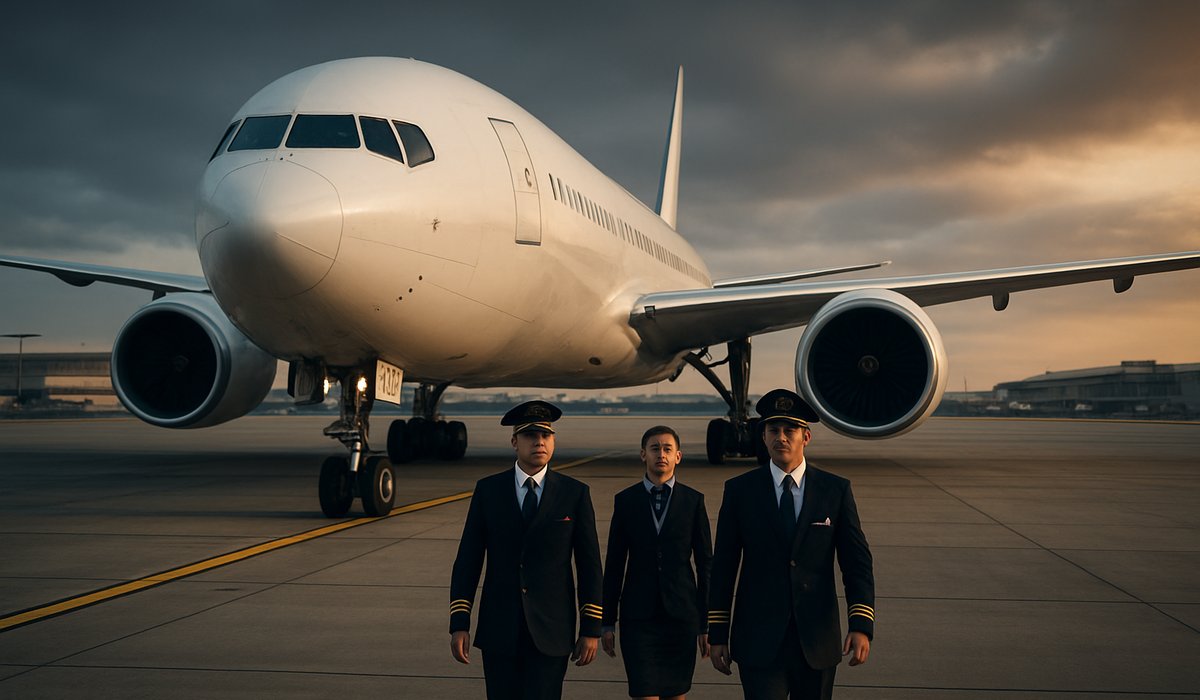
Image generated by AI
When Aircraft Operate at Maximum Range: What Airlines Don't Tell You About the Limits of Flight Distance
The aviation industry's best-kept secret reveals why flying an aircraft to its absolute limits carries hidden costs, operational risks, and passenger experience trade-offs
The Marketing Myth vs. Aviation Reality
Aircraft manufacturers prominently display maximum range specifications at industry conferences and in glossy promotional materials, positioning these figures as definitive measures of capability. Yet this headline number—the distance a plane can theoretically travel on a full fuel tank—bears little resemblance to how airlines actually deploy their fleets in the real world.
The gap between theoretical maximum range and practical operational planning represents one of aviation's most significant blind spots for travelers and industry observers alike. When airlines push aircraft toward their absolute distance limits, a cascade of compromises unfolds that directly impacts ticket pricing, fuel surcharges, and the overall passenger experience.
Beyond the Fuel Tank: The Hidden Constraints
Maximum range calculations provided by manufacturers—Boeing, Airbus, Bombardier, and others—assume optimal conditions that rarely materialize in commercial aviation. These figures presume no headwinds, minimal air traffic control delays, perfect weather, and a fully laden fuel tank without any payload restrictions.
The reality proves far more complex. When an aircraft operates at or near its maximum range capability, airlines must contend with:
Fuel consumption variables that fluctuate based on weather patterns, air traffic routing, and atmospheric conditions—factors that can add 15-20% to fuel burn calculations. Weight penalties from passenger luggage, cargo, and crew provisions that reduce actual achievable distance. Safety margins mandated by aviation regulators, which require airlines to maintain substantial fuel reserves for diversions and unexpected circumstances.
The interplay between these factors explains why major carriers—including Emirates, Qatar Airways, and Singapore Airlines—design their long-haul route networks with built-in operational buffers rather than relying on manufacturers' headline range figures.
The Cost Impact on Airline Operations and Passenger Fares
When airlines operate routes that push aircraft toward maximum range thresholds, operational costs escalate dramatically. Extended flight times increase crew expenses, maintenance intervals compress, and fuel efficiency deteriorates. These expenses inevitably filter down to consumers through baggage fees, fuel surcharges, and elevated base fares on ultra-long-haul routes.
The aviation industry's shift toward larger, more fuel-efficient aircraft like the Airbus A380 and Boeing 787 Dreamliner reflects carriers' attempts to extend practical range while maintaining profitability—a direct response to the economic pressures created by maximum-range operations.
Strategic Implications for Global Aviation Networks
Understanding the distinction between theoretical and operational range fundamentally reshapes how we interpret airline expansion strategies, route announcements, and aircraft fleet decisions. As fuel prices remain volatile and geopolitical factors influence routing options, the ability to push aircraft closer to maximum range without compromising safety or economics becomes an increasingly valuable competitive advantage.
FAQ: Maximum Range Operations Explained
Q: Why don't airlines use aircraft at their true maximum range regularly? Maximum range assumes perfect conditions—no wind, no delays, and full fuel capacity with no cargo. Real-world operations require safety reserves, which reduces practical distance by 10-25%.
Q: How does maximum range relate to airline fuel surcharges? Routes operating near maximum range limits require more fuel relative to payload, forcing carriers to impose fuel surcharges on ultra-long-haul flights to maintain profitability.
Q: Can weather conditions prevent an aircraft from reaching its advertised range? Absolutely. Headwinds, air traffic diversions, and holding patterns can consume additional fuel, effectively reducing an aircraft's maximum range by hundreds of miles.
Q: Which aircraft can currently fly the longest distances? The Boeing 787-10 Dreamliner and Airbus A350-900 lead the market with operational ranges exceeding 7,600 nautical miles under realistic conditions.
Q: Does flying at maximum range increase ticket prices? Yes. Routes requiring aircraft to operate near maximum range typically carry premium fares due to higher fuel consumption, crew costs, and reduced passenger capacity relative to fuel weight.
Related Travel Guides
Flight Delay Compensation Guide 2026
Understanding Airline Route Changes
Airport Security Process Updated (2026)
External Resources
Disclaimer
This article is for informational and educational purposes only. It does not constitute legal, financial, or professional advice. While we strive to provide accurate and up-to-date information, travel policies, regulations, and conditions change rapidly. Always verify information with official sources before making travel decisions. Nomad Lawyer makes no representations about the accuracy, reliability, completeness, or suitability of the information provided. Readers should consult qualified professionals for advice specific to their circumstances. The views expressed in this article are those of the author and do not necessarily reflect the views of Nomad Lawyer.
Preeti Gunjan
Contributor & Community Manager
A passionate traveller and community builder. Preeti helps grow the Nomad Lawyer community, fostering engagement and bringing the reader experience to life.
Learn more about our team →