
B-52 Stratofortress Defies Retirement Plans to Remain USAF's Most Heavily Deployed Strike Aircraft
Breaking airline news and aviation industry updates for 2026.

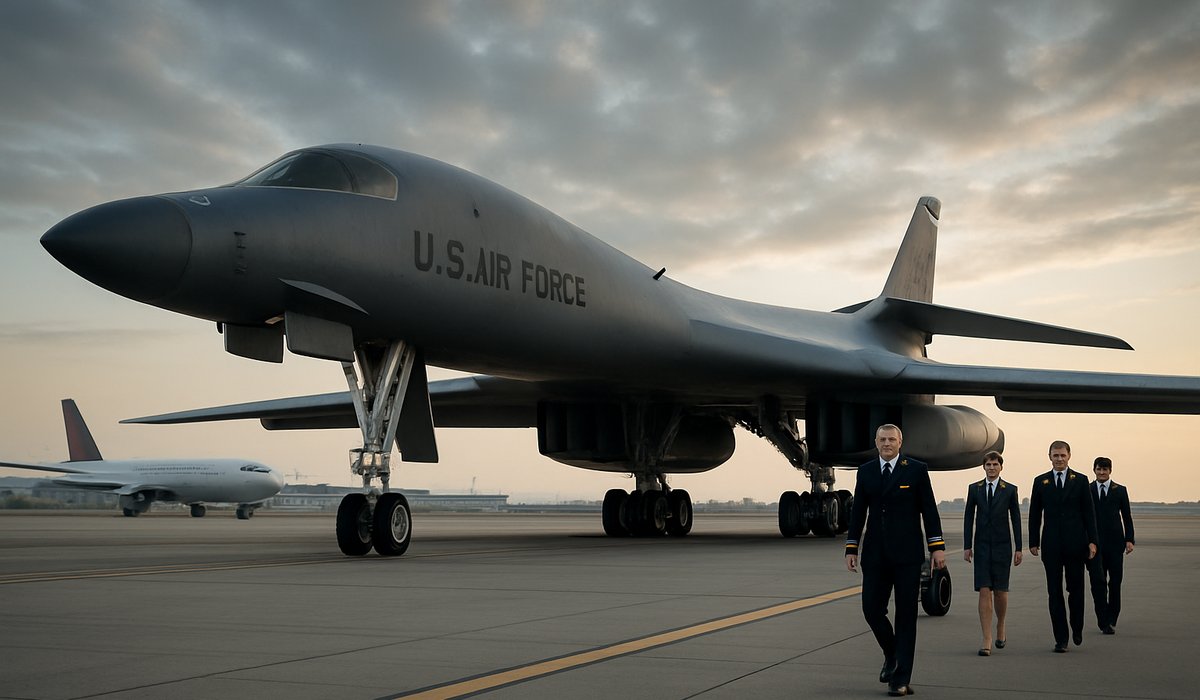
Image generated by AI
B-52 Stratofortress Defies Retirement Plans to Remain USAF's Most Heavily Deployed Strike Aircraft
The iconic Cold War bomber continues active service despite 15 years of decommissioning proposals, cementing its role in modern military aviation
A Legacy That Refuses to Fade
The Boeing B-52 Stratofortress, an aircraft whose design predates commercial jet aviation itself, has once again proven its irreplaceable value to the United States Air Force—casting aside another round of retirement proposals that have plagued the platform for over a decade and a half. Since its maiden flight in 1955, this eight-engine strategic bomber has become synonymous with American air power, and current operational demands show no indication of diminishing its critical role in global military operations.
Unconventional Design Still Outperforms Modern Alternatives
The B-52's distinctive engineering specifications—featuring its signature eight-engine configuration and massive anhedral wings equipped with distinctive outrigger landing gear—represent a engineering approach unlikely to be replicated in contemporary aircraft design. Despite these seemingly outdated characteristics, the platform has demonstrated unmatched endurance and payload capacity that continues to justify its operational necessity within the USAF's long-range strike command.
Military analysts attribute the aircraft's sustained relevance to several factors: its exceptional range capabilities, advanced weapons integration potential, and proven reliability in diverse operational theaters. The platform's ability to carry substantial ordnance loads over intercontinental distances has established it as an irreplaceable component of strategic deterrence doctrine.
Persistent Retirement Proposals Meet Operational Reality
Successive efforts over the past 15 years to retire the B-52 fleet have consistently encountered resistance from military planners and defense strategists who recognize the platform's continued operational necessity. Each proposed decommissioning timeline has been postponed or abandoned entirely, reflecting the shortage of viable alternatives capable of matching the aircraft's unique performance envelope.
The USAF has instead committed to modernization initiatives aimed at extending the B-52's service life through the coming decades. Avionics upgrades, engine reliability improvements, and integration with contemporary weapons systems have transformed the platform into a hybrid of Cold War heritage and 21st-century capability.
Strategic Importance in Modern Conflicts
The aircraft's deployment frequency across multiple operational regions underscores its essential function within contemporary military strategy. From Pacific deterrence operations to Middle Eastern strike missions, the B-52 continues accumulating operational flight hours that demonstrate irreplaceable tactical value.
Defense industry experts project the B-52 will remain in active service well into the 2050s, making it potentially the longest-serving military aircraft platform in aviation history. This longevity reflects not merely mechanical durability, but rather a fundamental gap in modern air power doctrine that has yet to be adequately addressed through alternative systems.
FAQ: Understanding the B-52's Continued Operational Role
Why hasn't the U.S. Air Force retired the B-52 Stratofortress despite decades of proposals? The platform's exceptional range, payload capacity, and proven reliability in diverse operational environments provide capabilities that modern alternatives have yet to replicate cost-effectively. No single replacement system has demonstrated sufficient superiority to justify the enormous investment required for fleet-wide transition.
What modernization efforts have extended the B-52's operational lifespan? Recent upgrades include advanced avionics integration, engine reliability enhancements, and compatibility with contemporary precision-guided weaponry. These modifications have transformed the aircraft into a modern platform while maintaining its proven structural foundation.
How many B-52s remain in active service with the USAF? The operational fleet comprises numerous aircraft distributed across strategic bomber squadrons, though exact numbers remain classified for security purposes. Current deployments span multiple continents and operational commands.
What aircraft has been developed as a potential B-52 replacement? The B-21 Raider represents the next-generation strategic bomber platform currently under development, though full operational deployment remains years away. The B-52 will likely maintain primary operational duties during this extended transition period.
How does the B-52's operating cost compare to modern military aircraft? While per-flight-hour costs have increased with age, the platform's exceptional payload and range capabilities make it cost-competitive with alternatives when measured against mission effectiveness metrics.
Related Travel Guides
Disclaimer
This article is for informational and educational purposes only. It does not constitute legal, financial, or professional advice. While we strive to provide accurate and up-to-date information, travel policies, regulations, and conditions change rapidly. Always verify information with official sources before making travel decisions. Nomad Lawyer makes no representations about the accuracy, reliability, completeness, or suitability of the information provided. Readers should consult qualified professionals for advice specific to their circumstances. The views expressed in this article are those of the author and do not necessarily reflect the views of Nomad Lawyer.
Raushan Kumar
Founder & Lead Developer
Full-stack developer with 11+ years of experience and a passionate traveller. Raushan built Nomad Lawyer from the ground up with a vision to create the best travel and law experience on the web.
Learn more about our team →