
Boeing's Grounded 777X Fleet Faces Years of Rework as Delivery Crisis Deepens
Breaking airline news and aviation industry updates for 2026.

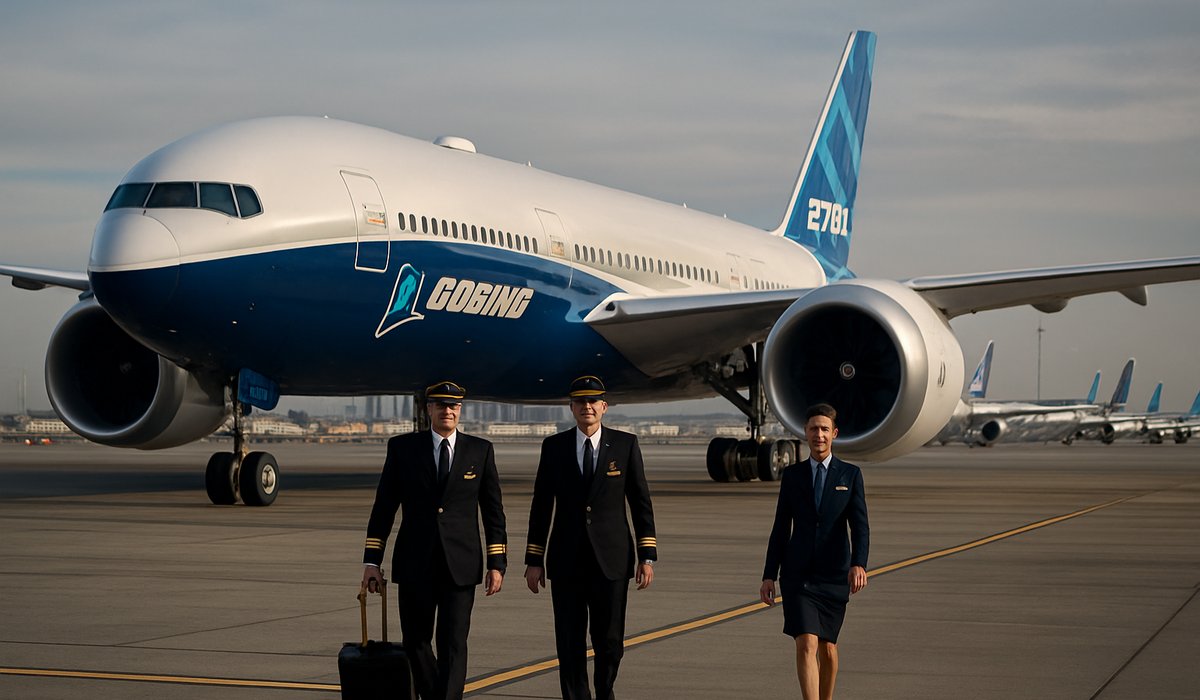
Image generated by AI
Boeing's Grounded 777X Fleet Faces Years of Rework as Delivery Crisis Deepens
Thirty aircraft languishing in storage as certification delays pile mounting costs on aerospace manufacturer
The 777X Crisis: A Decade-Long Delay Reshapes Aviation Supply Chain
Boeing faces a critical reckoning over its flagship 777X widebody jet, with approximately 30 aircraft currently stored and requiring extensive rework before they can be delivered to waiting airlines. The long-haul aircraft, originally slated for commercial operations in 2020, remains uncertified after seven years of development setbacks and roughly $15 billion in accumulated costs.
This unprecedented delay represents one of the aerospace industry's most consequential production crises in recent memory, threatening to destabilize global aviation capacity at a time when carriers are desperately seeking new fuel-efficient aircraft to manage operating costs amid volatile jet fuel prices.
Certification Bottleneck: FAA's Stricter Oversight Takes Toll
The certification gridlock stems directly from the Federal Aviation Administration's heightened scrutiny of Boeing following the 737 MAX crisis. The regulator has repeatedly halted, restarted, and restructured the 777X approval process, demanding more rigorous safety validations and design modifications that have cascaded into production delays.
Industry sources confirm that the stored aircraft require significant engineering work before they can meet current certification standards. Each unit demands rework on multiple systems, components, and structural elements—a process that will consume years rather than months.
Global Airlines Face Extended Aircraft Shortages
The bottleneck carries profound implications for international carriers struggling to modernize aging fleets. Airlines including Lufthansa Group, British Airways parent IAG, and ANA have placed substantial orders for the 777X, betting on its superior fuel efficiency and passenger capacity to offset rising operational expenses.
Extended delivery timelines force carriers to retain older, less efficient widebodies longer than planned, increasing fuel consumption and carbon emissions during a critical period of environmental accountability in aviation.
Financial Toll Mounting Across Industry
Boeing's extended development timeline has strained its balance sheet and investor confidence. The manufacturer must continue absorbing development costs while production remains halted, creating financial headwinds that ripple through supplier networks and aerospace employment.
For airlines, delayed aircraft acquisitions necessitate higher maintenance spending on aging equipment and postponed fleet optimization initiatives that would improve profitability and sustainability metrics.
FAQ: Boeing 777X Delays and Aviation Impact
Q: When will the 777X finally receive FAA certification? A: No official timeline exists, but industry analysts suggest 2024-2025 at the earliest, pending successful test flights and regulatory approval.
Q: How does this affect airline ticket prices and baggage fees? A: Delayed fleet modernization forces carriers to maintain aging aircraft longer, increasing jet fuel costs and operational expenses—factors that typically translate into higher airfares and expanded baggage surcharges.
Q: Which airlines are most affected by 777X delivery delays? A: Lufthansa Group, International Airlines Group (IAG), All Nippon Airways (ANA), and other major carriers with significant order books face the longest wait times.
Q: What is the 777X's fuel efficiency advantage? A: The aircraft is designed to consume 12% less fuel than competing widebodies, offering substantial operational savings once delivered.
Q: Could Boeing lose 777X orders due to these delays? A: Yes. Airlines frustrated by delays have considered canceling or converting orders to competing aircraft from Airbus, though no major cancellations have been announced.
Related Travel Guides
Flight Delay Compensation Guide 2026
Understanding Airline Route Changes
Airport Security Process Updated (2026)
External Resources
Disclaimer
This article is for informational and educational purposes only. It does not constitute legal, financial, or professional advice. While we strive to provide accurate and up-to-date information, travel policies, regulations, and conditions change rapidly. Always verify information with official sources before making travel decisions. Nomad Lawyer makes no representations about the accuracy, reliability, completeness, or suitability of the information provided. Readers should consult qualified professionals for advice specific to their circumstances. The views expressed in this article are those of the author and do not necessarily reflect the views of Nomad Lawyer.
Kunal K Choudhary
Co-Founder & Contributor
A passionate traveller and tech enthusiast. Kunal contributes to the vision and growth of Nomad Lawyer, bringing fresh perspectives and driving the community forward.
Learn more about our team →