
US Airline Pilot Salaries in 2026: Major Pay Disparities Emerge Across Fleet Types and Seniority Levels
Breaking airline news and aviation industry updates for 2026.

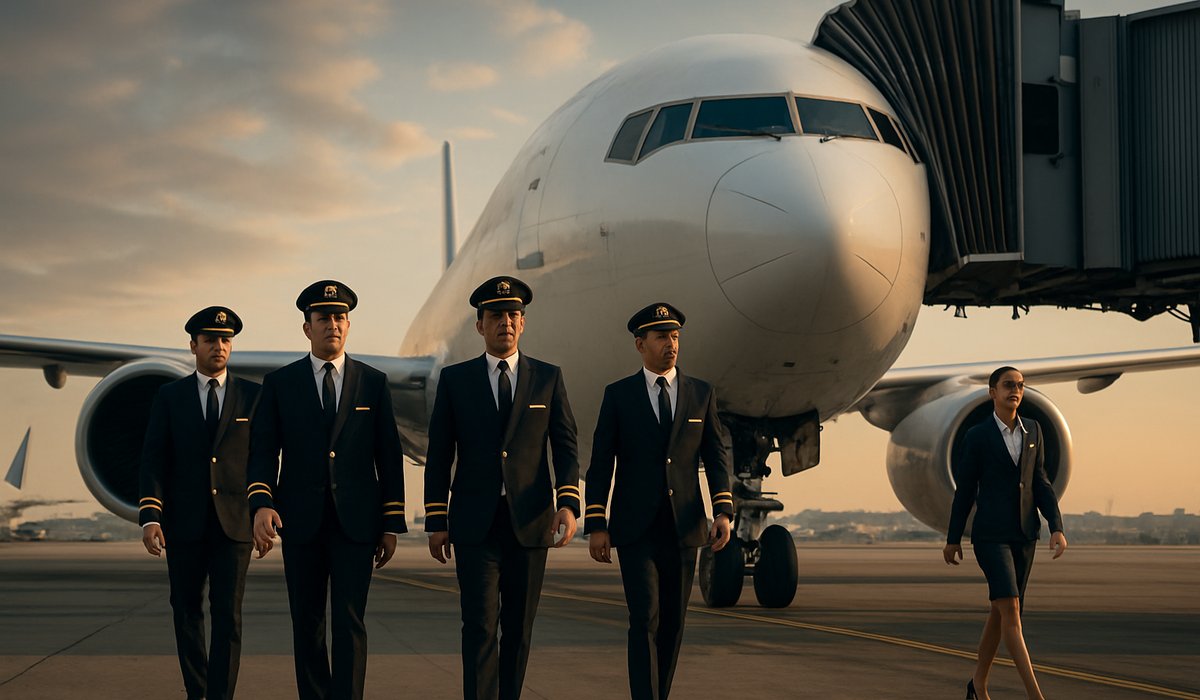
Image generated by AI
US Airline Pilot Salaries in 2026: Major Pay Disparities Emerge Across Fleet Types and Seniority Levels
Union negotiations and aircraft modernization drive widening compensation gaps between carriers
Pilot Pay Structures Shift Beyond Base Salary
The American aviation industry faces a defining moment in pilot compensation strategy heading into 2026, with earnings structures among major US carriers increasingly diverging based on aircraft assignments rather than simple hourly rates. The shift, catalyzed by aggressive union contract negotiations during the post-pandemic pilot shortage and ongoing fleet modernization initiatives, has fundamentally reshaped how carriers compete for experienced flight crews in an increasingly competitive labor market.
Unlike previous compensation models anchored primarily to base hourly wages, contemporary pilot pay packages now hinge on multiple variables: the specific aircraft type operated, cockpit position (captain versus first officer), regional versus mainline status, and individual seniority progression within each airline's pilot roster. This structural complexity means that two pilots earning identical hourly rates at different carriers may experience substantially different total compensation trajectories.
Widebody Operations Command Premium Compensation
The most significant compensation differential exists between pilots flying long-haul widebody aircraft—including the Boeing 777 and Airbus A350—compared to those assigned to narrowbody fleets like the Boeing 737. Widebody captains, who typically operate international routes generating higher revenue per flight hour, command substantially elevated pay packages at major US carriers. First officers transitioning to captain positions on widebody equipment see particularly pronounced increases in lifetime earning potential.
The supply-demand dynamics for widebody-qualified pilots remain exceptionally tight. As US carriers simultaneously modernize aging fleets and expand international capacity, competition for experienced widebody captains has intensified markedly since 2024, translating into accelerated pay progression and enhanced premium structures across the industry.
Industry Context: Labor Strength and Sustained Demand
This compensation restructuring reflects broader aviation sector realities. Pilot unionization remains robust, with major carrier flight crews represented by the Air Line Pilots Association (ALPA) negotiating from positions of genuine leverage. The industry continues absorbing mandatory retirements of experienced crew members while simultaneously managing record passenger demand, perpetuating workforce scarcity that favors labor negotiations.
Jet fuel prices, though recently moderated from pandemic-era spikes, continue influencing airline profitability and downstream crew compensation budgets. Carriers demonstrating strong financial performance have proven more willing to accelerate pilot pay increases, while those facing margin pressures have adopted more conservative compensation trajectories.
Looking Forward
As 2026 approaches, prospective pilots evaluating career opportunities should recognize that total compensation comparisons between major carriers require detailed analysis extending far beyond headline hourly rates. Aircraft type assignment, captain upgrade timelines, and long-term seniority progression merit careful consideration alongside base salary figures.
Frequently Asked Questions
What factors determine pilot salaries at US airlines beyond base hourly pay? Aircraft type (widebody vs. narrowbody), cockpit position (captain vs. first officer), seniority level, and position within the airline's pay progression grid substantially impact total compensation.
Do Boeing 777 and Airbus A350 pilots earn more than Boeing 737 pilots? Yes—widebody pilots consistently earn premium compensation compared to narrowbody colleagues, with captains commanding the highest rates for long-haul international operations.
How have union negotiations affected pilot pay in the aviation industry? Post-pandemic union contracts secured significant wage increases and improved progression schedules, with major carriers competitively raising compensation to attract and retain experienced crews.
Are US airline pilot salaries expected to increase further in 2026? Industry demand for qualified pilots remains robust, suggesting continued upward pressure on compensation, particularly for widebody-qualified captains.
How do jet fuel prices impact airline pilot salaries? Elevated fuel costs reduce airline profitability, potentially constraining pilot compensation growth; conversely, lower fuel prices improve margins, enabling more aggressive crew pay increases.
Related Travel Guides
-
Canada's Fighter Pilot Crisis: Why Military Salaries Fall Behind Private Aviation in 2026
-
Seven New Long-Haul Nonstop Routes Transform Global Aviation Connectivity This Week
External Resources
Disclaimer
This article is for informational and educational purposes only. It does not constitute legal, financial, or professional advice. While we strive to provide accurate and up-to-date information, travel policies, regulations, and conditions change rapidly. Always verify information with official sources before making travel decisions. Nomad Lawyer makes no representations about the accuracy, reliability, completeness, or suitability of the information provided. Readers should consult qualified professionals for advice specific to their circumstances. The views expressed in this article are those of the author and do not necessarily reflect the views of Nomad Lawyer.
Kunal K Choudhary
Co-Founder & Contributor
A passionate traveller and tech enthusiast. Kunal contributes to the vision and growth of Nomad Lawyer, bringing fresh perspectives and driving the community forward.
Learn more about our team →