
US Air Force Bypasses Lockheed Martin With In-House 3D-Printed F-35 Components, Signaling Major Shift in Defense Manufacturing
Breaking airline news and aviation industry updates for 2026.

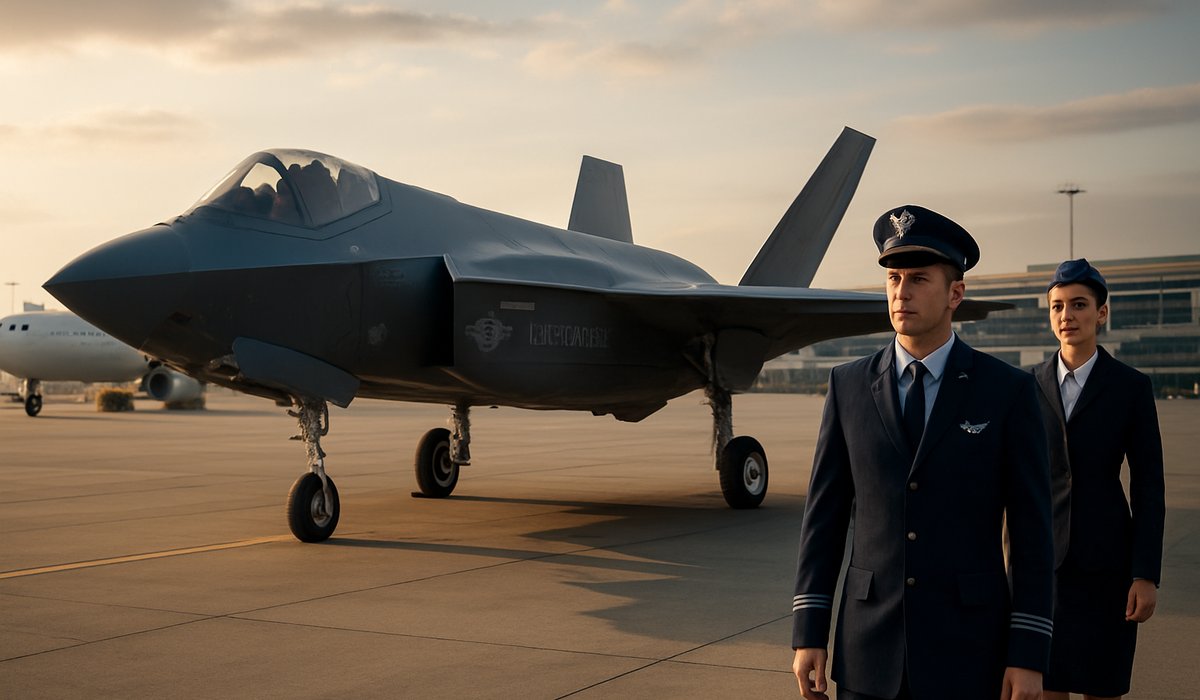
Image generated by AI
US Air Force Bypasses Lockheed Martin With In-House 3D-Printed F-35 Components, Signaling Major Shift in Defense Manufacturing
Military moves to reclaim supply chain control and reduce dependency on single contractor for critical fighter jet maintenance
Breaking New Ground in Defense Self-Sufficiency
The United States Air Force has successfully manufactured replacement components for its F-35 Lightning II fighter jets using three-dimensional printing technology, marking a significant departure from its decades-long reliance on Lockheed Martin for spare parts production. The development underscores a broader military strategy to reassert control over critical supply chains and reduce vulnerability to sole-source contractor arrangements that have long characterized America's most expensive weapons system.
The Contractual Stranglehold
When the Department of Defense selected the F-35 platform in the early 2000s, decision-makers granted Lockheed Martin exclusive stewardship over the entire program ecosystem—encompassing intellectual property rights, maintenance protocols, and spare parts manufacturing. This arrangement stripped the military of its traditional prerogative to maintain aircraft using internal resources or engage alternative suppliers for sustainment operations, a practice that had defined fighter jet procurement for generations.
The contractual structure effectively locked the Air Force into a perpetual relationship with a single vendor, limiting strategic flexibility and potentially exposing defense readiness to supply chain disruptions or cost escalations beyond military control.
Manufacturing Independence Through Innovation
By leveraging additive manufacturing capabilities, the Air Force has demonstrated it can produce necessary components internally, circumventing traditional procurement bottlenecks. This capability represents a watershed moment for military logistics, suggesting that three-dimensional printing technology could fundamentally reshape how the Department of Defense approaches spare parts management and contractor dependency across its entire fleet.
The move carries significant implications for operational costs. Rather than purchasing components through established Lockheed Martin channels at negotiated rates, the military can now manufacture parts on-demand, potentially reducing lead times and expenses while maintaining operational readiness during supply shortages or geopolitical tensions.
Broader Defense Industry Implications
This development signals Washington's determination to reclaim sovereign control over critical military supply chains—a priority that has gained urgency amid global supply disruptions, rising manufacturing costs, and heightened scrutiny of defense contractor practices. The success could inspire similar initiatives across other weapons programs, particularly legacy systems where exclusive supplier arrangements remain standard.
For Lockheed Martin, the Air Force's independent manufacturing initiative represents a tangible erosion of the monopolistic protections embedded in the original F-35 contract, potentially opening pathways for future cost-reduction initiatives that bypass the prime contractor altogether.
FAQ: Military Supply Chains and Defense Manufacturing
Q: Can the Air Force legally manufacture F-35 parts without Lockheed Martin's permission? A: The original contract structure was designed to prevent this, but additive manufacturing capabilities and evolving legal interpretations around government rights may enable it. Legal frameworks continue to evolve on this issue.
Q: How much could the military save by manufacturing its own spare parts? A: Exact figures remain classified, but eliminating contractor markups and reducing procurement timelines could yield substantial savings across the F-35 fleet's 30-year operational lifespan.
Q: Will other defense contractors face similar pressure to share manufacturing rights? A: Yes. The Pentagon is actively reviewing contractor agreements to restore government access to supply chain management and reduce sole-source dependencies.
Q: What limitations does 3D printing have for fighter jet components? A: Current technology excels with non-structural parts but faces challenges with high-stress components requiring precise metallurgical properties.
Q: Could this model apply to commercial aviation? A: Potentially, though regulatory frameworks differ significantly between military and civilian aircraft maintenance standards.
Related Travel Guides
-
594 Flights Canceled, 2,476 Delayed Across Asia — Doha, Dubai, Delhi Worst Hit
-
Tourism Little Rock: Arkansas City Unveils $2B Marketing Campaign in 2026
External Resources
Disclaimer
This article is for informational and educational purposes only. It does not constitute legal, financial, or professional advice. While we strive to provide accurate and up-to-date information, travel policies, regulations, and conditions change rapidly. Always verify information with official sources before making travel decisions. Nomad Lawyer makes no representations about the accuracy, reliability, completeness, or suitability of the information provided. Readers should consult qualified professionals for advice specific to their circumstances. The views expressed in this article are those of the author and do not necessarily reflect the views of Nomad Lawyer.
Raushan Kumar
Founder & Lead Developer
Full-stack developer with 11+ years of experience and a passionate traveller. Raushan built Nomad Lawyer from the ground up with a vision to create the best travel and law experience on the web.
Learn more about our team →