
Air New Zealand's Extended New York Route Exposes the Hidden Economics of Ultra Long-Haul Aviation
Breaking airline news and aviation industry updates for 2026.

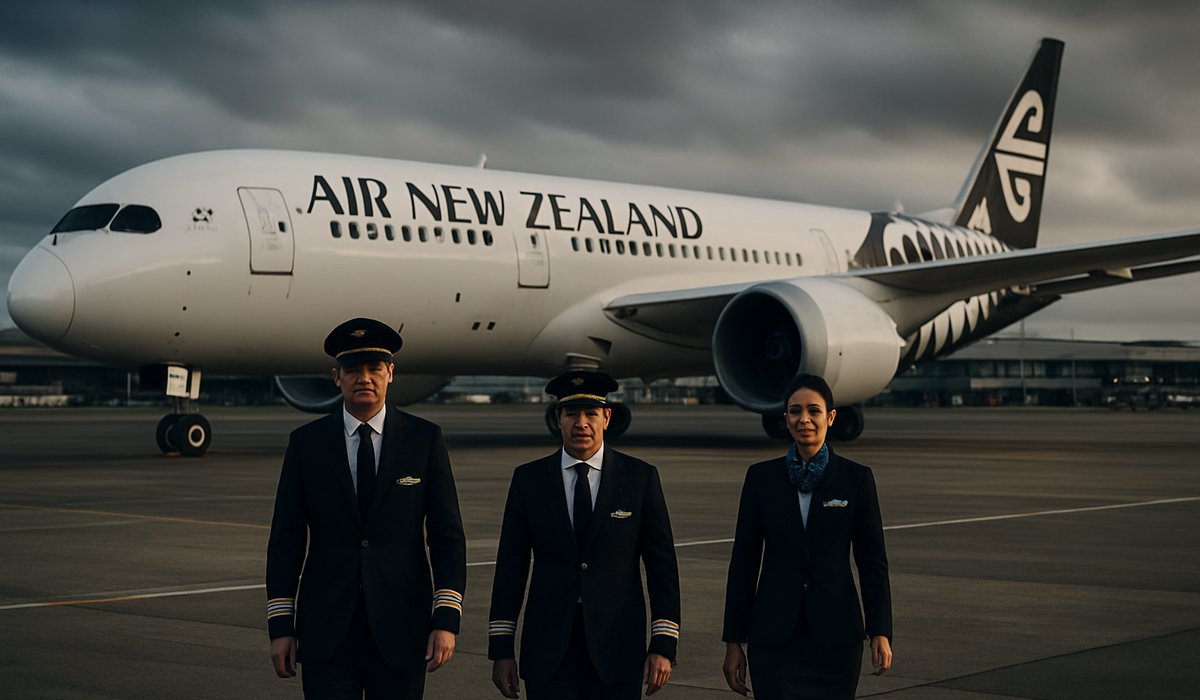
Image generated by AI
Air New Zealand's Extended New York Route Exposes the Hidden Economics of Ultra Long-Haul Aviation
The airline's ambitious Auckland-New York service reveals why longer flight times don't automatically translate to financial success
The Challenge Behind the 18-Hour Marathon
Air New Zealand has encountered unexpected operational headwinds with its flagship ultra-long-haul service connecting Auckland and New York, a grueling nearly 18-hour journey that underscores a critical reality in modern aviation: technical capability does not guarantee commercial viability.
The carrier's experience with this extended route illustrates a broader industry paradox. While advances in aircraft technology and engine efficiency have made it physically possible to operate some of the world's longest commercial flights, the economic case for such services remains precarious. Rising jet fuel prices, elevated crew costs, aircraft maintenance expenses, and stringent regulatory requirements all compound the financial pressure on carriers attempting these ambitious routes.
Why Distance Doesn't Equal Profit
Ultra-long-haul operations come with distinctive challenges that shorter routes avoid entirely. Extended flight times demand additional crew rotations to meet international fatigue regulations, increasing labor expenses significantly. Specialized aircraft capable of such distances—typically wide-body jets like the Boeing 787 or Airbus A350—command premium acquisition and maintenance costs. Fuel consumption, though improved by modern engines, remains substantial across 18-hour segments.
The Auckland-New York corridor, while strategically important for connecting New Zealand to major North American markets, operates within a limited passenger pool. Load factors must remain consistently high to offset operational expenses, leaving little margin for demand fluctuations or seasonal variations that routinely impact long-haul aviation.
Industry Implications for Premium Connectivity
Air New Zealand's experience signals broader implications for carriers considering similar routes. Airlines globally have pursued aggressive ultra-long-haul expansion strategies in recent years, viewing direct connectivity as a competitive advantage. However, the financial sustainability of these services increasingly depends on premium pricing strategies, ancillary revenues from baggage charges and seat selections, and strong corporate travel demand.
The aviation industry continues grappling with volatile jet fuel prices, which directly impact airline profitability on fuel-intensive routes. Simultaneously, passengers demonstrate growing resistance to baggage fees and supplementary charges, pressuring carriers to reconsider their revenue models on low-margin routes.
Looking Ahead
As Air New Zealand reassesses its ultra-long-haul ambitions, the aviation sector faces a reckoning: technological achievement does not automatically translate to business success. The airline's situation reflects the tension between operational innovation and financial reality—a challenge that will shape route planning and fleet investment decisions across the global aviation industry for years to come.
FAQ: Ultra Long-Haul Aviation Economics
Why do airlines struggle with ultra-long-haul routes despite modern aircraft? Modern aircraft can technically reach distant destinations, but operational costs—fuel consumption, crew requirements, maintenance, and aircraft depreciation—often exceed revenue from limited passenger demand on niche routes.
How do airline baggage fees and ancillary charges factor into long-haul profitability? Carriers depend increasingly on ancillary revenue streams like baggage charges, seat selections, and premium services to offset high fuel costs and operational expenses on extended routes, especially when ticket pricing alone proves insufficient.
What impact do jet fuel prices have on ultra-long-haul sustainability? Volatile fuel markets directly threaten profitability on fuel-intensive routes. A surge in jet fuel prices can rapidly eliminate slim margins, making previously viable services economically unsustainable for airlines.
Are airlines abandoning ultra-long-haul expansion strategies? Not entirely, but carriers now approach new extended routes with greater financial scrutiny, requiring stronger demand forecasts and higher load factors before committing to these capital-intensive operations.
How does aircraft choice affect ultra-long-haul route profitability? Specialized wide-body jets like the Boeing 787 and Airbus A350 offer superior efficiency, but their premium acquisition costs mean airlines must achieve sustained high occupancy rates to justify the investment across long-distance routes.
Related Travel Guides
Flight Delay Compensation Guide 2026
Understanding Airline Route Changes
Airport Security Process Updated (2026)
External Resources
Disclaimer
This article is for informational and educational purposes only. It does not constitute legal, financial, or professional advice. While we strive to provide accurate and up-to-date information, travel policies, regulations, and conditions change rapidly. Always verify information with official sources before making travel decisions. Nomad Lawyer makes no representations about the accuracy, reliability, completeness, or suitability of the information provided. Readers should consult qualified professionals for advice specific to their circumstances. The views expressed in this article are those of the author and do not necessarily reflect the views of Nomad Lawyer.
Raushan Kumar
Founder & Lead Developer
Full-stack developer with 11+ years of experience and a passionate traveller. Raushan built Nomad Lawyer from the ground up with a vision to create the best travel and law experience on the web.
Learn more about our team →