
The F-4 Phantom II: How a Navy Fighter Jet Became the Air Force's Most Trusted Workhorse
Breaking airline news and aviation industry updates for 2026.

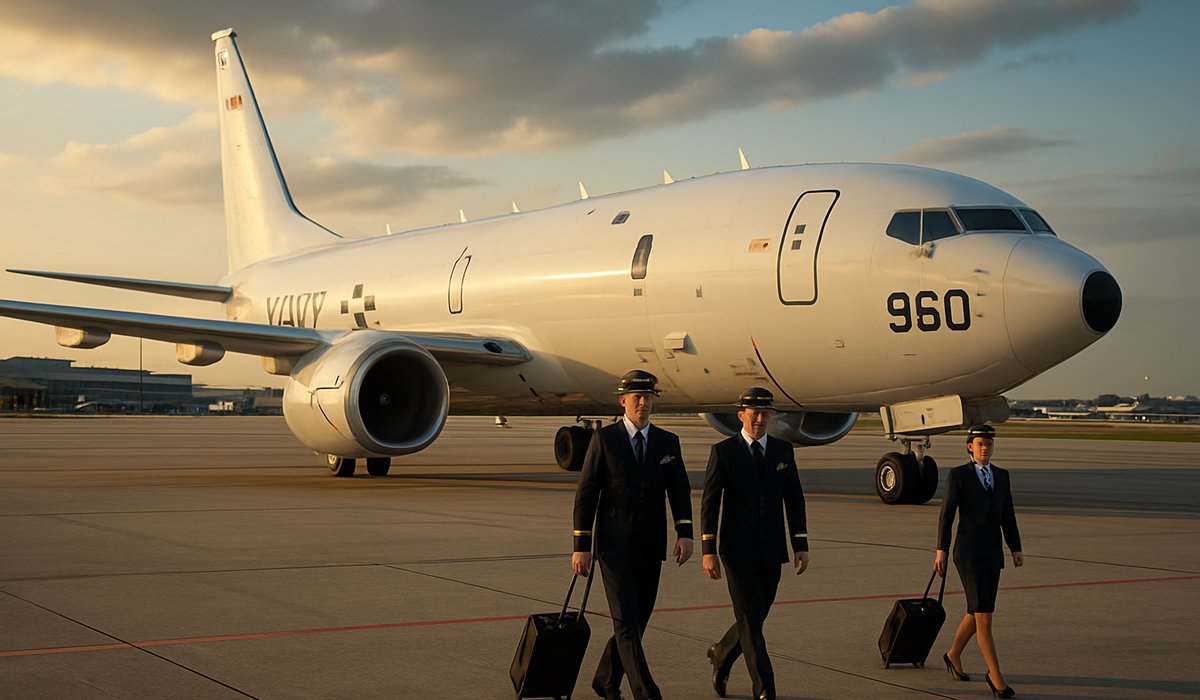
Image generated by AI
The F-4 Phantom II: How a Navy Fighter Jet Became the Air Force's Most Trusted Workhorse
A reluctant partnership that transformed military aviation history
A Navy Design Finds Its True Home in the Air Force
When the McDonnell Douglas F-4 Phantom II first took to the skies, few anticipated it would become one of the most consequential fighter aircraft in modern military history. Originally conceived as a fleet defense interceptor for the United States Navy, the aircraft's remarkable versatility and combat reliability would eventually persuade the Air Force to not only adopt the platform but embrace it as a cornerstone of its operational fleet.
What began as a cross-service experiment evolved into an unprecedented production success. McDonnell Douglas ultimately constructed more than 5,000 Phantom II airframes, with the majority—exceeding 2,500 examples—destined specifically for Air Force squadrons. This staggering output underscores the aircraft's transformative impact on Cold War-era aviation strategy.
From Naval Innovation to Air Force Dominance
The Phantom II's journey from Navy concept to Air Force mainstay represents a unique chapter in defense procurement. Initially designed to meet specific naval requirements for carrier-based operations, the airframe's robust engineering and exceptional performance metrics caught the attention of Air Force leadership, who recognized its potential across multiple mission profiles.
The transition proved seamless. The aircraft's twin General Electric J79 turbojets, capable of generating tremendous thrust, provided the performance margins necessary for diverse operational roles—from air-to-air combat to ground attack and tactical reconnaissance. This flexibility distinguished the Phantom II from contemporaries and justified its widespread adoption across NATO allies and allied nations globally.
Revolutionary Versatility That Defined an Era
The F-4's success stemmed from engineering choices that prioritized adaptability. The spacious fuselage accommodated various avionics packages and weapons configurations without requiring fundamental redesigns. Pilots and weapons officers operating from Air Force bases discovered the aircraft could transition between mission types with minimal modification, a characteristic that dramatically reduced operational costs and maximized fleet utilization during peak Cold War tensions.
By the time full-scale Air Force procurement commenced, the Phantom II had already proven itself in combat during the Vietnam War, where both Navy and Air Force variants accumulated impressive operational records. This combat pedigree accelerated institutional confidence and accelerated adoption rates across service branches.
A Lasting Legacy in Aviation History
Decades after production ceased, the F-4 Phantom II remains operational with select air forces worldwide. Its evolution from a specialized naval platform to an indispensable Air Force asset demonstrates how exceptional engineering and cross-service flexibility can transcend organizational boundaries and create truly iconic military equipment.
FAQ: Understanding the F-4 Phantom II's Military Impact
Q: Why did the US Air Force initially resist adopting a Navy fighter jet? A: Institutional preferences and service-specific procurement practices created barriers, but the Phantom II's demonstrated performance and versatility ultimately overcame these organizational obstacles.
Q: How many F-4 Phantom IIs were produced in total? A: McDonnell Douglas manufactured over 5,000 aircraft, with more than half allocated to Air Force operations.
Q: What made the Phantom II more versatile than competing fighter designs? A: Its powerful twin engines, spacious airframe, and modular avionics architecture enabled rapid reconfiguration for diverse mission requirements without structural modifications.
Q: Which countries operated the F-4 Phantom II? A: Beyond the United States military, dozens of NATO allies and international partners fielded the aircraft throughout the Cold War and beyond.
Q: Is the F-4 Phantom II still in active service today? A: Yes, select air forces continue operating modernized variants, testament to the platform's enduring design quality and adaptability.
Related Travel Guides
External Resources
Disclaimer
This article is for informational and educational purposes only. It does not constitute legal, financial, or professional advice. While we strive to provide accurate and up-to-date information, travel policies, regulations, and conditions change rapidly. Always verify information with official sources before making travel decisions. Nomad Lawyer makes no representations about the accuracy, reliability, completeness, or suitability of the information provided. Readers should consult qualified professionals for advice specific to their circumstances. The views expressed in this article are those of the author and do not necessarily reflect the views of Nomad Lawyer.
Raushan Kumar
Founder & Lead Developer
Full-stack developer with 11+ years of experience and a passionate traveller. Raushan built Nomad Lawyer from the ground up with a vision to create the best travel and law experience on the web.
Learn more about our team →