
EasyJet Rejects £4.7 Billion Castlelake Takeover Bid, Accuses Buyer of Predatory Pricing
Breaking airline news and aviation industry updates for 2026.

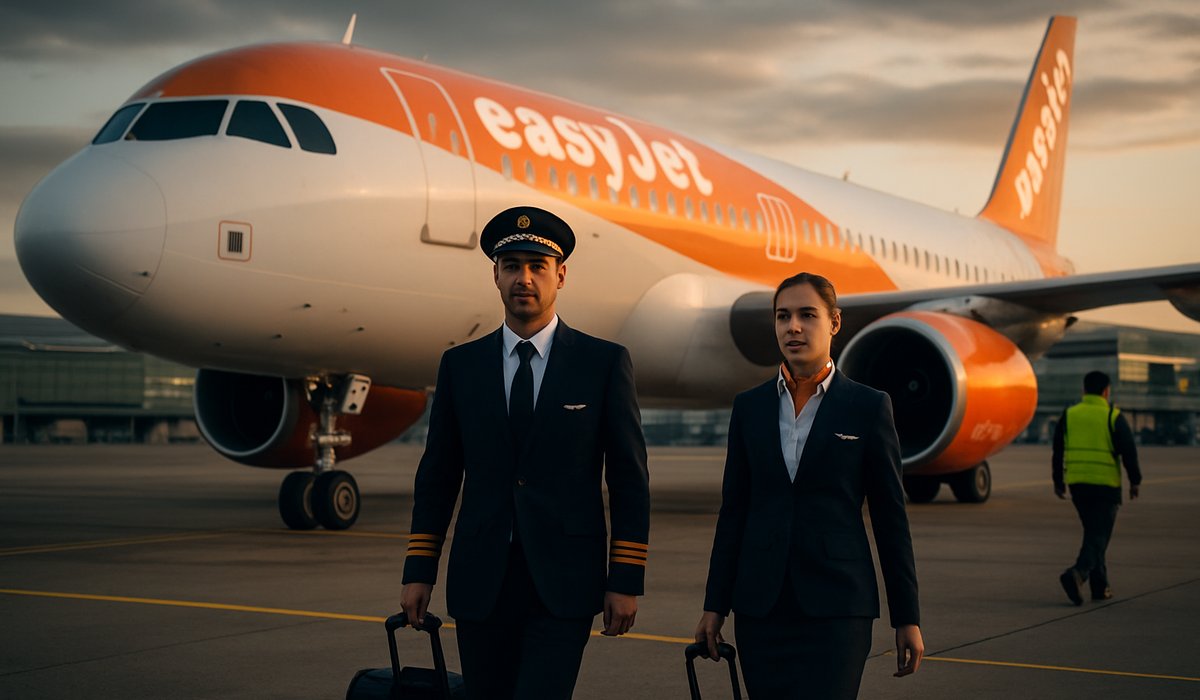
Image generated by AI
EasyJet Rejects £4.7 Billion Castlelake Takeover Bid, Accuses Buyer of Predatory Pricing
Low-cost carrier stands firm against US investment firm's third acquisition attempt, claiming undervaluation of fleet and market position
Repeated Takeover Rejected Amid Valuation Dispute
EasyJet has decisively rejected a £4.7 billion (approximately $6.2 billion USD) acquisition proposal from US-based investment firm Castlelake, marking the third unsuccessful takeover attempt by the American company. The budget airline's board characterized the bid as opportunistic, arguing that even Castlelake's increased offer—which added £0.25 per share to its previous proposal—fundamentally misrepresents the carrier's true value and strategic assets.
The rejection signals a critical standoff in aviation industry consolidation, coming at a time when the sector faces mounting pressures from volatile jet fuel prices, inflationary operating costs, and evolving airline fee structures that impact profitability margins across carriers.
The Valuation Gap Widens
EasyJet's resistance centers on the assertion that Castlelake's pricing fails to account for the substantial value embedded in its fleet, route network, and market position as Europe's leading low-cost carrier by seat capacity. The airline's leadership indicated that the revised offer, despite its modest per-share increase, continues to significantly undervalue shareholder interests and long-term growth potential.
Industry analysts note that the rejection reflects broader confidence among established carriers that acquisition valuations remain depressed relative to underlying asset worth—a dynamic influenced by temporary headwinds rather than fundamental deterioration in aviation fundamentals.
Castlelake's Next Move Remains Uncertain
With three proposals now rejected, Castlelake faces a critical decision: abandon pursuit of easyJet entirely or craft a substantially more competitive offer. The investment firm has not publicly signaled its intentions following this latest rebuff, leaving market observers uncertain about whether the acquisition effort will continue or conclude.
The dispute underscores growing confidence within easyJet's leadership regarding the carrier's trajectory, particularly as airline fees, ancillary revenue streams, and operational efficiency improvements position budget carriers favorably for post-inflation recovery periods.
Broader Industry Context
The takeover drama occurs within a volatile aviation environment characterized by fluctuating jet fuel prices, evolving baggage charge policies, and intensifying competition among low-cost operators. These dynamics have created simultaneous pressures—constraining margins while simultaneously making established carriers like easyJet increasingly attractive as acquisition targets for private equity and strategic investors seeking stable cash generation.
Frequently Asked Questions
Why is Castlelake interested in acquiring easyJet? Investment firms target established low-cost carriers like easyJet for their predictable revenue models, extensive European route networks, and ancillary income from baggage charges and seat selection fees. These businesses generate consistent cash flows attractive to private equity investors.
How do jet fuel prices affect airline acquisition valuations? Elevated jet fuel costs compress airline profit margins, potentially depressing acquisition prices. Conversely, lower fuel costs enhance profitability forecasts, supporting higher valuations—a dynamic that may influence Castlelake's next bidding strategy.
What are airline fees and how do they impact takeover valuations? Baggage charges, seat selection fees, and ancillary services represent significant revenue streams for budget carriers. These recurring income sources substantially increase takeover valuations by demonstrating reliable, margin-friendly revenue generation independent of ticket pricing.
Could easyJet face other acquisition attempts? Yes. The repeated bidding by Castlelake suggests robust investor interest in budget aviation assets. Other financial buyers or strategic competitors may launch competing proposals if easyJet's share price declines.
How does the aviation industry typically respond to rejected takeover bids? Rejected bids often strengthen target company management's position with shareholders while occasionally triggering competitive bidding situations. Market dynamics and fuel price trends ultimately determine whether acquisition pursuits resurface.
Related Travel Guides
External Resources
Disclaimer
This article is for informational and educational purposes only. It does not constitute legal, financial, or professional advice. While we strive to provide accurate and up-to-date information, travel policies, regulations, and conditions change rapidly. Always verify information with official sources before making travel decisions. Nomad Lawyer makes no representations about the accuracy, reliability, completeness, or suitability of the information provided. Readers should consult qualified professionals for advice specific to their circumstances. The views expressed in this article are those of the author and do not necessarily reflect the views of Nomad Lawyer.
Raushan Kumar
Founder & Lead Developer
Full-stack developer with 11+ years of experience and a passionate traveller. Raushan built Nomad Lawyer from the ground up with a vision to create the best travel and law experience on the web.
Learn more about our team →