
United Airlines Flight Diverted Over Unruly Passenger Incident, Airline Dumps $30,000 in Fuel Over Pacific
Breaking airline news and aviation industry updates for 2026.

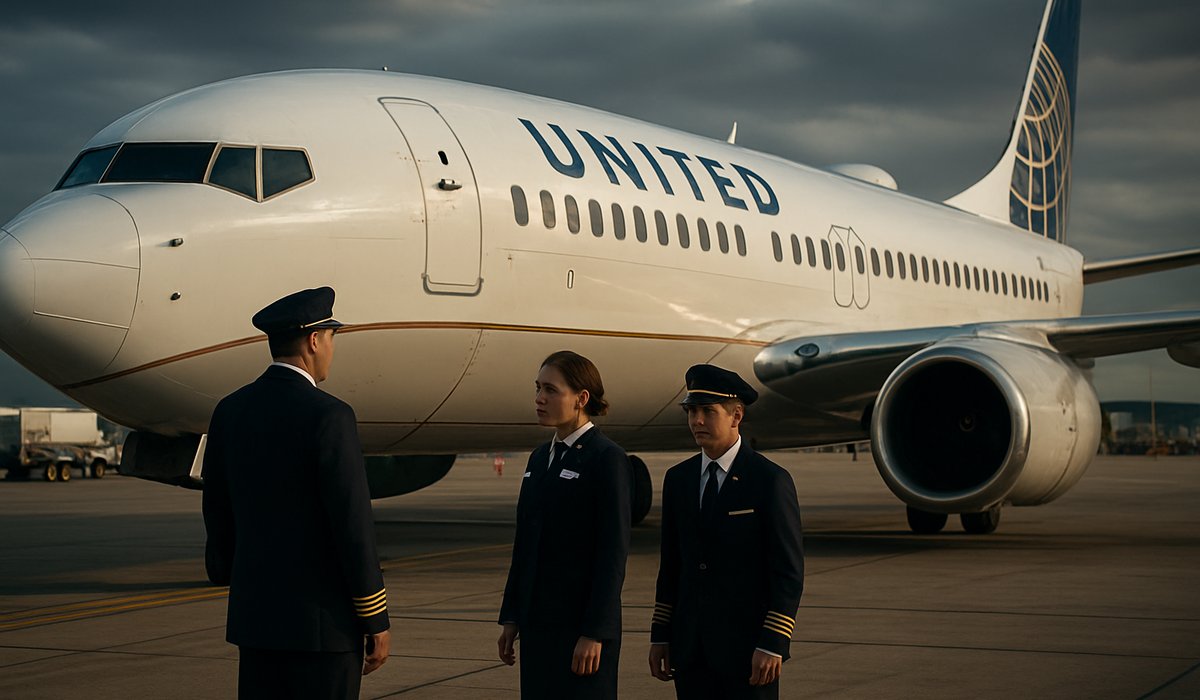
Image generated by AI
United Airlines Flight Diverted Over Unruly Passenger Incident, Airline Dumps $30,000 in Fuel Over Pacific
Boeing 777 forced to land in Tokyo after mid-flight disturbance; operational costs mount as aviation industry faces escalating passenger behavior challenges
Passenger Altercation Forces Emergency Diversion
A United Airlines flight operating between Shanghai and San Francisco encountered a serious disruption on June 24 when disruptive passenger behavior escalated mid-flight, forcing pilots to declare an emergency and divert to Tokyo Narita Airport. United Airlines flight 858, a Boeing 777-300ER carrying 285 passengers and 16 crew members, departed Shanghai Pudong International Airport at 12:43 PM local time but never reached its intended California destination.
The incident underscores mounting challenges facing global carriers as in-flight passenger misconduct incidents continue to spike across the aviation industry, straining crew resources and imposing significant operational costs on airlines.
Fuel Jettison Adds $30,000 to Incident Costs
In a move required by aviation safety protocols, the aircraft released approximately $30,000 worth of jet fuel over the Pacific Ocean prior to executing its emergency descent into Tokyo. This fuel dumping procedure—standard practice when aircraft must land urgently before completing their scheduled flight—represents a direct financial loss that extends beyond immediate diversion expenses.
The jettison operation highlights the compounding financial impact of passenger-related incidents on airline operations. Beyond fuel costs, carriers must absorb expenses including crew overtime, passenger accommodation, aircraft repositioning, and regulatory investigations.
Growing Industry Burden from Passenger Misconduct
The United Airlines diversion reflects a troubling trend within the aviation sector. Federal authorities and industry groups have reported a substantial increase in unruly passenger incidents since 2021, with some years recording hundreds of documented cases across U.S. carriers alone. These disruptions force operational delays, compromise crew safety, and create cascading consequences across entire flight networks.
Airlines have responded by implementing stricter enforcement policies, enhanced crew training protocols, and coordinated reporting mechanisms. However, enforcement remains inconsistent across jurisdictions, particularly on international routes where regulatory authority becomes ambiguous.
Operational and Financial Implications
The financial burden of such incidents extends beyond the $30,000 fuel loss. Unscheduled landings require ground services coordination, potentially overnight crew accommodations, passenger rebooking on alternative flights, and aircraft maintenance inspections. These cumulative costs can easily exceed six figures per incident.
For United Airlines, which operates one of North America's largest transpacific networks, such disruptions carry particular significance given the carrier's focus on maintaining operational reliability across its Asian routes—critical revenue generators for the company's international division.
Frequently Asked Questions
What are the main causes of aircraft fuel dumping procedures? Fuel jettison typically occurs when aircraft must make emergency landings before burning sufficient fuel to reach safe landing weight limits, preventing structural stress on landing gear and airframe components.
How much does jet fuel cost the airline industry annually? Global aviation fuel expenses represent a multi-billion dollar sector, with price volatility directly impacting airline profit margins and ticket pricing. Current fuel prices significantly exceed pre-pandemic levels.
What legal consequences do unruly passengers face? Passengers can face federal fines up to $37,000, permanent flight bans, criminal charges, and civil liability for disruption-related costs incurred by airlines.
How do passenger incidents affect airline scheduling and costs? Diversions cause cascading delays across multiple flights, requiring crew repositioning, passenger accommodations, and aircraft maintenance inspections, collectively adding tens of thousands in unplanned expenditures per incident.
What preventive measures are airlines implementing? Enhanced pre-flight briefings, stricter alcohol service policies, expanded crew de-escalation training, and increased coordination with law enforcement represent current industry standards for incident prevention.
Related Travel Guides
External Resources
Disclaimer
This article is for informational and educational purposes only. It does not constitute legal, financial, or professional advice. While we strive to provide accurate and up-to-date information, travel policies, regulations, and conditions change rapidly. Always verify information with official sources before making travel decisions. Nomad Lawyer makes no representations about the accuracy, reliability, completeness, or suitability of the information provided. Readers should consult qualified professionals for advice specific to their circumstances. The views expressed in this article are those of the author and do not necessarily reflect the views of Nomad Lawyer.
Raushan Kumar
Founder & Lead Developer
Full-stack developer with 11+ years of experience and a passionate traveller. Raushan built Nomad Lawyer from the ground up with a vision to create the best travel and law experience on the web.
Learn more about our team →