
America's Final Piston-Engine Airliner: The Douglas DC-7's Historic Legacy in Modern Aviation
Breaking airline news and aviation industry updates for 2026.

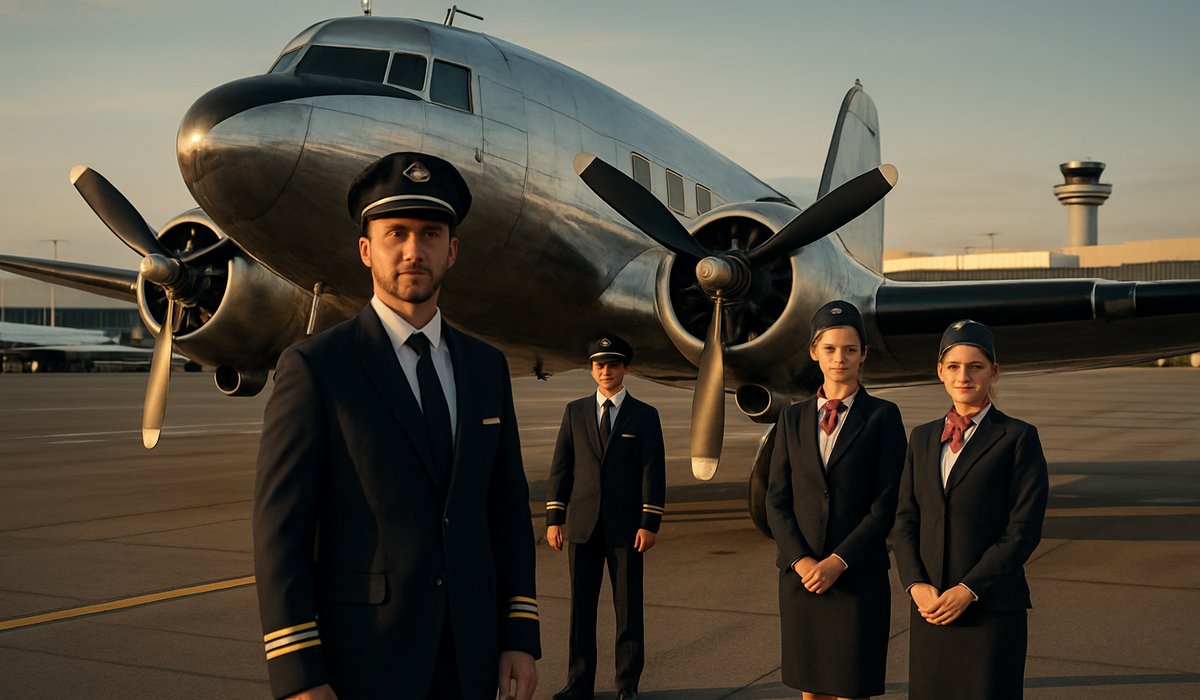
Image generated by AI
America's Final Piston-Engine Airliner: The Douglas DC-7's Historic Legacy in Modern Aviation
As jet propulsion revolutionized commercial flight, one iconic aircraft remained a symbol of aviation's mechanical golden age
The Last Roar of Reciprocating Engines
The distinctive thunder of piston-engine propellers has largely faded from commercial aviation's skyline, replaced by the efficient whine of jet turbines and modern turboprops. Yet these mechanical marvels—relics of aviation's formative decades—persist in unexpected places: museum collections, heritage flight operations, and the imagination of aviation enthusiasts worldwide. Among these vintage aircraft, including celebrated examples like the Douglas DC-3 and DC-6, one machine stands apart as a singular achievement: the Douglas DC-7, recognized as the final piston-powered airliner to serve as America's flagship carrier.
A Monument to Pre-Jet Aviation Engineering
The Douglas DC-7 represented the zenith of reciprocating-engine aircraft design, embodying years of incremental improvements and engineering refinement that manufacturers pursued before the jet age fundamentally transformed commercial transportation. Unlike its predecessors, the DC-7 incorporated advanced features that extended the viability of piston-powered flight even as the industry pivoted decisively toward jet propulsion.
The aircraft emerged during a transitional period in aviation history, when airlines were caught between maintaining proven, reliable piston-engine fleets and investing in revolutionary—but unproven—jet technology. The DC-7 attempted to bridge that gap, offering enhanced range, speed, and payload capacity that rivaled early jet competitors, at least temporarily.
Legacy in Modern Aviation Context
Today, surviving DC-7 aircraft occupy a unique niche in global aviation heritage. Whether displayed as static exhibits in museums or occasionally taking to the skies as living demonstrations of mid-20th-century engineering, these machines serve as tangible connections to an era when pilots manually managed complex mechanical systems and long-haul flights demanded genuine endurance from crew and passengers alike.
The transition from piston to jet propulsion fundamentally reshaped commercial air travel economics, reducing flight times, improving safety margins, and eventually lowering operational costs—factors that contemporary airlines continue to leverage in managing jet fuel prices and operational efficiency.
The Significance for Aviation History
The DC-7's status as America's last great piston-powered airliner underscores a critical inflection point in transportation history. It marks the boundary between mechanical aviation and the jet age, representing the final evolutionary step in a design philosophy that governed aircraft development for three decades.
For historians and aviation professionals alike, the DC-7 remains a crucial artifact in understanding how the airline industry navigated technological disruption—a relevant lesson as modern carriers face contemporary challenges ranging from fuel sustainability to fleet modernization.
Frequently Asked Questions
What made the Douglas DC-7 unique among piston-engine airliners? The DC-7 was engineered as the final, most advanced iteration of piston-powered commercial aircraft, incorporating technological improvements that extended the competitive viability of reciprocating engines during the early jet age.
How many Douglas DC-7 aircraft remain in existence today? While specific numbers vary, surviving DC-7s are exceptionally rare and typically preserved in aviation museums or heritage flight organizations rather than active commercial service.
Why did airlines transition from piston engines to jet propulsion? Jets offered superior speed, reliability, range, and eventually lower per-seat operating costs, fundamentally transforming commercial aviation economics and passenger experience.
Are any piston-engine aircraft still used in commercial aviation? Modern commercial aviation relies exclusively on jet and turboprop engines. Piston aircraft operate primarily in cargo, agricultural, and recreational sectors.
Where can aviation enthusiasts see historic DC-7 aircraft today? Several museums and aviation heritage organizations maintain DC-7 examples, with occasional special flight demonstrations showcasing these mechanical relics for educational purposes.
Related Travel Guides
Flight Delay Compensation Guide 2026
Understanding Airline Route Changes
Airport Security Process Updated (2026)
External Resources
Disclaimer
This article is for informational and educational purposes only. It does not constitute legal, financial, or professional advice. While we strive to provide accurate and up-to-date information, travel policies, regulations, and conditions change rapidly. Always verify information with official sources before making travel decisions. Nomad Lawyer makes no representations about the accuracy, reliability, completeness, or suitability of the information provided. Readers should consult qualified professionals for advice specific to their circumstances. The views expressed in this article are those of the author and do not necessarily reflect the views of Nomad Lawyer.
Raushan Kumar
Founder & Lead Developer
Full-stack developer with 11+ years of experience and a passionate traveller. Raushan built Nomad Lawyer from the ground up with a vision to create the best travel and law experience on the web.
Learn more about our team →