
The Hidden Costs of Owning a Smoky Mountain Cabin (That No One Tells You About)
Discover the real cost of owning a cabin in Gatlinburg and the hidden expenses new owners miss, plus a simple budget to test any deal before you buy.

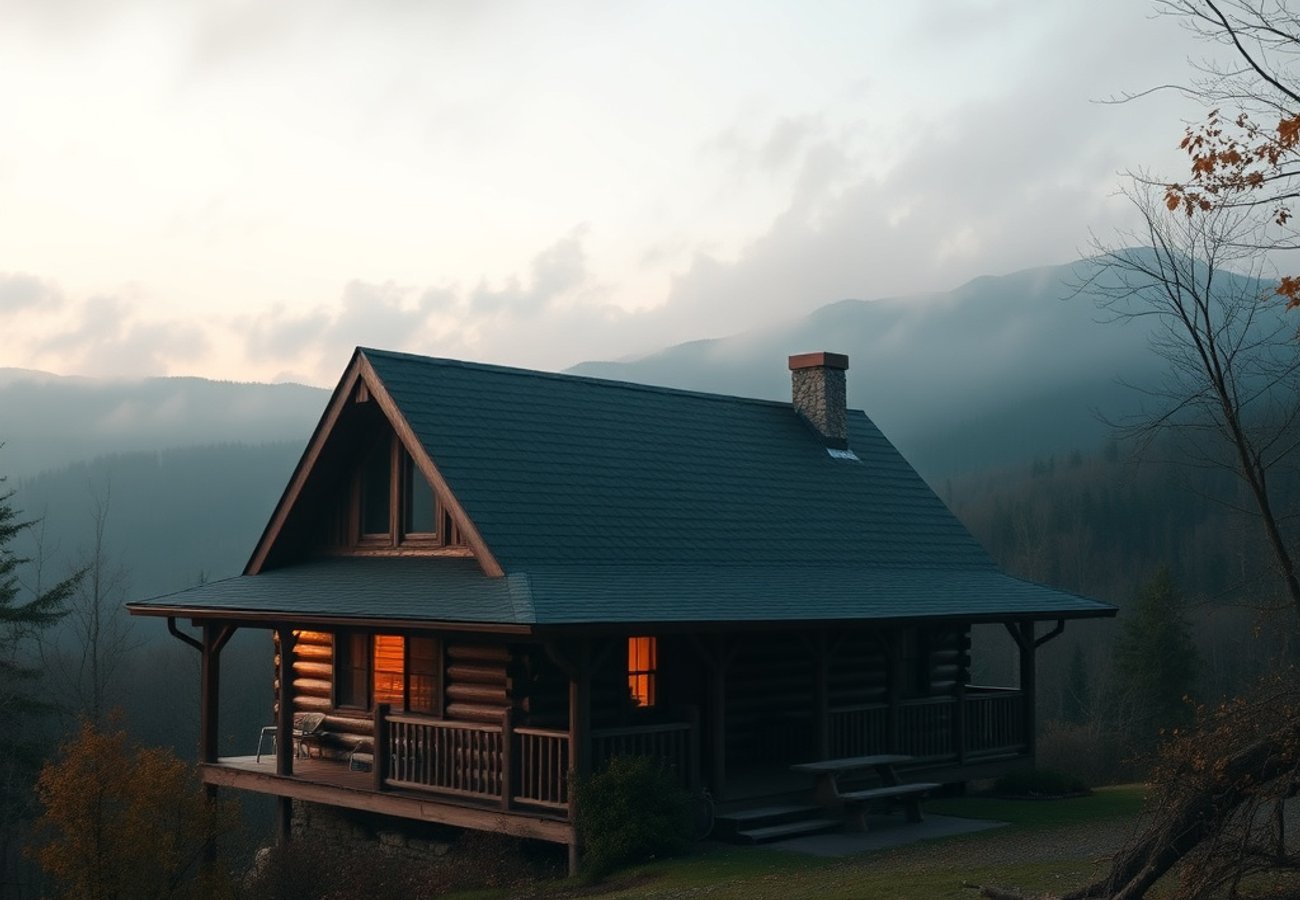
Image generated by AI
The Hidden Costs of Owning a Smoky Mountain Cabin (That No One Tells You About)
The nightly rate on a Gatlinburg cabin looks irresistible. Then the first owner statement lands, and the math gets real.
Most new owners budget for the mortgage and little else. This guide breaks down the recurring costs specific to Smoky Mountain rental ownership, and how seasoned owners budget for them before they buy.
What Does It Actually Cost to Own a Cabin in Gatlinburg?
Beyond the mortgage, the cost of owning a rental cabin in Gatlinburg comes down to five categories. If you miss any one of them, your projections fall apart.
Demand is not the problem here. The Smokies offer the kind of scenery that lands destinations on lists of places that barely look real, and guests pay accordingly. Travelers comparing cabin markets can also look at guide to Tennessee mountain towns, where Gatlinburg stands out as a main gateway to the Smokies. The costs are what catch owners off guard.
Management Commission
The biggest line item by far. Most East Tennessee companies take 20 to 40 percent of gross rental revenue in exchange for marketing, booking, and guest support.
Monthly Recurring Fees
Electricity, water, internet, cable, security monitoring, and pest control are billed monthly whether the cabin is booked or not. Mountain utility bills swing hard with the seasons.
Maintenance and Turnovers
Cleaning fees, linen replacement, light bulbs, batteries, and the steady drip of small repairs that come with strangers using your property 200 nights a year.
Fixed Annual Expenses
Property taxes, short-term rental insurance, business licenses, and HOA dues, where applicable. Insurance on a rental cabin costs noticeably more than a standard homeowner policy.
Large‑System Reserves
HVAC units, roofs, decks, and water heaters all wear out faster under rental traffic. Owners who skip this category end up funding it later with a credit card.
The Mountain Tax: Costs Unique to Smokies Cabins
A rental condo in Florida and a cabin in the Smokies do not cost the same to run. Buyers who are priced out of Gatlinburg often compare nearby Smokies communities, but lower nightly rates do not erase the same mountain maintenance costs. With more than 12 million visitors pouring into Great Smoky Mountains National Park each year, rental cabins absorb serious traffic, and the mountains add their own line items.
Hot Tub Service
In this market, a hot tub is not optional. It needs a drain, scrub, and refill between stays, plus chemicals and eventual replacement of the heater or pump. Budget for service on every single turnover.
Steep‑Grade Driveway Upkeep
Many cabins sit on gravel drives carved into a hillside. Heavy rain washes gravel downhill, winter ice demands treatment, and a bad storm can mean regrading. Flatlanders never see this expense coming.
Well and Septic Systems
Remote cabins often run on both. Septic tanks sized for a family take a beating from back‑to‑back groups of twelve, and pumping, inspections, and the occasional drain field repair all land on you.
The Smaller Stuff Adds Up Too
Constant humidity means more frequent exterior staining and pest control. Bear‑resistant trash containers are a real cost in some areas. And after every major windstorm, somebody is paying a tree crew.
How East Tennessee Management Commissions Actually Work
Here is where new owners get the biggest surprise. Two companies can quote "the same" commission and produce wildly different owner statements.
The Headline Percentage Is Only the Start
Most local companies use a split of gross rental revenue, commonly between 60/40 and 80/20 in the owner's favor. Some use tiered structures where your split improves as the cabin earns more.
What Matters Is What the Split Covers
The hospitality world has always separated property ownership from property management, as the franchise model behind big hotel brands shows. Cabin management works the same way, and the details of that arrangement decide your income.
Read the Bill‑Backs, Not the Brochure
A 75/25 split with heavy bill‑backs can net you less than a 65/35 split with everything included. This is exactly why it pays to understand what to know before handing your cabin to a management company before you sign anything.
A Simple Annual Budget to Pressure‑Test Any Cabin Deal
Before you make an offer, run the deal through this back‑of‑napkin test. A cabin is a small business, and like any venture worth starting, it deserves ten minutes of honest math.
Start With Conservative Revenue
Take a realistic annual gross, not the listing agent's best October multiplied by twelve. For this example, say a two‑bedroom cabin grosses $60,000 a year.
Subtract the Commission
At a 70/30 split, $18,000 goes to management. You are at $42,000.
Subtract Monthly Recurring Costs
Utilities, internet, security, and pest control at roughly $700 a month remove another $8,400. You are at $33,600.
Hold Back a Maintenance Reserve
Seasoned owners set aside 8 to 10 percent of gross revenue for repairs, hot tub service, and future big‑ticket replacements. That is $6,000 here, leaving $27,600.
Subtract Fixed Expenses
Property taxes and short‑term rental insurance might run $5,7
Disclaimer
This article is for informational and educational purposes only. It does not constitute legal, financial, or professional advice. While we strive to provide accurate and up-to-date information, travel policies, regulations, and conditions change rapidly. Always verify information with official sources before making travel decisions. Nomad Lawyer makes no representations about the accuracy, reliability, completeness, or suitability of the information provided. Readers should consult qualified professionals for advice specific to their circumstances. The views expressed in this article are those of the author and do not necessarily reflect the views of Nomad Lawyer.
Preeti Gunjan
Contributor & Community Manager
A passionate traveller and community builder. Preeti helps grow the Nomad Lawyer community, fostering engagement and bringing the reader experience to life.
Learn more about our team →