
Synchronous Fireflies of Great Smoky Mountains National Park Face Extinction Risks Amid Habitat Loss in 2026
Experts warn that the synchronous fireflies of Great Smoky Mountains National Park are under threat as a third of U.S. firefly species face potential extinction.

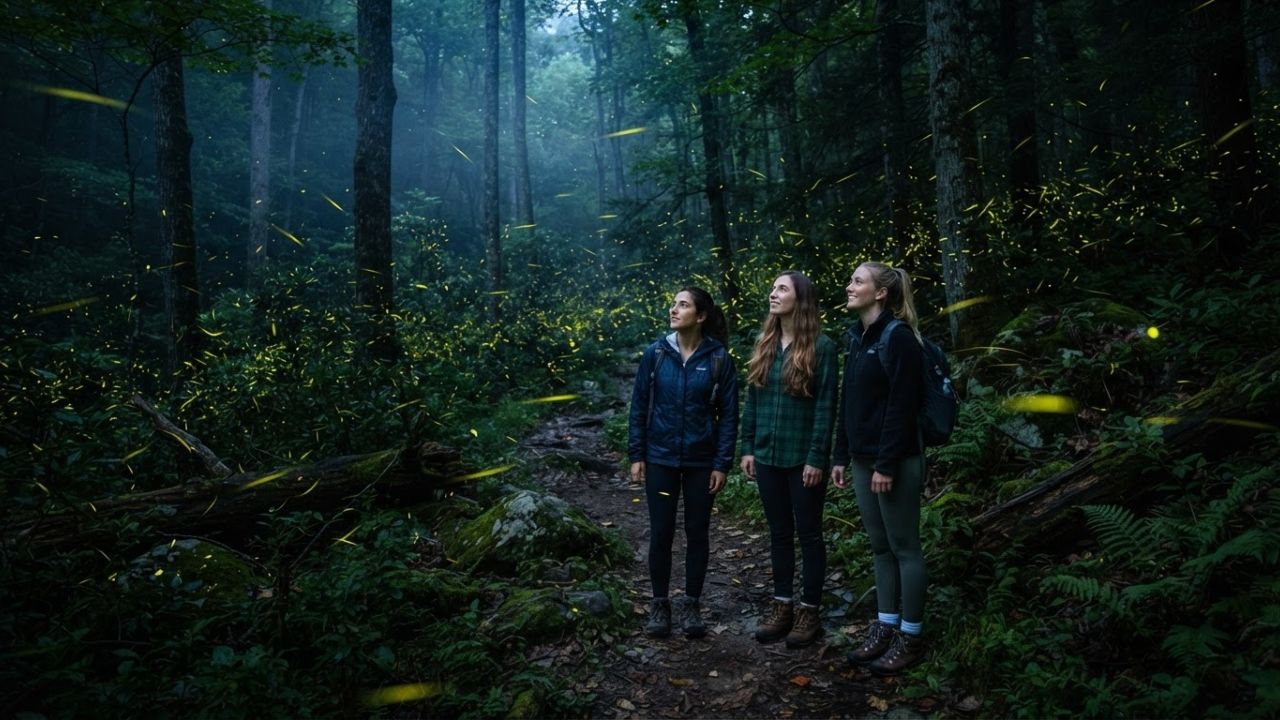
Image generated by AI
[GATLINBURG, TN] — Environmental experts are issuing an urgent warning that the most exclusive natural spectacle in the Great Smoky Mountains National Park may eventually vanish. The synchronous fireflies, which draw thousands of lottery-hopeful visitors annually, are among several dazzling wildlife species currently experiencing a concerning population decline across the United States.
The phenomenon, where thousands of insects flash in unison to create a surreal light show, has become a cornerstone of the park's seasonal appeal. However, scientific data suggests that the insects responsible for this display are under increasing pressure from environmental stressors, threatening the future of one of America's most celebrated National Park experiences.
National Firefly Populations Facing Extinction Threats
Research conducted by the Xerces Society indicates a sobering trend for bioluminescent insects across North America. The United States is home to approximately 175 distinct firefly species, and current data suggests that one-third of these species are now at risk of extinction. While some varieties show more resilience than others, the overarching trajectory for firefly populations is downward.
Industry observers and scientists attribute this decline to a combination of four primary factors: habitat destruction, the proliferation of artificial light pollution, the widespread application of pesticides, and the ongoing effects of climate change. Because lightning bugs require dark, moist environments to complete their short life cycles, human encroachment has proven devastating.
Artificial lighting is particularly disruptive, as it interferes with the specific flashing signals fireflies use to locate and attract mates. Furthermore, chemical pesticides do not only kill the fireflies directly but also eliminate the smaller insects and organic matter that form the basis of their food chain.
Scott Hoffman Black, the executive director of the Xerces Society, has noted that while many people remember fireflies as a ubiquitous part of childhood summers in meadows and parks, they are becoming significantly less common in modern American landscapes. Despite these warnings, conservationists maintain that total disappearance is not inevitable, as some species remain stable. The survival of the rest depends on aggressive habitat protection and a reduction in environmental pressures.
National Park Service Implements Lottery to Protect Elkmont Habitat
As the synchronous fireflies of Great Smoky Mountains National Park gained international fame, the National Park Service (NPS) was forced to intervene to prevent the attraction from destroying itself. The surge in popularity has turned the Elkmont viewing area into a high-demand destination, rivaling local attractions like Dollywood in terms of visitor interest.
To mitigate the damage caused by overcrowding, the NPS established a rigorous annual lottery system. This system limits nighttime access during the critical eight-day viewing window. Only those who secure a vehicle reservation through the lottery or registered guests staying at the Elkmont Campground are permitted entry.
These restrictions serve two primary purposes:
- Habitat Preservation: By capping the number of visitors, the park reduces the accidental crushing of vegetation and protects the forest floor, where female fireflies reside during the mating season.
- Visitor Safety: Controlling the volume of traffic in the dense forest ensures a safer and more organized experience for those who win the lottery.
While the exclusivity of the event adds to its allure, officials warn that the survival of the species depends on factors far beyond the borders of the national park.
Guidelines for Sustainable Wildlife Viewing
Conservationists emphasize that protecting these insects requires a combination of large-scale agency management and small-scale individual action. Whether visiting a national park or observing insects in a residential backyard, specific behaviors can help stabilize firefly populations.
The following practices are recommended by environmental organizations to ensure the survival of bioluminescent species:
| Action | Recommended Practice | Impact on Fireflies |
|---|---|---|
| Lighting | Use red-light filters on flashlights; point them toward the ground. | Prevents interference with mating signals. |
| Movement | Stick strictly to designated trails. | Avoids crushing female fireflies on the forest floor. |
| Interaction | Do not catch, collect, or touch the insects. | Prevents physical harm and stress to the animal. |
| Home Lighting | Reduce unnecessary outdoor lighting during summer. | Maintains the dark corridors needed for navigation. |
| Chemicals | Limit or eliminate the use of pesticides. | Protects the insect and its food sources. |
| Landscaping | Leave leaf litter and fallen branches undisturbed. | Provides essential shelter for the life cycle. |
| Waste | Pack out all trash and follow NPS regulations. | Prevents habitat contamination. |
Why This Matters: The Broader Ecological Impact
The potential loss of the synchronous fireflies in the Great Smoky Mountains is more than just the disappearance of a tourist attraction; it is a biological indicator of wider environmental decay. Unlike the Grand Canyon or Yellowstone's Old Faithful, which are geological wonders of immense scale, the firefly spectacle is a fragile biological event.
The decline of these insects signals a failure in the "dark infrastructure" of the United States. As urban sprawl pushes further into wilderness areas, the loss of true darkness disrupts the reproductive cycles of countless nocturnal species. The firefly serves as a "canary in the coal mine" for the health of our forest floors and the purity of our air and soil.
If the lottery system and habitat protections in the Great Smoky Mountains fail, it suggests that even the most stringent federal protections may be insufficient against the global pressures of climate change and chemical pollution. Preserving these small creatures is an exercise in humility, reminding the travel and aviation industries that the most valuable destinations are often those that are the most fragile.
The future of the Smokies' midnight light show now rests on the balance between human curiosity and environmental restraint.
Related Travel Guides
Disclaimer
This article is for informational and educational purposes only. It does not constitute legal, financial, or professional advice. While we strive to provide accurate and up-to-date information, travel policies, regulations, and conditions change rapidly. Always verify information with official sources before making travel decisions. Nomad Lawyer makes no representations about the accuracy, reliability, completeness, or suitability of the information provided. Readers should consult qualified professionals for advice specific to their circumstances. The views expressed in this article are those of the author and do not necessarily reflect the views of Nomad Lawyer.
Raushan Kumar
Founder & Lead Developer
Full-stack developer with 11+ years of experience and a passionate traveller. Raushan built Nomad Lawyer from the ground up with a vision to create the best travel and law experience on the web.
Learn more about our team →