
Aviation Industry Overhauls Cabin Crew Training to Combat Dual Passenger Crisis Emerging in 2026
Breaking airline news and aviation industry updates for 2026.

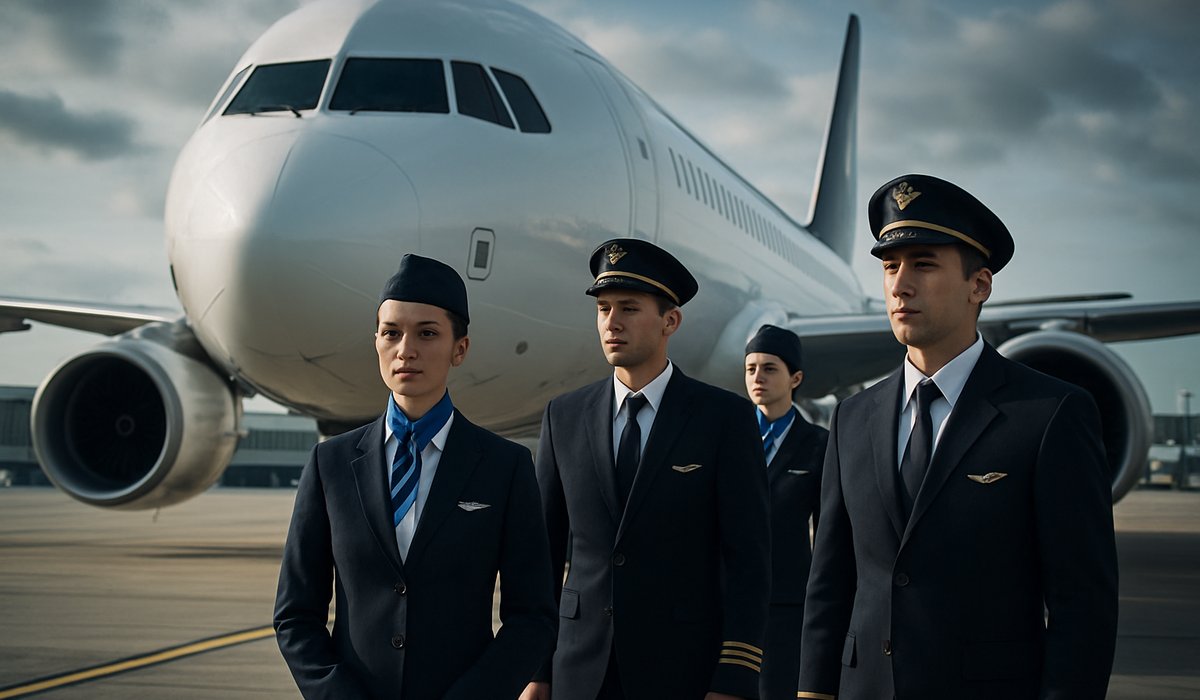
Image generated by AI
Aviation Industry Overhauls Cabin Crew Training to Combat Dual Passenger Crisis Emerging in 2026
As unruly passenger incidents persist despite overall decline, airlines implement comprehensive protocols to prepare staff for simultaneous behavioral emergencies
The New Reality: Managing Two Crises at Once
Airlines worldwide are fundamentally restructuring cabin crew training programs to address an increasingly complex operational challenge: flight attendants now routinely encounter two opposing passenger behavioral crises simultaneously. On one hand, travelers confined by delays or mechanical issues frequently escalate into hostile confrontations. Simultaneously, other passengers experience acute anxiety or panic during routine turbulence and minor operational disruptions.
This dual-crisis phenomenon is forcing the aviation industry to rethink how it prepares staff for real-world cabin management, marking a significant shift in crew training methodology heading into 2026.
FAA Data Reveals Persistent Threat Despite Overall Improvements
Federal Aviation Administration records demonstrate a striking paradox in passenger behavior trends. Disruptive passenger incidents have declined approximately 80 percent since reaching crisis levels in 2021, when the aviation sector experienced unprecedented unruly traveler incidents tied to pandemic-era tensions and mask mandate disputes.
Yet despite these dramatic improvements, the FAA continues documenting concerning patterns. Troublesome passenger conduct remains a persistent operational challenge for carriers, even as raw incident numbers continue declining year-over-year. Industry analysts attribute this stubborn persistence to the complexity of modern travel pressures—including tighter schedules, reduced seat pitch, heightened security protocols, and increasingly crowded airports.
Restructuring Training for Simultaneous Behavioral Management
The emerging training imperative reflects operational realities flight crews now routinely face. A single flight may simultaneously involve an aggressive passenger upset over a three-hour tarmac delay while another traveler exhibits genuine panic symptoms during normal atmospheric turbulence. This requires cabin crews to compartmentalize responses, allocate personnel strategically, and employ differentiated de-escalation techniques.
Airlines are investing in scenario-based training modules that simulate these overlapping crises rather than isolated incidents. Crew members now practice managing limited resources while addressing competing passenger needs—a substantial departure from traditional training frameworks that treated disruptive behavior as singular events.
Industry-Wide Implications for Travel Safety
The restructuring of crew training protocols reflects broader aviation industry trends toward psychological safety and passenger experience optimization. As travelers return to pre-pandemic flying frequencies, industry experts anticipate that stress-related incidents will require sophisticated crew responses balancing compassion, authority, and operational security.
By 2026, enhanced training standards will likely become industry baseline rather than competitive differentiation, fundamentally reshaping how airlines invest in human capital and crew development.
FAQ: Cabin Crew Training and Passenger Safety
Why are airlines changing cabin crew training programs in 2026? Airlines are addressing a dual-crisis scenario where flight attendants must simultaneously manage hostile passengers and anxious travelers—requiring new de-escalation protocols and resource allocation strategies.
Have passenger incidents increased or decreased in recent years? Disruptive passenger incidents have dropped approximately 80% since 2021 peaks, yet remain an ongoing concern for the aviation industry despite overall improvements.
What causes passengers to become hostile during flights? Common triggers include flight delays, mechanical issues causing confinement, reduced amenities, and accumulated travel stress from crowded airports and tight schedules.
How does turbulence affect passenger anxiety and crew management? Routine turbulence can trigger panic episodes in anxious travelers, complicating crew responses when simultaneously managing hostile passengers—requiring differentiated intervention approaches.
Will improved training reduce disruptive passenger incidents further? Enhanced scenario-based training may prevent escalation in some situations, though structural industry factors (delays, crowding, stress) will continue influencing passenger behavior patterns.
Related Travel Guides
- Aviation Updates: Massive Airspace Gridlock Forces Delta Flight DAL9887 to Execute Emergency Diversion Triggering Terrifying East Coast Travel Chaos
- Cathay Pacific Expands Ultra-Long-Haul Airbus A350 Routes Connecting Hong Kong to North America and Europe with Nonstop Flight Times Up to 17 Hours: Latest Update
- Boeing's 777X Fleet Sits Grounded: Over 20 Aircraft Built But Barred From Commercial Flight
Disclaimer
This article is for informational and educational purposes only. It does not constitute legal, financial, or professional advice. While we strive to provide accurate and up-to-date information, travel policies, regulations, and conditions change rapidly. Always verify information with official sources before making travel decisions. Nomad Lawyer makes no representations about the accuracy, reliability, completeness, or suitability of the information provided. Readers should consult qualified professionals for advice specific to their circumstances. The views expressed in this article are those of the author and do not necessarily reflect the views of Nomad Lawyer.
Preeti Gunjan
Contributor & Community Manager
A passionate traveller and community builder. Preeti helps grow the Nomad Lawyer community, fostering engagement and bringing the reader experience to life.
Learn more about our team →