
Boeing's 777X Stuck in Regulatory Limbo: Why the Aviation Industry's Most Delayed Aircraft Remains Grounded
Breaking airline news and aviation industry updates for 2026.

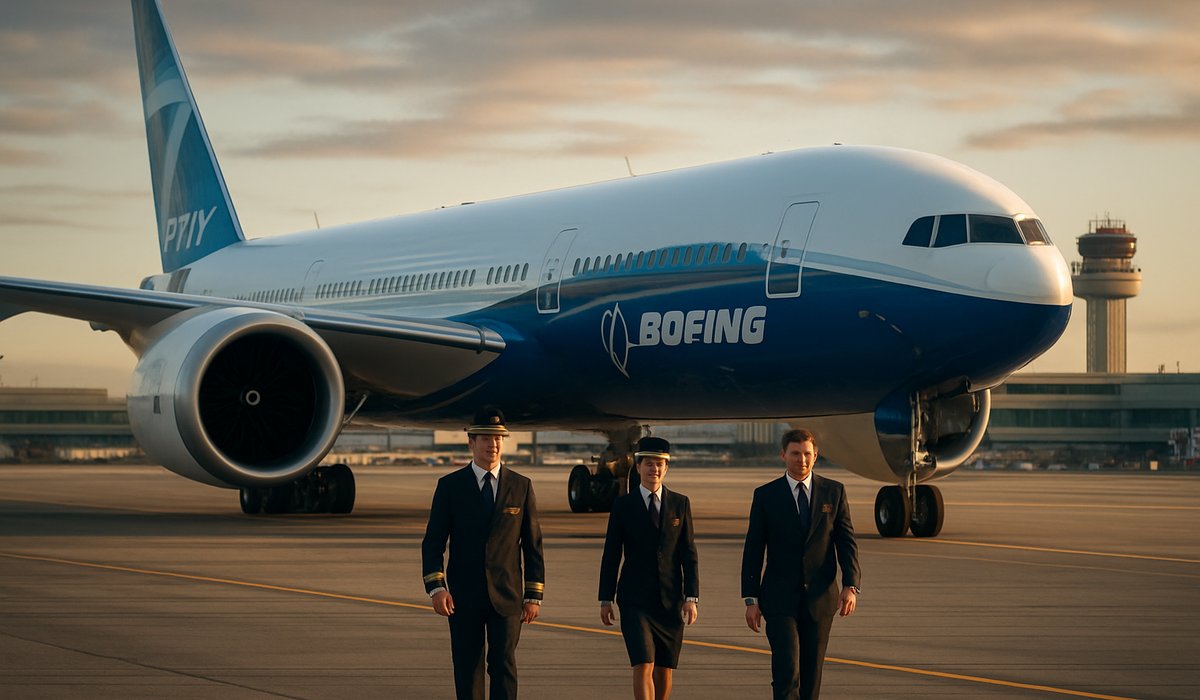
Image generated by AI
Boeing's 777X Stuck in Regulatory Limbo: Why the Aviation Industry's Most Delayed Aircraft Remains Grounded
A program that promised to revolutionize long-haul travel has become a cautionary tale of certification delays, manufacturing setbacks, and cascading losses for the world's largest airlines
The Aircraft That Never Took Flight
Boeing's 777X was meant to redefine premium long-haul aviation. When the aerospace manufacturer unveiled its flagship wide-body program, the aircraft represented a generational leap forward—promising greater fuel efficiency, extended range, and revolutionary cabin redesigns that would appeal to carriers operating on the world's most lucrative international routes.
Major global airlines placed enormous faith in the project. Emirates, Qatar Airways, Cathay Pacific, and Singapore Airlines collectively ordered hundreds of aircraft, banking on a 2020 entry-into-service date. The 777X would build upon the legendary success of the 777-300ER, the workhorse of transcontinental travel, while incorporating next-generation technologies to reduce operating costs amid volatile jet fuel prices.
Yet nearly a decade later, the aircraft remains confined to the tarmac—a symbolic reminder of how certification challenges, manufacturing defects, and regulatory scrutiny can derail even the most anticipated aerospace programs.
Manufacturing Missteps and Certification Standstill
The 777X's development timeline has been marked by repeated setbacks that extended delivery schedules year after year. Initial manufacturing complications revealed structural issues and design flaws that required comprehensive redesigns, pushing the aircraft further behind schedule.
More significantly, regulatory bodies—particularly the Federal Aviation Administration (FAA)—launched exhaustive certification reviews following Boeing's broader safety culture challenges in preceding years. These investigations intensified scrutiny of every component, system, and design element of the 777X, effectively halting progress toward the commercial airworthiness certificate required for revenue operations.
The cumulative effect: an aircraft that has spent vastly more time grounded than in actual test flights—a stunning reversal for a program that once represented the future of commercial aviation.
Cascading Consequences for Airlines and the Industry
The prolonged delays have created a domino effect throughout the aviation sector. Airlines that committed to the 777X faced operational planning disruptions, forcing them to extend the service lives of aging aircraft while managing rising jet fuel costs and increased maintenance expenses. Carriers like Emirates and Singapore Airlines—which depend heavily on long-haul capacity for their business models—have experienced revenue pressures as they compensate for aircraft delivery shortfalls.
These delays also altered competitive dynamics within the wide-body market, allowing Airbus competitors like the A350 to capture additional orders and market share.
The Path Forward Remains Uncertain
As Boeing navigates ongoing manufacturing challenges and FAA certification processes, the 777X's fate remains suspended in regulatory limbo—a far cry from its ambitious origins.
FAQ: Understanding the Boeing 777X Grounding
When was the Boeing 777X supposed to enter service? Boeing originally targeted 2020 as the entry-into-service date for commercial operations.
Which airlines ordered the 777X? Emirates, Qatar Airways, Cathay Pacific, and Singapore Airlines were among the major carriers with significant commitments.
Why is the 777X still grounded? The aircraft faces FAA certification delays stemming from manufacturing defects, design complications, and intensified regulatory oversight following broader Boeing safety concerns.
How does this affect airline operations? Airlines have experienced capacity shortfalls, extended aircraft lifecycles, and increased operating costs while awaiting deliveries.
What is the competitive impact on the aviation industry? The delays have allowed competitors like Airbus's A350 to gain market share in the premium long-haul segment.
Related Travel Guides
External Resources
Disclaimer
This article is for informational and educational purposes only. It does not constitute legal, financial, or professional advice. While we strive to provide accurate and up-to-date information, travel policies, regulations, and conditions change rapidly. Always verify information with official sources before making travel decisions. Nomad Lawyer makes no representations about the accuracy, reliability, completeness, or suitability of the information provided. Readers should consult qualified professionals for advice specific to their circumstances. The views expressed in this article are those of the author and do not necessarily reflect the views of Nomad Lawyer.
Preeti Gunjan
Contributor & Community Manager
A passionate traveller and community builder. Preeti helps grow the Nomad Lawyer community, fostering engagement and bringing the reader experience to life.
Learn more about our team →