
Only Two Airlines Still Operate Onboard Shower Suites in 2026: A Luxury That Defies Aviation Economics
Breaking airline news and aviation industry updates for 2026.

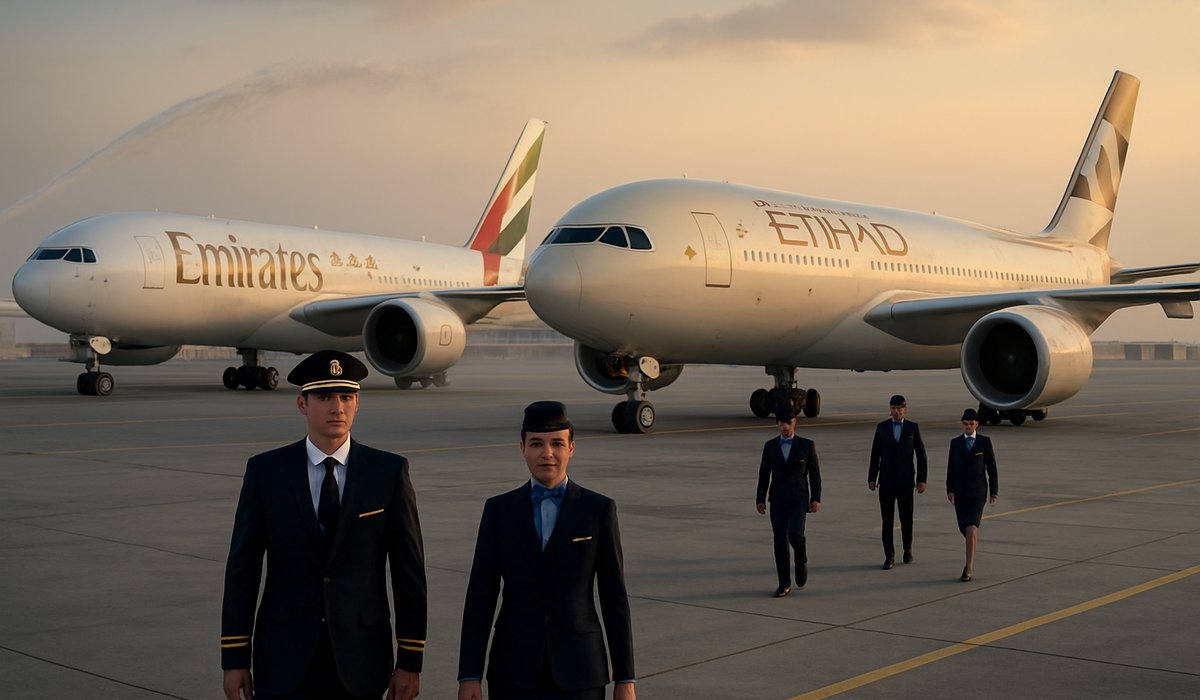
Image generated by AI
Only Two Airlines Still Operate Onboard Shower Suites in 2026: A Luxury That Defies Aviation Economics
As carriers worldwide strip amenities to combat rising operational costs, two carriers maintain ultra-premium bathing facilities at 35,000 feet
The Rarest Luxury in Commercial Aviation
In an era where airlines are aggressively cutting costs—from baggage fees to premium meal services—exactly two carriers continue to operate functional shower suites onboard their aircraft, representing one of aviation's most exclusive and logistically complex amenities.
The persistence of onboard showers underscores a fundamental divide in the global aviation market: while budget and full-service carriers alike are tightening operational belts amid volatile jet fuel prices and labor cost pressures, a handful of ultra-premium operators are doubling down on amenities that separate their first-class and business-class products from competitors.
Why Showers Remain an Engineering Rarity
The engineering challenges behind onboard shower facilities are substantial. Aircraft water systems require significant weight additions—each gallon of water adds approximately 8.3 pounds to total aircraft mass, directly increasing fuel consumption and operational expenses. A fully functional shower suite demands specialized plumbing infrastructure, drainage systems, and pressure-regulation equipment, all of which compound aircraft complexity and maintenance requirements.
Beyond the structural burden, shower facilities occupy premium cabin real estate that could otherwise accommodate additional high-yield seating or revenue-generating services. Most international carriers have concluded that the return on investment simply doesn't justify the operational overhead, particularly as airlines face persistent pressure from elevated fuel surcharges and inflationary pressures on crew wages and maintenance costs.
The Two Exceptions to Industry Consolidation
Despite these formidable obstacles, two carriers have maintained their commitment to onboard shower infrastructure as a cornerstone of their ultra-premium positioning strategy. These airlines view the amenity not merely as functional infrastructure but as a differentiator capable of commanding premium pricing in competitive long-haul markets.
The decision reflects a calculated bet that an extremely limited passenger segment—corporate executives, high-net-worth individuals, and frequent premium flyers—will pay substantial ticket premiums for amenities that fundamentally transform the long-haul travel experience.
Broader Industry Implications
The divergence illustrates how the aviation industry is stratifying into distinct market segments. While carriers operating narrow-body fleets and competing on price continue trimming every conceivable expense to maintain margin in competitive markets, select long-haul specialists are pursuing ultra-luxury positioning as a sustainable profitability strategy.
As geopolitical uncertainties and fuel volatility continue shaping airline economics, the question remains whether such capital-intensive amenities represent sustainable business strategy or increasingly anachronistic luxury in a cost-conscious aviation landscape.
FAQ: Onboard Shower Suites and Premium Aviation Amenities
What airlines currently offer onboard shower facilities? Two carriers currently operate functional shower suites in their premium cabins as of 2026, though both maintain these amenities exclusively on select long-haul aircraft.
Why do most airlines avoid installing shower systems? Onboard showers add significant aircraft weight, require complex plumbing infrastructure, occupy valuable cabin space, and increase maintenance complexity—expenses that most carriers cannot justify given current aviation economics and jet fuel prices.
How much does an onboard shower add to aircraft weight? Each gallon of water weighs approximately 8.3 pounds. A full shower system, including plumbing, drainage, pressure regulation, and water storage, can add hundreds of pounds to total aircraft mass, directly increasing fuel consumption on long-haul routes.
Are shower suites standard in first class? No. Even among premium carriers, onboard showers remain extraordinarily rare. Most first-class and business-class products have moved toward lie-flat seats, larger screens, gourmet dining, and onboard lounges instead.
Will more airlines introduce shower amenities in the future? Current industry trends suggest the opposite. Rising operational costs, jet fuel volatility, and labor expenses continue pressuring airlines to eliminate rather than introduce complex new amenities, making onboard showers increasingly exclusive to ultra-premium niche operators.
Related Travel Guides
External Resources
Disclaimer
This article is for informational and educational purposes only. It does not constitute legal, financial, or professional advice. While we strive to provide accurate and up-to-date information, travel policies, regulations, and conditions change rapidly. Always verify information with official sources before making travel decisions. Nomad Lawyer makes no representations about the accuracy, reliability, completeness, or suitability of the information provided. Readers should consult qualified professionals for advice specific to their circumstances. The views expressed in this article are those of the author and do not necessarily reflect the views of Nomad Lawyer.
Kunal K Choudhary
Co-Founder & Contributor
A passionate traveller and tech enthusiast. Kunal contributes to the vision and growth of Nomad Lawyer, bringing fresh perspectives and driving the community forward.
Learn more about our team →