
Best Neighborhoods for Commuting to Downtown Atlanta in 2026: Rent and Transit Guide
Optimize your Atlanta commute with our 2026 guide to the best neighborhoods for Downtown access, featuring current rental data, MARTA transit links, and local lifestyle insights.

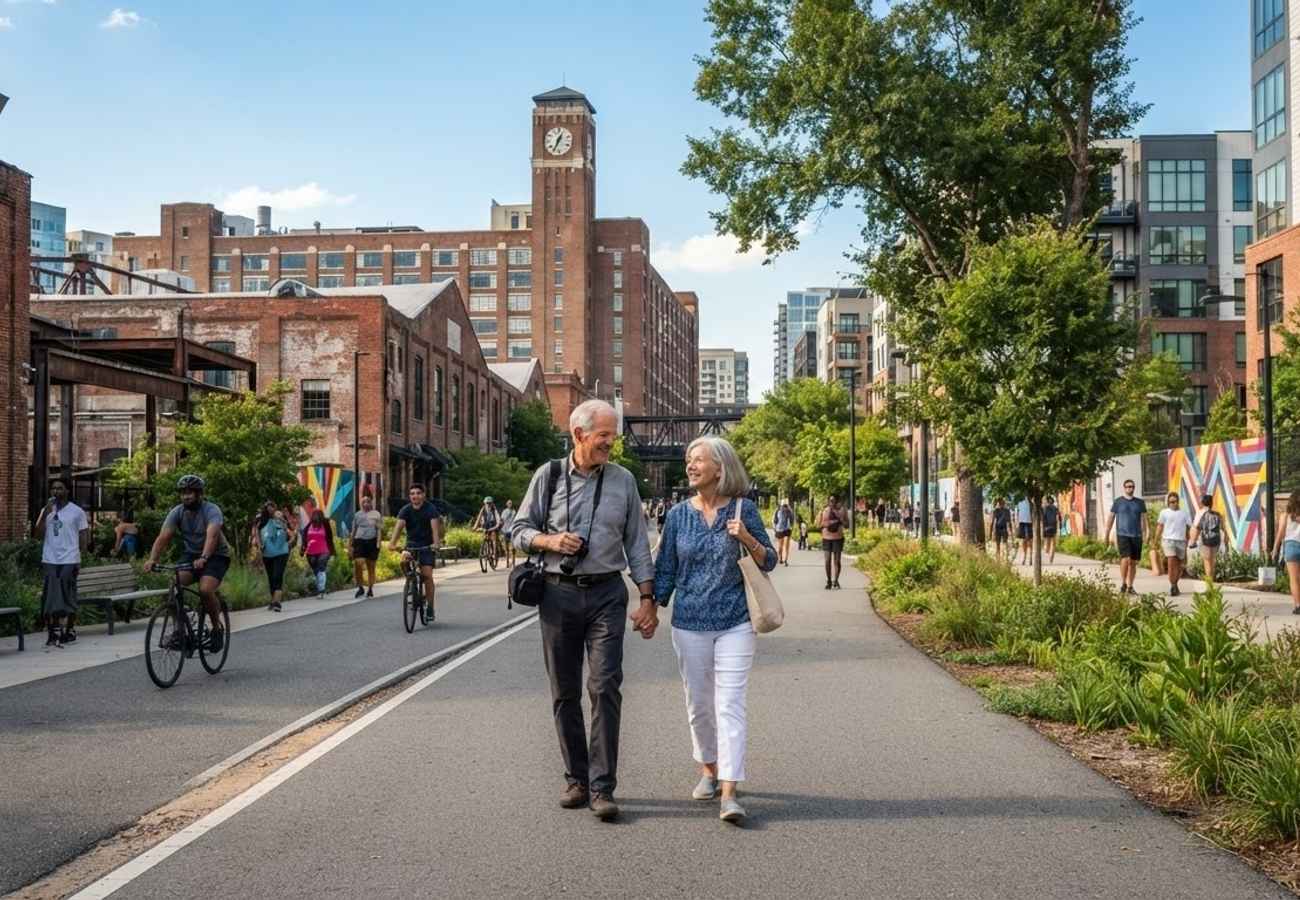
Image generated by AI
Atlanta is notorious for traffic that can shift from fluid to frozen in a matter of minutes. For professionals and residents, the choice of neighborhood is not just about aesthetic or amenities—it is a strategic decision to protect your quality of life and time.
Selecting a residence "Inside the Perimeter" (ITP) allows you to balance the high energy of the city center with the tranquility of a dedicated home base. Whether you prefer a bikeable route via the BeltLine or a quick jump onto the Downtown Connector, the following neighborhoods offer the most efficient access to the heart of the city.
Strategic Residential Hubs for Downtown Access
Summerhill: The Quiet Urban Pocket Located less than two miles from the city center, Summerhill offers a rare suburban feel within an urban environment. Its tree-lined streets provide a buffer from the noise of the metropolis while remaining exceptionally close to the core. Residents here often bypass major highways entirely, utilizing local roads, cycling, or walking for their daily routines.
Old Fourth Ward: The Cultural Epicenter Positioned just east of Downtown, this area is a blend of historic architecture and modern development. The neighborhood is anchored by Ponce City Market, which serves as a primary hub for dining and retail. With direct access to the BeltLine’s Eastside Trail, many residents replace traditional car commutes with scenic walks or bike rides.
Grant Park: The Green Retreat For those prioritizing open space and a slower pace, Grant Park is a premier choice. It is characterized by historic homes and expansive greenery. While the commute via I-20 W is straightforward, the primary draw is the neighborhood's established, rooted atmosphere, providing a mental reset after a workday in the city.
Reynoldstown: The Creative Corridor Reynoldstown balances a laid-back residential vibe with a burgeoning arts and music scene. The proximity to I-20 makes the drive to Downtown brief, while local landmarks like The Eastern music venue and various independent coffee shops ensure there is plenty to do without leaving the neighborhood.
Virginia-Highland: The "Town Within a City" Though it has the longest commute on this list, Virginia-Highland is often viewed as the most rewarding. The 15-to-20-minute drive serves as a transition period between professional and personal life. The area is highly walkable, connecting seamlessly to Midtown and offering proximity to Piedmont Park.
2026 Commute and Rental Data Comparison
The following data reflects rental costs and transit accessibility as of April 2026.
| Neighborhood | Avg. 1-BR Rent | Car Commute | Primary Highway | Public Transit (MARTA) |
|---|---|---|---|---|
| Summerhill | $1,564 | 5–10 min | I-85, I-20 W | Georgia State Station |
| Old Fourth Ward | $2,094 | 5–10 min | I-85 | Peachtree Center Station |
| Grant Park | $1,687 | 10–15 min | I-20 W | King Memorial Station |
| Reynoldstown | $1,785 | 10–15 min | I-20 W | Inman Park/Reynoldstown Station |
| Virginia-H. | $1,534 | 15–20 min | I-85, John Lewis Pkwy | Midtown Station |
Local Insights for Navigating the City
To maximize the experience of living in these areas, consider these neighborhood-specific strategies:
- In Summerhill: Be mindful of event schedules at nearby stadiums, as game days can significantly alter local traffic patterns.
- In Old Fourth Ward: Use the BeltLine for more than just commuting; it is the city's primary artery for people-watching and outdoor exercise.
- In Grant Park: Visit The Beacon for the Sunday farmer's market to source local produce and enjoy a community-centric atmosphere.
- In Reynoldstown: Engage in the "Tiny Doors" scavenger hunt along the BeltLine access points for a unique local experience.
- In Virginia-Highland: Explore North Highland Avenue for independent bookstores and local cafes like PERC.
Understanding the Atlanta Market
As of April 2026, the average rent in Atlanta stands at $1,625 per month, aligning closely with the national average of $1,640. When deciding between living in the city center versus the outskirts, the "ITP" (Inside the Perimeter/I-285) distinction is the most important factor. Living ITP generally reduces stress and travel time, though it may come with a premium on rent or smaller living spaces.
For those relying on public transit, focusing on Midtown, Downtown, and Buckhead provides the highest density of MARTA bus stops and rail stations, ensuring reliable movement across the city.
Finding the right balance between a short commute and a high quality of life is the key to thriving in the Atlanta metro area.
Related Travel Guides
Disclaimer
This article is for informational and educational purposes only. It does not constitute legal, financial, or professional advice. While we strive to provide accurate and up-to-date information, travel policies, regulations, and conditions change rapidly. Always verify information with official sources before making travel decisions. Nomad Lawyer makes no representations about the accuracy, reliability, completeness, or suitability of the information provided. Readers should consult qualified professionals for advice specific to their circumstances. The views expressed in this article are those of the author and do not necessarily reflect the views of Nomad Lawyer.
Raushan Kumar
Founder & Lead Developer
Full-stack developer with 11+ years of experience and a passionate traveller. Raushan built Nomad Lawyer from the ground up with a vision to create the best travel and law experience on the web.
Learn more about our team →