
United Airlines Overhauls Loyalty Program: Credit Card Holders Gain Upper Hand in Restructured MileagePlus Rewards System
Breaking airline news and aviation industry updates for 2026.

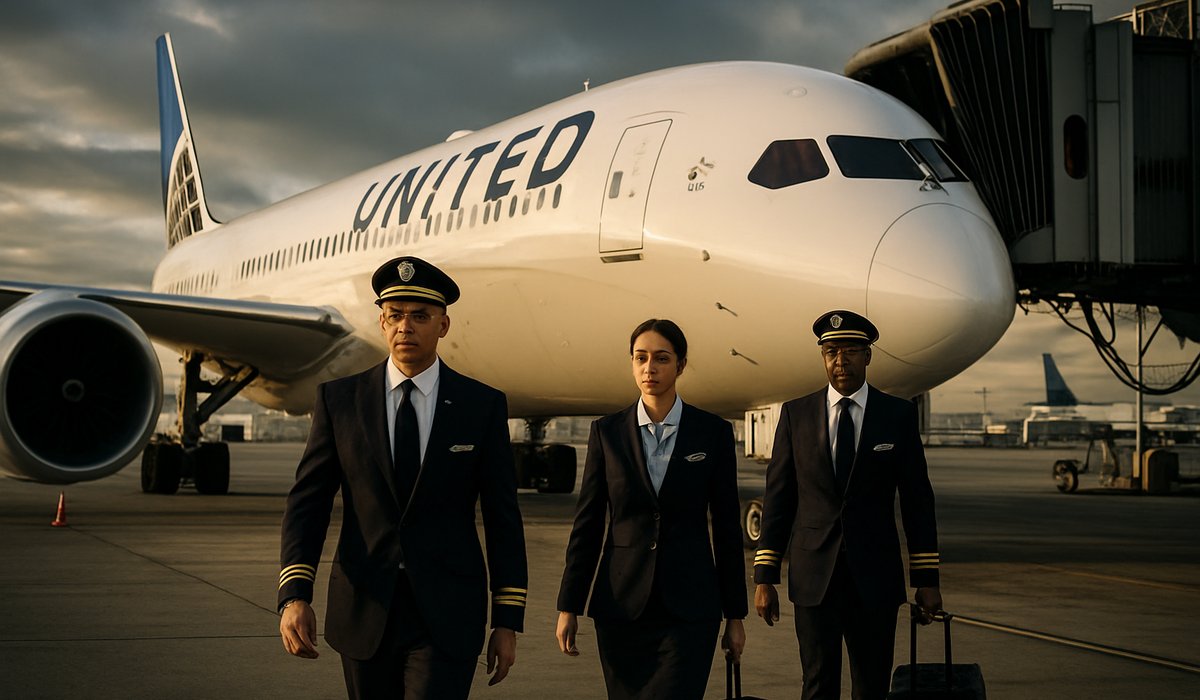
Image generated by AI
United Airlines Overhauls Loyalty Program: Credit Card Holders Gain Upper Hand in Restructured MileagePlus Rewards System
April 2026 overhaul creates two-tier frequent flyer hierarchy, raising questions about equity and access for non-cardholder members
Seismic Shift in Frequent Flyer Economics
United Airlines has fundamentally restructured its MileagePlus loyalty program, introducing a two-tiered rewards architecture that explicitly advantages members carrying the airline's co-branded credit cards. The sweeping April 2026 overhaul marks a watershed moment in aviation loyalty programs, signaling an industry-wide trend toward monetizing elite status through financial products rather than flight activity alone.
The reorganization effectively divides United's frequent flyer base into distinct membership classes: cardholders receiving preferential redemption rates and benefit access, while non-cardholder members face steeper mileage requirements for comparable rewards. This structural shift raises critical questions about program equity and accessibility as major carriers increasingly leverage financial partnerships to drive revenue.
The New Loyalty Architecture
Under the revamped program structure, United has fundamentally altered the underlying economics of mile valuations. Credit card members now unlock accelerated earning rates, reduced point thresholds for premium cabin upgrades, and exclusive redemption windows unavailable to program members who book flights independently without holding company-branded plastic.
The distinction creates a measurable wealth gap within the loyalty ecosystem. A business traveler holding a United credit card can redeem miles for premium cabin seats at rates substantially lower than a frequent flyer relying solely on airline spending—a departure from traditional merit-based loyalty frameworks that historically rewarded actual flight frequency.
Broader Industry Implications
This restructuring reflects mounting pressure within the aviation sector to maximize ancillary revenue streams. As fuel costs remain elevated and competitive pressures intensify, carriers increasingly depend on co-branded credit card partnerships and loyalty program monetization to supplement core ticket revenues.
United's approach mirrors strategies deployed by competitors including American Airlines and Delta Air Lines, which have similarly weighted their loyalty programs toward credit card co-branding relationships. However, United's transparent bifurcation of member benefits represents a notably aggressive recalibration of the traditional loyalty-as-reward model.
What This Means for Travelers
The practical impact varies significantly by traveler profile. Frequent business travelers with company-sponsored credit cards gain substantial advantages, while leisure passengers and budget-conscious flyers face increased barriers to premium redemptions. The restructuring effectively introduces an economic filter that rewards financial engagement alongside flight activity.
Industry observers note this trend accelerates the transformation of loyalty programs from customer retention tools into sophisticated financial products requiring active participation in airline-branded credit ecosystems.
Frequently Asked Questions
How does the MileagePlus overhaul affect non-cardholder members? Non-cardholder MileagePlus members face significantly higher mileage requirements for premium cabin upgrades and elite status benefits, creating direct economic disadvantages compared to credit card holders redeeming identical rewards.
What specific benefits do United credit cardholders receive under the new program? Credit card members gain accelerated earning rates on airline purchases, reduced redemption thresholds for first and business class seats, and exclusive access to limited-time promotional redemption windows.
Is United the only airline implementing tiered loyalty structures favoring credit cardholders? No—major carriers including American Airlines and Delta Air Lines maintain similar two-tier systems, though United's April 2026 restructuring represents one of the most explicit program bifurcations in contemporary aviation.
How do elevated jet fuel prices influence airline loyalty program changes? Rising operational costs drive carriers to maximize revenue through ancillary streams, including credit card partnerships and loyalty program monetization, reducing traditional flight-based earning advantages.
Can casual travelers still earn meaningful rewards through MileagePlus without a credit card? Yes, but at substantially reduced earning rates and higher redemption costs, making point accumulation significantly slower compared to cardholding frequent flyers with accelerated earning multipliers.
Related Travel Guides
- Breaking Airline News: Terrifying Chicago Midway Flight Delays Trigger Massive Terminal Paralyzation and Severe Travel Chaos
- American Airlines and Google Sign Record 35 Million-Gallon Sustainable Aviation Fuel Deal Through 2029
- American Airlines Transforms JFK's Terminal 8 Into Premium Travel Hub With $100 Million Modernization
Disclaimer
This article is for informational and educational purposes only. It does not constitute legal, financial, or professional advice. While we strive to provide accurate and up-to-date information, travel policies, regulations, and conditions change rapidly. Always verify information with official sources before making travel decisions. Nomad Lawyer makes no representations about the accuracy, reliability, completeness, or suitability of the information provided. Readers should consult qualified professionals for advice specific to their circumstances. The views expressed in this article are those of the author and do not necessarily reflect the views of Nomad Lawyer.
Preeti Gunjan
Contributor & Community Manager
A passionate traveller and community builder. Preeti helps grow the Nomad Lawyer community, fostering engagement and bringing the reader experience to life.
Learn more about our team →