
Singapore Airlines Retires Airbus A380 From 11 Major Routes, Signaling Shift in Premium Aviation Strategy
Breaking airline news and aviation industry updates for 2026.

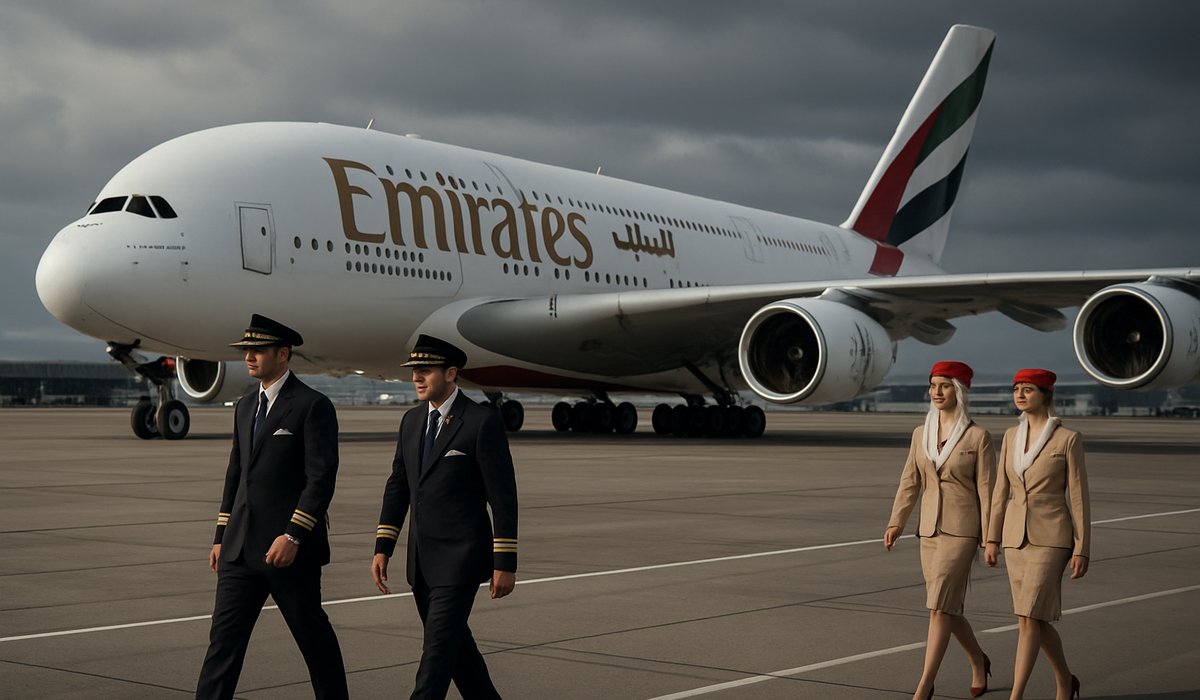
Image generated by AI
Singapore Airlines Retires Airbus A380 From 11 Major Routes, Signaling Shift in Premium Aviation Strategy
The carrier that pioneered superjumbo luxury quietly phases out iconic aircraft amid changing travel patterns and fleet optimization pressures
A Quiet End to an Aviation Icon
Singapore Airlines, the carrier most synonymous with the Airbus A380's commercial success, has begun systematically withdrawing the superjumbo aircraft from 11 significant international routes, marking a pivotal moment in the aircraft's decline. The decision represents a dramatic reversal for an airline that became the launch customer for the double-deck giant in 2007 and transformed it into a symbol of ultra-premium long-haul travel.
The A380's Role in Singapore Airlines' Premium Legacy
For nearly two decades, Singapore Airlines leveraged the A380's distinctive architecture to redefine business-class luxury. The aircraft's expansive upper deck enabled the carrier to introduce groundbreaking premium cabin concepts, most notably the airline's exclusive suites product—a first-class offering that reimagined forward cabin design with direct-aisle access and luxury amenities previously unseen in commercial aviation. Rather than serving as a standard fleet addition, the A380 became the physical embodiment of Singapore Airlines' market positioning and brand identity.
Fleet Rationalization Amid Industry Headwinds
The carrier's decision to reduce A380 operations reflects broader pressures reshaping global aviation economics. Rising maintenance costs, jet fuel price volatility, and post-pandemic travel pattern shifts have forced airlines to reassess large-capacity aircraft deployment. Smaller, fuel-efficient wide-body aircraft now deliver superior unit economics on many routes, while demand for ultra-premium seats—traditionally the A380's strongest revenue driver—remains concentrated on specific city-pair markets.
Industry data shows that maintenance expenses for aging four-engine aircraft have become increasingly burdensome. Compounded by environmental considerations and airline industry consolidation, carriers have gravitated toward modern twin-engine alternatives that consume less fuel while maintaining profitability on premium-heavy routes.
Route Network Recalibration
The 11 routes losing A380 service represent significant market segments for Singapore Airlines. The carrier has not specified which destinations face withdrawal, but the reduction signals confidence in alternative aircraft to maintain service quality while improving operational efficiency. This tactical shift enables the airline to redeploy its remaining A380s to carefully selected ultra-premium markets where the aircraft's luxury positioning commands premium pricing justification.
Broader Implications for Aviation Industry
Singapore Airlines' A380 phase-down contributes to broader industry trends accelerating the superjumbo's retirement timeline. With production ended and remaining aircraft aging, the A380 market has shifted from expansion to managed decline. Other carriers operating the type face similar decisions regarding long-term deployment strategy and capital allocation toward newer generation aircraft.
The move underscores how even iconic aviation symbols must ultimately succumb to economic realities and evolving market dynamics in an industry where operational efficiency increasingly trumps prestige.
FAQ: A380 Retirement and Airline Industry Changes
Why is Singapore Airlines retiring the Airbus A380 from major routes? Rising maintenance costs, jet fuel price considerations, and changing travel demand patterns have made smaller, twin-engine aircraft more economically viable on many international routes while delivering comparable premium experiences.
How does this affect passengers booking premium cabin tickets? Singapore Airlines will concentrate its remaining A380 aircraft on select ultra-premium markets. Passengers on affected routes will transition to alternative aircraft, though the carrier maintains premium cabin offerings across its fleet.
What is driving global airline fee structures and capacity decisions? Jet fuel prices, environmental regulations, and post-pandemic travel recovery patterns all influence how airlines optimize fleet deployment and pricing strategies across different route networks.
Will other airlines follow Singapore Airlines' A380 withdrawal strategy? Yes—several carriers operating A380 fleets face similar economic pressures, and orderly phase-downs are expected as aircraft age and maintenance costs escalate.
What aircraft will replace the A380 on these routes? Singapore Airlines and other carriers typically deploy modern wide-body twin-engine jets, including the Boeing 787 Dreamliner and Airbus A350, which offer superior fuel efficiency and lower operational costs.
Related Travel Guides
External Resources
Disclaimer
This article is for informational and educational purposes only. It does not constitute legal, financial, or professional advice. While we strive to provide accurate and up-to-date information, travel policies, regulations, and conditions change rapidly. Always verify information with official sources before making travel decisions. Nomad Lawyer makes no representations about the accuracy, reliability, completeness, or suitability of the information provided. Readers should consult qualified professionals for advice specific to their circumstances. The views expressed in this article are those of the author and do not necessarily reflect the views of Nomad Lawyer.
Preeti Gunjan
Contributor & Community Manager
A passionate traveller and community builder. Preeti helps grow the Nomad Lawyer community, fostering engagement and bringing the reader experience to life.
Learn more about our team →