
Boeing's 737 MAX 7 Certification Crisis: A Cockpit Rule Blocking Southwest's $40+ Billion Fleet Expansion
Breaking airline news and aviation industry updates for 2026.

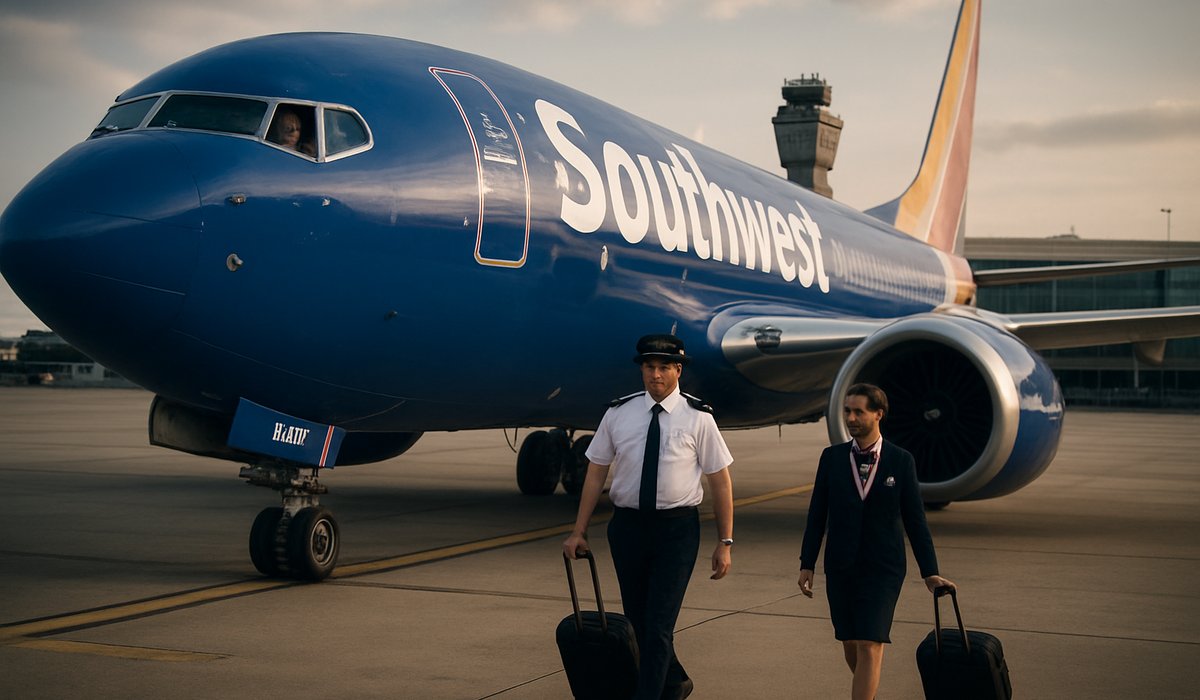
Image generated by AI
Boeing's 737 MAX 7 Certification Crisis: A Cockpit Rule Blocking Southwest's $40+ Billion Fleet Expansion
A quirky five-minute pilot protocol is preventing the FAA from certifying hundreds of aircraft already in commercial service, exposing a regulatory gap that could reshape the aviation industry's near-term future
The Regulatory Standoff Paralyzing Southwest's Growth
Southwest Airlines' ambitious order book of over 300 Boeing 737 MAX 7 aircraft faces an unexpected roadblock that has little to do with aircraft safety and everything to do with bureaucratic interpretation. For more than a year, the carrier and manufacturer have been locked in a standoff with the US Federal Aviation Administration over a certification exemption that hinges on a peculiar cockpit operational requirement lasting just five minutes.
The dispute underscores a fundamental disconnect between what regulators demand and what modern commercial aviation actually requires—a gap that threatens to delay aircraft deliveries worth tens of billions of dollars while similar planes already transport millions of passengers annually.
Where Politics Met Safety Concerns
The public narrative has centered on Boeing's controversial request for regulatory flexibility amid broader skepticism. Washington politicians weighed in, media outlets scrutinized the company's credibility following the Alaska Airlines door plug incident, and critics questioned whether the manufacturer was seeking preferential treatment during a period of diminished trust.
Yet beneath the headlines lies a more technical, arguably stranger operational reality: the very aircraft Southwest seeks to receive already operate in revenue service. Airlines are successfully flying 737 MAX variants with passengers aboard, raising questions about the legitimacy of withholding certification based on criteria that existing fleets have somehow managed to navigate.
An Industry at an Impasse
This certification delay carries profound implications for the aviation sector. Southwest's expansion plans hinge on receiving these aircraft, which represent a cornerstone of its fleet modernization strategy. Each quarter of delay extends aging aircraft operations, driving up maintenance costs and fuel inefficiency at a time when jet fuel price volatility continues pressuring airline margins.
The broader implications extend further: if regulators can effectively block aircraft deliveries based on interpretive requirements divorced from demonstrated operational safety, the entire certification process faces credibility questions. Competitors watching this unfold must calculate whether their own orders face similar regulatory exposure.
What Comes Next?
Boeing and Southwest are unlikely to abandon their commercial interests without a resolution. Whether the FAA ultimately grants the exemption, revises its position, or forces a costly redesign remains unclear—but the status quo favors neither aircraft manufacturer nor customer.
Frequently Asked Questions
What is preventing Boeing 737 MAX 7 certification? The FAA is withholding certification over a disputed five-minute cockpit operational requirement, despite similar aircraft already flying commercially with passengers.
How many 737 MAX 7 aircraft are affected by this delay? Southwest Airlines alone has ordered over 300 aircraft, representing approximately $40 billion in list value.
Are 737 MAX aircraft currently safe to fly? Yes—similar 737 MAX variants operate in revenue service globally, suggesting operational feasibility despite the regulatory dispute.
How does this certification delay impact airline operating costs? Delayed deliveries force carriers to extend operations of older, less fuel-efficient aircraft, increasing exposure to jet fuel price fluctuations and maintenance expenses.
When will the FAA likely resolve this certification standoff? No definitive timeline exists; resolution depends on whether regulators grant Boeing's exemption request or both parties reach a compromise on the disputed cockpit requirement.
Related Travel Guides
External Resources
Disclaimer
This article is for informational and educational purposes only. It does not constitute legal, financial, or professional advice. While we strive to provide accurate and up-to-date information, travel policies, regulations, and conditions change rapidly. Always verify information with official sources before making travel decisions. Nomad Lawyer makes no representations about the accuracy, reliability, completeness, or suitability of the information provided. Readers should consult qualified professionals for advice specific to their circumstances. The views expressed in this article are those of the author and do not necessarily reflect the views of Nomad Lawyer.
Raushan Kumar
Founder & Lead Developer
Full-stack developer with 11+ years of experience and a passionate traveller. Raushan built Nomad Lawyer from the ground up with a vision to create the best travel and law experience on the web.
Learn more about our team →