
Airbus A380 Routes Heavily Disrupted: Eight Key Flight Paths Face Operational Challenges in 2026
Breaking airline news and aviation industry updates for 2026.

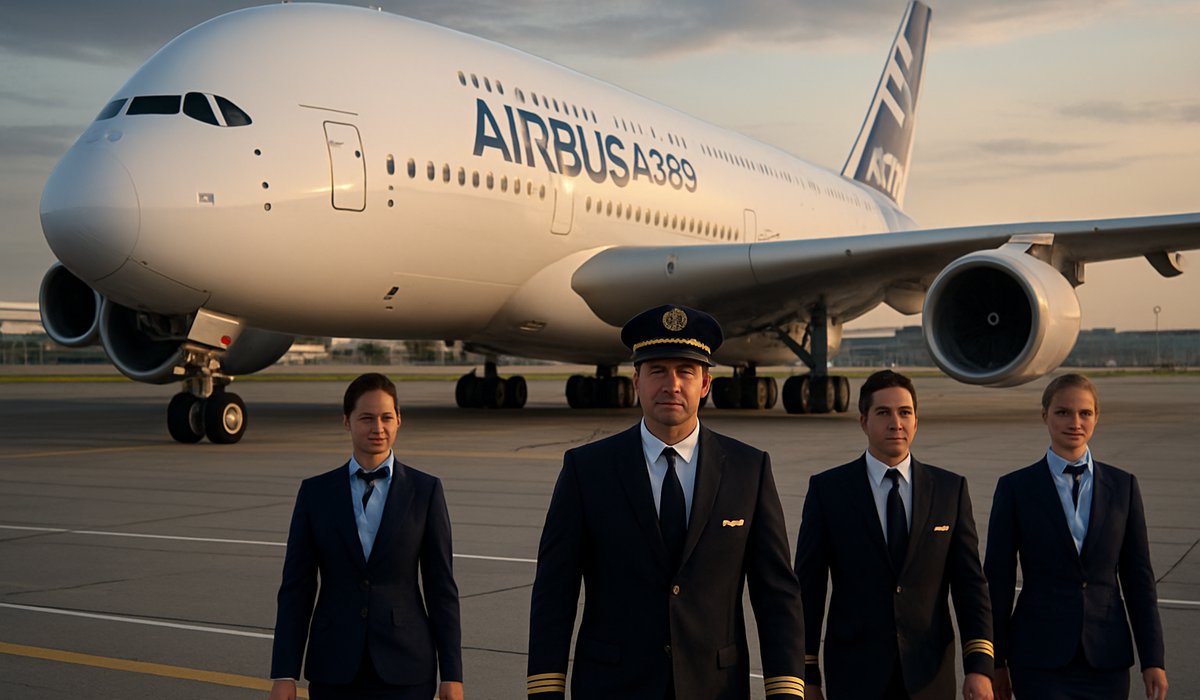
Image generated by AI
Airbus A380 Routes Heavily Disrupted: Eight Key Flight Paths Face Operational Challenges in 2026
Geopolitical tensions in Middle East airspace force premium aircraft deployments to shift, impacting Gulf carriers' flagship operations
Middle East Tensions Reshape A380 Deployment Strategy
The global fleet of Airbus A380 superjumbos faces unprecedented operational disruption in 2026, with eight critical international routes experiencing significant scheduling adjustments as geopolitical tensions grip the Persian Gulf region. The conflict, centered around Operation Epic Fury and subsequent Iranian military strikes targeting UAE airspace and broader Middle Eastern territories, has forced airlines to reconfigure deployment strategies for their most prized widebody aircraft.
Emirates Leads Struggling A380 Comeback
Emirates Airlines, which operates approximately half of the world's remaining active A380 fleet, initiated an ambitious restoration program earlier this year to reactivate aircraft that had remained grounded since the 2020 COVID-19 pandemic. The carrier's revival efforts have now stalled, with military operations forcing operational adjustments across its most profitable long-haul corridors.
Qatar Airways and Etihad Airways, the other primary Gulf-based operators of the double-deck aircraft, have similarly confronted unexpected route modifications as airspace closures and military restrictions limit access to traditional flight paths.
Eight Routes Bear Brunt of Disruptions
While specific route identities remain subject to ongoing operational assessment, analysts indicate that premium services connecting major Middle Eastern hubs to Europe, Asia, and North America have absorbed the most severe impacts. These eight corridors typically represent the A380's highest-yield operations, where the aircraft's 500-plus-seat capacity commands premium pricing and generates substantial revenue.
The disruptions underscore how geopolitical volatility directly threatens aviation economics—particularly for flagship aircraft programs that depend on consistent, predictable deployment schedules to justify their elevated operational costs.
Broader Aviation Industry Implications
The A380 deployment challenges reflect wider industry concerns regarding Middle Eastern aviation resilience. Airspace restrictions directly correlate with increased flight times, fuel consumption, and operational expenses—factors already pressuring airline margins amid elevated jet fuel prices and persistent cost inflation across the sector.
Airlines operating premium services through affected regions face mounting pressure to either absorb additional operational expenses or pass costs to travelers through higher fares, potentially dampening demand for premium cabin products during an already volatile market period.
The situation demonstrates how military and geopolitical developments cascade through commercial aviation networks, affecting everything from fleet utilization rates to passenger pricing strategies across the global travel industry.
Frequently Asked Questions
Q1: How do airspace closures affect airline fuel costs and passenger fares? Military operations requiring flight path diversions increase flight distances, fuel consumption, and flight times—expenses typically recovered through higher ticket prices or reduced service frequency.
Q2: Which airlines operate the most A380 aircraft globally in 2026? Emirates operates approximately 50% of remaining active A380s, with Qatar Airways and Etihad Airways operating the majority of remaining aircraft, predominantly on Middle Eastern-based routes.
Q3: Why is the Airbus A380 vulnerable to geopolitical disruptions? The A380's massive capacity and high operating costs make it economically dependent on consistent, long-distance route utilization; any operational disruption significantly impacts profitability.
Q4: Are airlines retiring A380 fleets due to current Middle East tensions? Current evidence suggests operational adjustments rather than wholesale fleet retirements, though prolonged disruptions could accelerate retirement decisions.
Q5: How long could these aviation disruptions persist? Timeline remains uncertain, dependent on geopolitical developments; airlines are currently implementing contingency planning for extended operational constraints.
Related Travel Guides
External Resources
Disclaimer
This article is for informational and educational purposes only. It does not constitute legal, financial, or professional advice. While we strive to provide accurate and up-to-date information, travel policies, regulations, and conditions change rapidly. Always verify information with official sources before making travel decisions. Nomad Lawyer makes no representations about the accuracy, reliability, completeness, or suitability of the information provided. Readers should consult qualified professionals for advice specific to their circumstances. The views expressed in this article are those of the author and do not necessarily reflect the views of Nomad Lawyer.
Preeti Gunjan
Contributor & Community Manager
A passionate traveller and community builder. Preeti helps grow the Nomad Lawyer community, fostering engagement and bringing the reader experience to life.
Learn more about our team →