
Thailand's Phayao Province Reports Minor 2.4 Magnitude Earthquake in July 2026 Highlighting Northern Seismic Safety
A minor magnitude 2.4 earthquake in Phayao province underscores Thailand's robust seismic monitoring and travel safety protocols in northern geological zones.

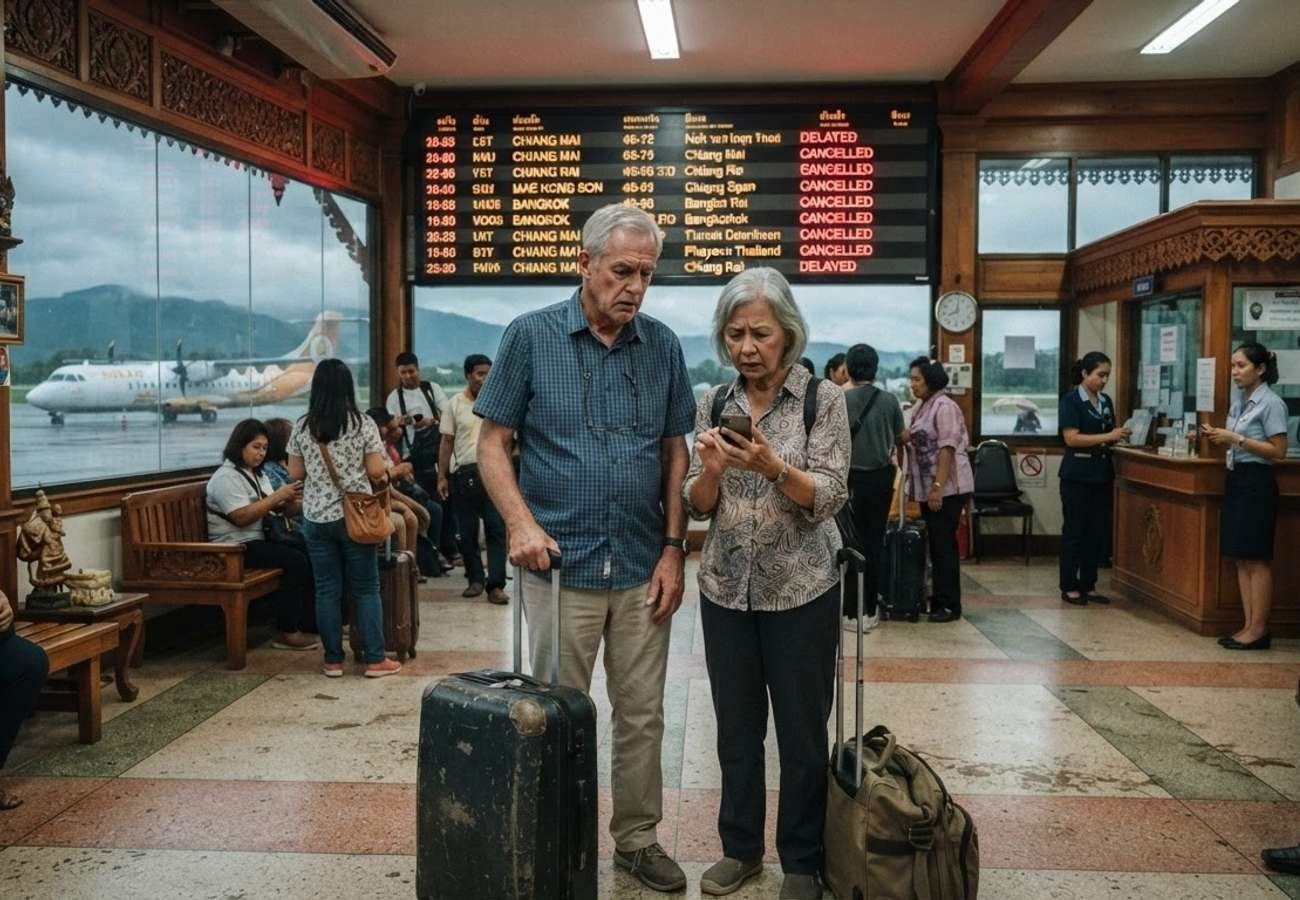
Image generated by AI
A minor seismic event in Northern Thailand serves as a testament to the region's advanced disaster preparedness and the resilience of its tourism infrastructure.
The Local Trend Revealed
On July 10, 2026, the northern province of Phayao experienced a minor earthquake that captured the attention of both locals and international visitors. At 3:05 p.m. local time, a magnitude 2.4 tremor originated in the Sawang Arom subdistrict of the Dok Kham Tai district. While the magnitude was low, the shallow depth of approximately one kilometre made the shaking noticeably more acute for those on the ground.
This event is not an isolated anomaly but rather a characteristic of Northern Thailand's geological makeup. The tremor was linked to the Phayao Fault Group, a recognized active fault system. According to the Department of Mineral Resources under Thailand’s Ministry of Natural Resources and Environment, the event was a result of "normal faulting," where tectonic stress causes one block of the Earth's crust to move downward relative to another.
The rapid response from the Geohazard Operations Centre and the immediate dissemination of facts highlight a broader trend in Thai tourism: the shift toward transparent, real-time risk communication to maintain traveler confidence in geologically active zones.
Seismic Event Data Summary
| Detail | Specification |
|---|---|
| Date | July 10, 2026 |
| Time | 3:05 PM (Local Time) |
| Magnitude | 2.4 |
| Depth | 1 kilometre |
| Epicenter | Sawang Arom, Dok Kham Tai, Phayao |
| Fault System | Phayao Fault Group |
| Damage/Injuries | None reported |
Cultural & Environmental Value (Information Gain)
The management of these seismic events reflects a sophisticated integration of environmental science and community safety. By referencing the Department of Mineral Resources and official regional conservation bodies, Thailand is moving away from reactive crisis management toward a model of "seismic literacy."
This approach supports the local economy by ensuring that the "fear factor" associated with earthquakes does not deter visitors from exploring the rural charm of Phayao. The emphasis on monitoring active fault systems allows the region to promote sustainable, low-impact tourism—such as lakeside retreats and temple visits—while ensuring that infrastructure is built to withstand the natural tectonic shifts of the North. This commitment to safety preserves the integrity of cultural heritage sites and ensures that local communities can coexist with their geological environment without risking their livelihoods.
Visitor Insider Tips
For those traveling through Phayao, Chiang Rai, Chiang Mai, or Lampang, understanding the local rhythm and safety protocols is key:
- Off-Peak Window: Visit Phayao during the shoulder seasons (late September to November) to experience the lakeside scenery without the peak crowds, making evacuation routes clearer and local guidance more accessible.
- Local Dining Specialty: While in Phayao, seek out local freshwater fish dishes from the shores of Lake Phayao, supporting small-scale artisanal fishermen.
- Cultural Etiquette: When visiting temples in the north, remember that these are often the designated community safe zones. Respect the silence and the local monks' guidance during any emergency drills.
- Hidden Spot: Explore the Dok Kham Tai district's smaller weaving villages; these communities are often the most informed about local land shifts and geological history.
- Safety App: Download official Thai government weather and disaster alerts to avoid relying on unverified social media rumors during seismic events.
Tourism Outlook
The long-term impact of this event is overwhelmingly positive for the region's reputation. Because there were no disruptions to flights, road transport, or hotel operations, the incident proves that Northern Thailand is a "safe bet" for high-value, conscious travelers.
The ability of the Geohazard Operations Centre to quickly confirm that no infrastructure damage occurred reinforces the reliability of the region's tourism facilities. As Thailand continues to refine its disaster management strategy, the integration of public education and geological monitoring will likely lead to an increase in rural tourism, as visitors feel more secure exploring the "deep north" beyond the primary hubs of Chiang Mai and Chiang Rai.
Travel with confidence, knowing that the earth's movements are monitored by the best in the region.
Related Travel Guides
Disclaimer
This article is for informational and educational purposes only. It does not constitute legal, financial, or professional advice. While we strive to provide accurate and up-to-date information, travel policies, regulations, and conditions change rapidly. Always verify information with official sources before making travel decisions. Nomad Lawyer makes no representations about the accuracy, reliability, completeness, or suitability of the information provided. Readers should consult qualified professionals for advice specific to their circumstances. The views expressed in this article are those of the author and do not necessarily reflect the views of Nomad Lawyer.
Preeti Gunjan
Contributor & Community Manager
A passionate traveller and community builder. Preeti helps grow the Nomad Lawyer community, fostering engagement and bringing the reader experience to life.
Learn more about our team →