
Severe Monsoon Flooding Paralyzes Infrastructure Across Thailand and Malaysia
A powerful monsoon trough has triggered a regional crisis in Southeast Asia, submerging critical power networks and seve

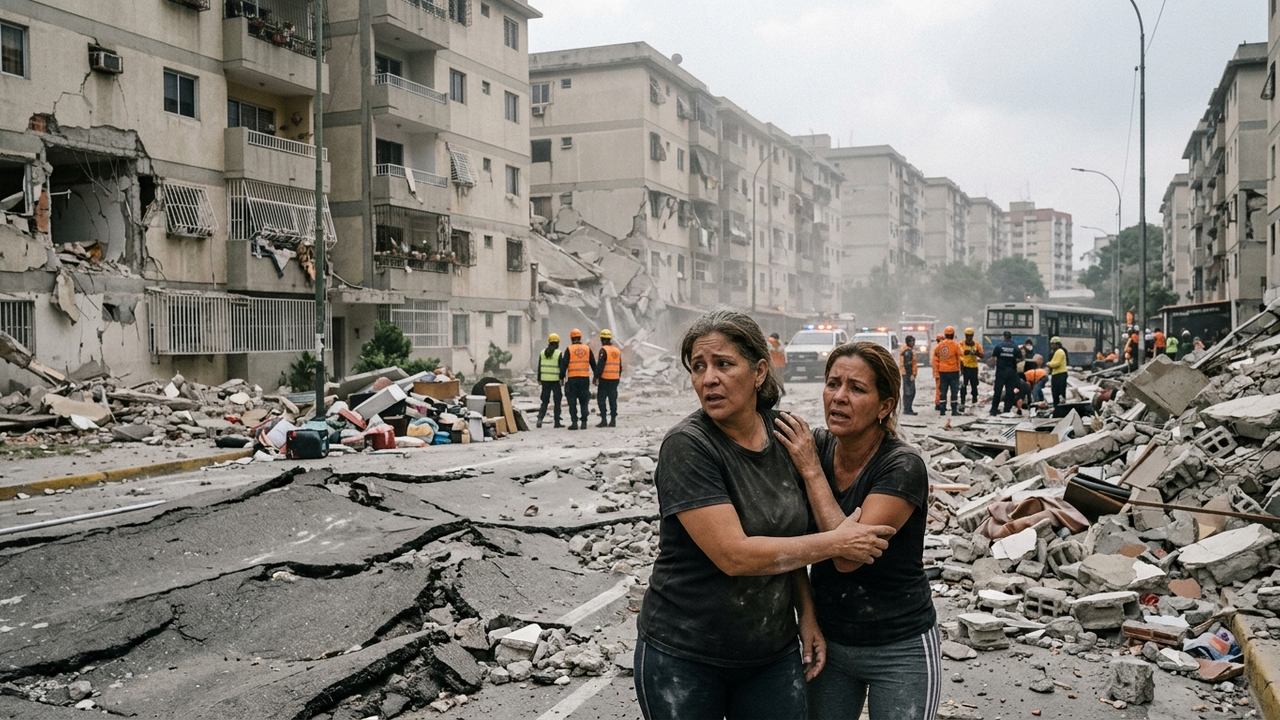
Image generated by AI
Regional Monsoon Crisis Triggers Mass Displacement
Severe weather systems have escalated into a major flood emergency across parts of Thailand and Malaysia. Prolonged, torrential rainfall—linked to an active monsoon trough—has overwhelmed low-lying regions, placing immense pressure on national disaster response frameworks.
The crisis is concentrated in areas typically vulnerable between November and March. However, current meteorological data from the Thai Meteorological Department and Malaysia’s National Disaster Management Agency (NADMA) indicate rainfall levels that exceed seasonal averages, leading to rapid river swelling and flash floods.
Thailand’s Energy Grid and Transport Networks Under Strain
The impact in Thailand is most acute in the southern provinces, where floodwaters have compromised the stability of the national electricity grid.
- Power Disruptions: Submerged substations and distribution lines have forced authorities to implement controlled shutdowns to prevent catastrophic system failures and electrical hazards.
- Priority Restoration: Utility providers are prioritizing power restoration for hospitals, emergency evacuation centers, and essential public services.
- Communication Gaps: Grid failures have intermittently disabled communication systems in rural districts, complicating rescue coordination.
Transport connectivity has also faced severe degradation. Many rural and semi-urban road corridors are currently impassable, requiring the deployment of high-clearance vehicles and boats. While major international airports remain operational, regional rail services in the south have faced delays due to mandatory safety inspections.
Malaysia Executes Large-Scale Evacuations
In Malaysia, the crisis has hit northern and eastern states particularly hard. NADMA has coordinated the phased relocation of hundreds of residents to temporary relief centers, including schools and community halls.
Rescue operations are currently utilizing four-wheel-drive vehicles and boats to reach isolated communities where drainage systems have completely failed. While large-scale casualties have not been reported, the Malaysian Meteorological Department warns that saturated ground conditions significantly increase the risk of landslides and further flash flooding.
Climate Volatility and Infrastructure Risk
Meteorologists attribute this extreme event to low-pressure systems forming over the Andaman Sea and the South China Sea. This pattern is contributing to a level of monsoon volatility that experts say is becoming more frequent.
The current crisis underscores a growing gap between urban expansion and climate-adaptive infrastructure. Both nations are now facing the reality that traditional drainage and power grid designs may no longer be sufficient for the intensifying precipitation patterns seen in Southeast Asia.
Travel and Logistics Outlook
Travelers are advised to exercise extreme caution. The Tourism Authority of Thailand has specifically recommended avoiding southern districts until infrastructure is stabilized.
- Aviation: Major hubs are functional, but "last-mile" connectivity to hotels and resorts in affected zones is limited.
- Road/Rail: Domestic travel to southern Thailand and northern/eastern Malaysia is discouraged.
- Recovery: Full restoration of services is contingent on the receding of river levels and the efficiency of drainage recovery.
Impact Summary
| Affected Entity | Primary Impact | Response Measure |
|---|---|---|
| Thailand Power Grid | Submerged substations; controlled blackouts | Isolation of damaged segments; priority restoration for hospitals |
| Thailand Transport | Submerged road networks; rail delays | Deployment of high-clearance vehicles and boats |
| Malaysia Residential | Flooded low-lying districts; displaced populations | Phased evacuations to NADMA relief centers |
| Regional Aviation | Limited local accessibility | Normal operations at major international airports |
| Environment | Saturated ground; overflowing rivers | Continuous monitoring for landslides and flash floods |
Key Takeaways
- Infrastructure Failure: Power grids and road networks in southern Thailand and northern/eastern Malaysia are severely compromised.
- Emergency Status: Mass evacuations are underway, with residents moved to temporary shelters.
- Climate Driver: Low-pressure systems in the Andaman and South China Seas are driving rainfall beyond seasonal norms.
- Travel Warning: Non-essential travel to affected southern and coastal regions is strongly discouraged.
FAQ
Are international flights affected? Major international airports continue to operate normally. However, traveling from the airport to specific destinations in flood-hit regions may be difficult or impossible.
Which areas are most at risk? Southern provinces of Thailand and the northern and eastern states of Malaysia are currently the most affected.
What is the cause of the flooding? The flooding is caused by an intensified monsoon trough and low-pressure systems over the Andaman and South China Seas, leading to rainfall that exceeds seasonal averages.
Related Travel Guides
Disclaimer
This article is for informational and educational purposes only. It does not constitute legal, financial, or professional advice. While we strive to provide accurate and up-to-date information, travel policies, regulations, and conditions change rapidly. Always verify information with official sources before making travel decisions. Nomad Lawyer makes no representations about the accuracy, reliability, completeness, or suitability of the information provided. Readers should consult qualified professionals for advice specific to their circumstances. The views expressed in this article are those of the author and do not necessarily reflect the views of Nomad Lawyer.
Raushan Kumar
Founder & Lead Developer
Full-stack developer with 11+ years of experience and a passionate traveller. Raushan built Nomad Lawyer from the ground up with a vision to create the best travel and law experience on the web.
Learn more about our team →