
Thailand Shifts to High-Value Tourism: Bangkok and Chiang Mai Lead 'Root to Rich' Heritage Strategy 2026
Thailand is pivoting from mass tourism to a high-value model, utilizing a strategic corridor between Bangkok and Chiang Mai to monetize provincial heritage and rare culinary traditions.

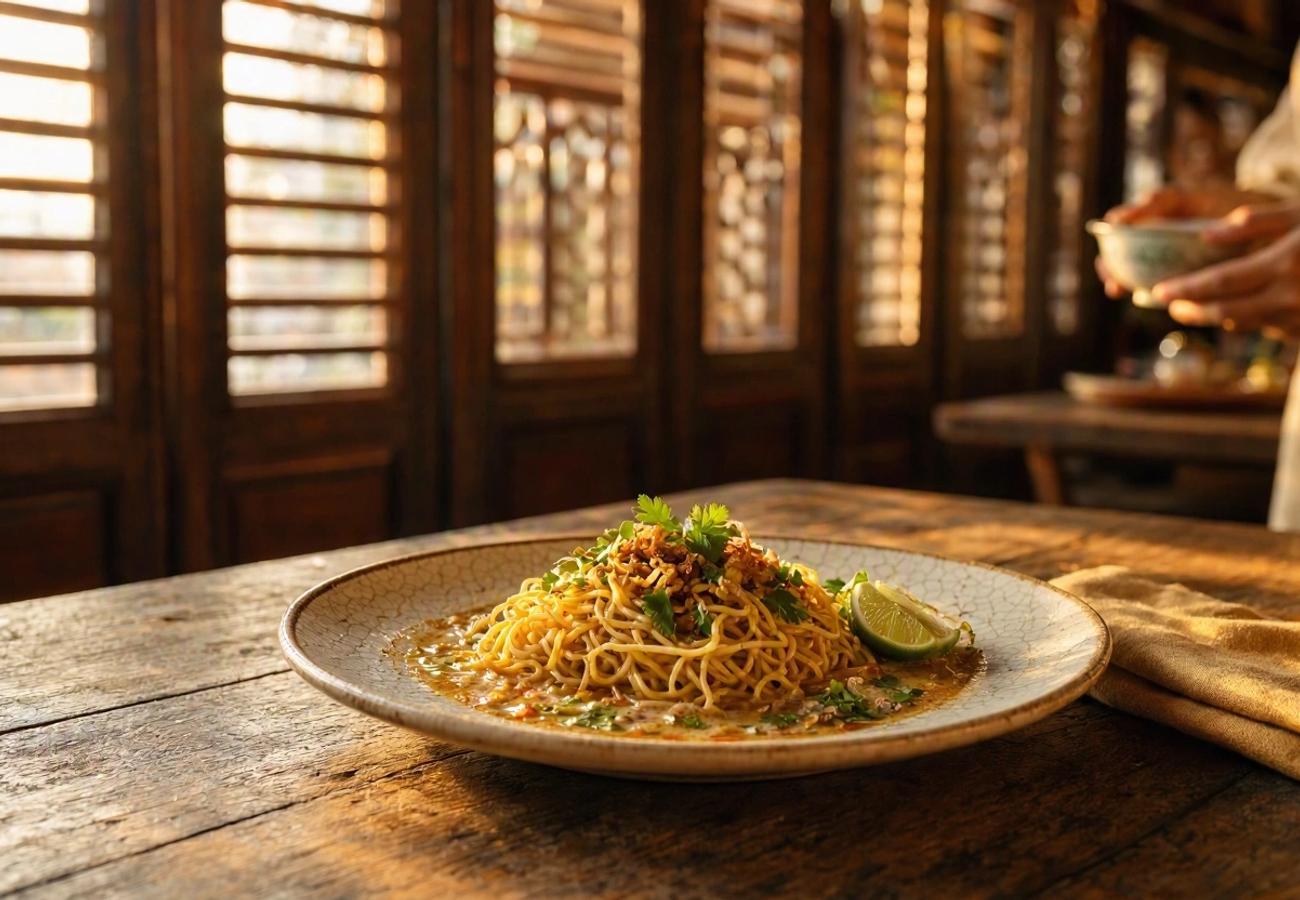
Image generated by AI
Thailand is transitioning from a volume-based tourism model to a high-yield strategy, shifting its primary KPI from total visitor arrivals to average expenditure per traveler. This pivot is anchored by the "Root to Rich" blueprint, a coordinated effort between Bangkok, Chiang Mai, and several secondary provinces to convert cultural assets into high-margin economic drivers.
The Root to Rich Framework in Numbers
The Thai government is no longer chasing raw passenger counts but is instead focusing on "emotional value" and commercialization of heritage. The strategy creates a strategic corridor connecting the capital to northern and regional hubs, ensuring that spending is distributed beyond the primary urban centers.
A central component of this shift is the "The Lost Taste" project, managed by the Ministry of Culture. This initiative is not merely a culinary revival but a structured economic engine. The project has identified and documented 231 forgotten provincial recipes, transforming them into commercial assets. To standardize quality and attract high-spending international tourists, the government introduced the Thailand Best Local Food (TBLF) accreditation. This certification allows travelers to identify verified authentic establishments, reducing the risk of "tourist traps" and increasing the likelihood of higher per-meal spending.
According to the World Tourism Organization (UNWTO), the global shift toward experiential and sustainable travel is accelerating, and Thailand's TBLF system is a direct response to this demand for authenticity.
Regional Value Drivers and Market Positioning
The "Root to Rich" model operates through a tiered system where different cities serve specific economic functions. Bangkok acts as the luxury anchor and distribution hub, while provinces like Nan and Chiang Rai focus on low-carbon, high-margin niche markets.
| Destination | Strategic Role | Primary Value Driver | Target Traveler Segment |
|---|---|---|---|
| Bangkok | Global Gateway | Michelin Gastronomy & Royal Recipes | Luxury Shoppers & Medical Tourists |
| Chiang Mai | Wellness Anchor | Lanna Heritage & Slow Food | Eco-Luxe & Long-Stay Nomads |
| Chiang Rai | Arts Sanctuary | Organic Tea & Coffee Plantations | Conscious Art Enthusiasts |
| Nan | Sustainability Pilot | Low-Carbon Lodging & Architecture | Zero-Waste & Eco-Travelers |
| Chanthaburi | Agri-Tourism Hub | GI-Protected Tropical Fruits | High-End Gastronomy Tourists |
| Songkhla | Creative Border | Southern Maritime Fusion | Architecture & Heritage Collectors |
What This Means for Travelers
The shift toward high-value tourism will fundamentally change the booking and on-the-ground experience in Thailand. As the country prioritizes "quality over quantity," travelers should expect the following:
- Certification-Based Dining: When searching for authentic experiences, look for the TBLF (Thailand Best Local Food) mark. This replaces generic "recommended" lists with a government-backed standard of authenticity.
- Diversified Itineraries: The creation of the Bangkok-Chiang Mai corridor suggests that travel packages will increasingly bundle these cities with secondary stops like Nan or Chanthaburi. Booking "corridor passes" or multi-city regional flights may become more cost-effective than standalone tickets.
- Premium Pricing for Authenticity: As "The Lost Taste" recipes move from rural kitchens to "Creative Culinary" tracks in urban centers, expect a price premium for these heritage dishes.
- Eco-Standard Accommodations: In provinces like Nan, the implementation of strict carbon-footprint standards for hotels means that luxury is now being redefined as "low-impact." Travelers prioritizing sustainability should target these specific pilot zones.
For those planning trips in 2026, integrating IATA flight data for regional airports (such as Nan or Chiang Rai) is recommended, as the government encourages bypassing Bangkok to reduce urban congestion.
Forward Projection: The Monetization of Heritage
The trajectory of the "Root to Rich" strategy suggests a move toward "Hyper-Regionalism." By leveraging Geographical Indication (GI) ingredients, Thailand is building a direct farmer-to-market supply chain. This removes middlemen and ensures that the increased spending from luxury tourists flows directly into rural economies.
We expect to see the "Creative Culinary Track" expand, where traditional recipes are reinterpreted for global palates without losing their cultural roots. This will likely lead to an increase in "food-pilgrimages" where travelers visit specific provinces solely for a single GI-certified product or a TBLF-accredited dish.
FAQ: Thailand High-Value Tourism 2026
Will travel costs in Thailand increase due to this strategy? Yes, specifically in the luxury and heritage sectors. The "high-value" approach intentionally targets higher spending, meaning boutique heritage hotels and TBLF-certified dining will carry premium pricing compared to mass-market options.
Is it still possible to find budget travel in Thailand? Absolutely. While the government is promoting high-value corridors, the traditional backpacking infrastructure remains. However, the most "authentic" government-backed experiences are being shifted toward a premium model.
Which regions should I visit for the most authentic food? Look toward Chanthaburi for tropical fruits and Nan for Lanna-inspired slow food. These areas are currently the primary pilots for the "Root to Rich" and "The Lost Taste" initiatives.
What is the TBLF certification? The Thailand Best Local Food (TBLF) certification is a national mark given to eateries that preserve original ingredients and traditional cooking methods, ensuring authenticity for international visitors.
The era of the budget-only Thailand trip is evolving into a curated journey of cultural investment.
Related Travel Guides
Disclaimer
This article is for informational and educational purposes only. It does not constitute legal, financial, or professional advice. While we strive to provide accurate and up-to-date information, travel policies, regulations, and conditions change rapidly. Always verify information with official sources before making travel decisions. Nomad Lawyer makes no representations about the accuracy, reliability, completeness, or suitability of the information provided. Readers should consult qualified professionals for advice specific to their circumstances. The views expressed in this article are those of the author and do not necessarily reflect the views of Nomad Lawyer.
Raushan Kumar
Founder & Lead Developer
Full-stack developer with 11+ years of experience and a passionate traveller. Raushan built Nomad Lawyer from the ground up with a vision to create the best travel and law experience on the web.
Learn more about our team →