
Tennessee Tourism Resilience: 150 Million Annual Visits Despite 2026 Quality-of-Life Ranking Decline
Tennessee maintains its status as a US tourism powerhouse with 150 million annual visits, despite a 2026 CNBC ranking placing the state lowest for resident quality of life.

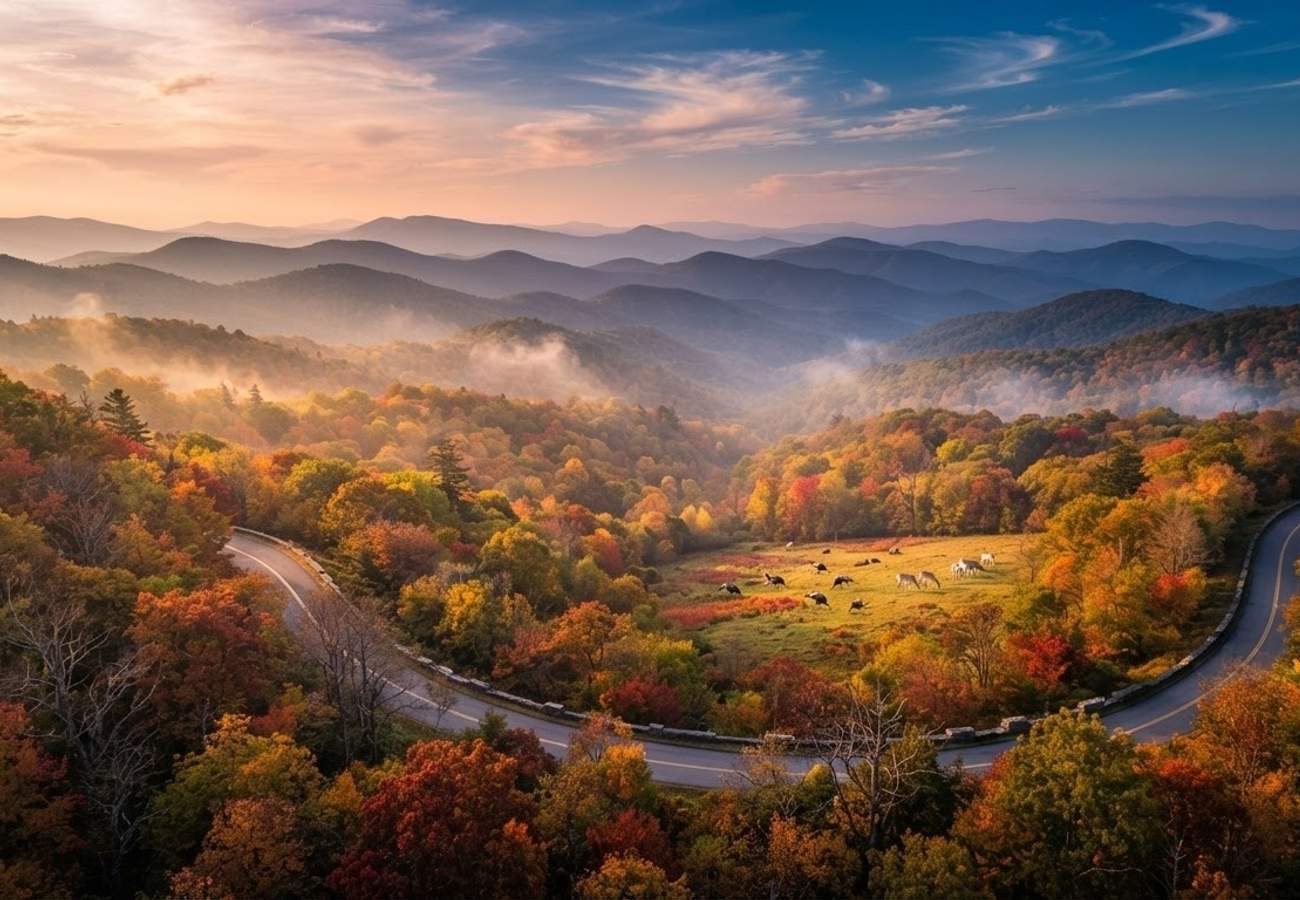
Image generated by AI
Tennessee continues to attract over 150 million annual visitors, maintaining its position as a premier US destination despite a 2026 CNBC ranking placing the state at the bottom for resident quality of life.
The Disruption: Resident Quality of Life vs. Visitor Appeal
A significant divergence has emerged between Tennessee's appeal as a global tourist destination and its viability as a place of residence. A 2026 assessment by CNBC ranked Tennessee as the lowest among US states for living conditions.
The ranking was based on several critical social and economic indicators, including:
- Healthcare access and quality
- Public safety and crime statistics
- Worker protections and workplace rights
- Environmental conditions
- Childcare availability and inclusiveness
Despite these internal systemic challenges, the state's tourism economy remains robust. Our analysis indicates that the "visitor experience"—centered on hospitality, entertainment, and natural beauty—operates independently of the long-term social pressures facing the state's permanent population.
Regional Impact Breakdown
Tennessee's tourism strength is distributed across three primary hubs, each serving a distinct traveler demographic:
The Great Smoky Mountains (Nature Tourism)
- Status: One of the most visited national parks in the US.
- Primary Draws: Appalachian wildlife, hiking trails, and autumn foliage.
- Management: Regulated by the National Park Service to balance conservation with high visitor volumes.
Nashville (Cultural & Entertainment Tourism)
- Status: Global hub for the music industry ("Music City").
- Key Assets: The Grand Ole Opry, Country Music Hall of Fame and Museum, and the Broadway entertainment district.
- Growth: Expanding into food tourism and urban city breaks.
Memphis (Heritage & History Tourism)
- Status: Primary destination for American civil rights and music history.
- Key Assets: Graceland, Beale Street, and Mississippi River waterfront.
- Focus: Authentic historical immersion and soul/blues music traditions.
Pigeon Forge (Family Tourism)
- Key Driver: Dollywood theme park.
- Impact: High secondary spend in local hotels, restaurants, and regional crafts.
Passenger Rights & Advisory
For the traveler visiting Tennessee in 2026, the contrast between resident rankings and tourist infrastructure means that while luxury and hospitality services remain high, public infrastructure in non-tourist zones may vary.
Transportation and Logistics Advisory:
- Road Trip Planning: Given the state's reliance on scenic highways for travel between Memphis, Nashville, and the East, passengers should ensure comprehensive vehicle insurance and real-time GPS monitoring, as rural infrastructure may not match the quality of urban tourist hubs.
- Healthcare Access: Since the state ranked low in healthcare access, travelers are strongly advised to maintain active travel insurance. For the affected passenger, this means ensuring your policy covers emergency medical evacuation or private clinic visits, as public healthcare availability may be limited outside major cities.
- Safety: While tourist districts are heavily monitored, we suggest utilizing official transportation apps and registered ride-share services when navigating non-commercial areas.
Industry Analyst View
The Tennessee case study highlights a growing trend in global tourism: the "Experience Gap." This occurs when a destination's brand identity—built on landmarks, music, and nature—outpaces the social infrastructure required to support its residents.
From an analytical perspective, Tennessee's ability to sustain 150 million visits annually despite negative social rankings suggests that "destination magnetism" is often decoupled from "livability." However, the long-term sustainability of this model depends on whether the state can leverage tourism revenue to improve the very quality-of-life metrics (healthcare, safety, and wages) that currently rank it lowest in the US.
The tension between a thriving visitor economy and struggling resident services defines the modern American travel paradox.
Related Travel Guides
Disclaimer
This article is for informational and educational purposes only. It does not constitute legal, financial, or professional advice. While we strive to provide accurate and up-to-date information, travel policies, regulations, and conditions change rapidly. Always verify information with official sources before making travel decisions. Nomad Lawyer makes no representations about the accuracy, reliability, completeness, or suitability of the information provided. Readers should consult qualified professionals for advice specific to their circumstances. The views expressed in this article are those of the author and do not necessarily reflect the views of Nomad Lawyer.
Naina Thakur
Contributor & Travel Specialist
Travel enthusiast and legal writer covering visa regulations, responsible tourism, and cultural journeys across global destinations.
Learn more about our team →