
Bucharest Tourism Safety Alert: Hundreds of Illegal Holiday Rentals Operating in High-Risk Earthquake Buildings in 2026
An investigation reveals over 200 illegal short-term rentals in Bucharest's most dangerous seismic zones, posing significant risks to the city's two million annual visitors.

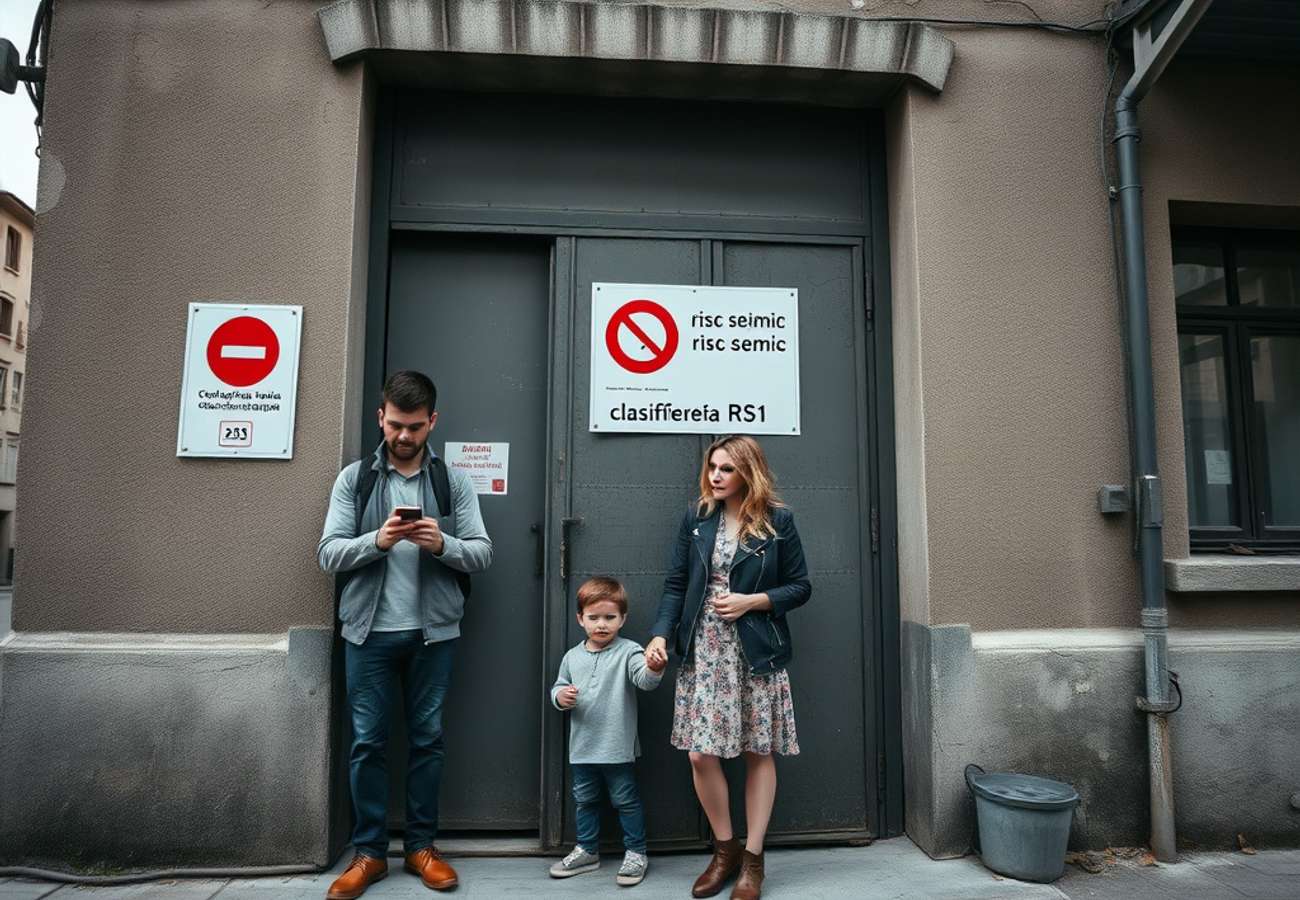
Image generated by AI
Bucharest is grappling with a critical safety crisis as hundreds of illegal short-term rentals continue to operate within buildings classified as having the highest risk of collapse during seismic events.
The Local Trend Revealed: A Hidden Danger in Urban Stays
While Bucharest has seen a surge in popularity—welcoming more than two million visitors during 2025—a dangerous trend has emerged in the shadows of its accommodation sector. A recent investigation has uncovered at least 207 short-term rental properties operating within buildings designated with the RS1 seismic classification. This is the most severe earthquake risk category in Romania, signifying a high probability of structural failure during a major tremor.
The scale of the risk is significant: these identified properties have the capacity to host more than 1,000 guests every night. The distribution of these illegal listings across major global platforms reveals a systemic failure in verification:
| Platform | Number of Confirmed RS1 Listings |
|---|---|
| Booking.com | 116 |
| Airbnb | 47 |
| Both Platforms | 44 |
Experts suggest these figures are conservative. Because many hosts omit exact addresses from their listings, the actual number of illegal rentals in high-risk zones is likely much higher.
Cultural & Environmental Value: The Fight for Structural Integrity
The push to ban rentals in RS1 buildings is not merely about tourism; it is a matter of urban survival. Bucharest is widely recognized as the most earthquake-prone capital in the European Union, primarily due to the volatile Vrancea region. The city's history is scarred by the 1977 earthquake, which killed more than 1,500 people, injured over 10,000, and saw 32 buildings collapse in under 60 seconds.
To combat this, Romania implemented strict legislation in 2024 prohibiting both holiday rentals and long-term leases in RS1-designated buildings. Currently, at least 404 buildings in Bucharest carry this classification. However, the transition to a safer city is slow. Since the updated legal framework of 1994, only 35 buildings have undergone full structural reinforcement.
The human cost of inaction is stark. A 2022 emergency assessment estimated that approximately 23,000 buildings in Bucharest could suffer severe damage in a future quake, with projections of 6,500 fatalities and 16,000 serious injuries in a worst-case scenario.
Visitor Insider Tips: How to Spot a High-Risk Rental
For the nomadic traveler or digital nomad visiting Bucharest, the burden of safety currently rests on the guest. Most platforms do not verify seismic compliance, and only two of the verified high-risk listings actually informed guests of the danger.
1. Look for the Red Dot Romanian law requires every RS1 building to display a red warning dot at the entrance accompanied by an official notice. If you see a red circular marker by the main door, the building is classified as high-risk.
2. Translate the Entrance Notices Since these warnings are written only in Romanian, use a translation app immediately upon arrival. Any mention of "risc seismic" or "clasificarea RS1" is a red flag.
3. Check for Community QR Codes Local volunteers have begun placing QR code stickers on self-check-in lockboxes of illegal RS1 rentals. If you see a non-official QR code near your keybox, scan it—it likely leads to safety information about the building's seismic status.
4. Prioritize Newer or Reinforced Builds When booking, ask the host explicitly if the building has undergone "seismic strengthening" (consolidare seismică) since 1994.
Tourism Outlook: The Path to a Safer Capital
The long-term viability of Bucharest as a top-tier destination depends on the city's ability to reconcile its growth with its geological reality. While the 2025 visitor numbers prove the city's appeal, the continued existence of illegal rentals undermines trust in the local hospitality infrastructure.
The current financial penalties for owners—ranging from 1,000 to 2,000 euros—are often seen as a mere cost of doing business compared to the revenue generated by high-demand short-term rentals. For Bucharest to secure its future, the focus must shift toward aggressive enforcement, mandatory platform verification, and a massive acceleration of the structural reinforcement programs that have lagged for decades.
Stay vigilant and prioritize verified safety over a low price tag when exploring the heart of Romania.
Related Travel Guides
Disclaimer
This article is for informational and educational purposes only. It does not constitute legal, financial, or professional advice. While we strive to provide accurate and up-to-date information, travel policies, regulations, and conditions change rapidly. Always verify information with official sources before making travel decisions. Nomad Lawyer makes no representations about the accuracy, reliability, completeness, or suitability of the information provided. Readers should consult qualified professionals for advice specific to their circumstances. The views expressed in this article are those of the author and do not necessarily reflect the views of Nomad Lawyer.
Raushan Kumar
Founder & Lead Developer
Full-stack developer with 11+ years of experience and a passionate traveller. Raushan built Nomad Lawyer from the ground up with a vision to create the best travel and law experience on the web.
Learn more about our team →