
Thailand Diesel Shortage: Fuel Crisis Deepens Across Provinces
Thailand faces a critical diesel shortage in March 2026 as fuel supplies dwindle and long queues form at pumps nationwide. Provinces including Chiang Mai, Nakhon Ratchasima, and Phrae struggle to manage surging demand amid limited inventory.

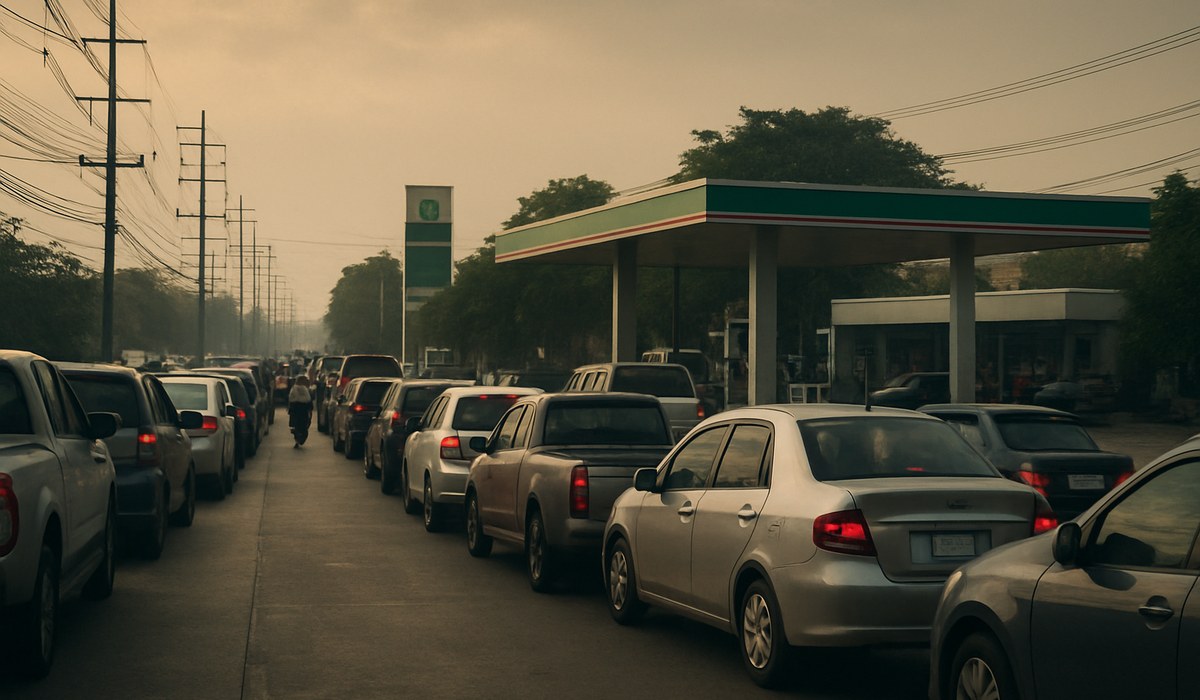
Image generated by AI
Thailand Diesel Shortage Crisis Reaches Critical Levels Nationwide
Thailand's fuel supply chain collapsed in late March 2026, triggering widespread diesel shortages across multiple provinces. Motorists face extended waiting periods—sometimes exceeding six hours—at petrol stations in rural and urban centers. The shortage has created cascading disruptions to transportation networks, affecting both domestic travel and regional supply chains. Government agencies scrambled to activate emergency fuel reserves while investigating the root causes of the supply chain breakdown.
The crisis emerged suddenly despite advance warning signs that were largely ignored by authorities. Chiang Mai, Nakhon Ratchasima, and Phrae provinces reported the most severe fuel depletion rates. Airline operations at regional airports, though not yet critically impaired, face potential logistical complications if the shortage persists beyond early April 2026.
Diesel Supply Chain Collapse in Chiang Mai and Northern Provinces
Chiang Mai experienced complete fuel depletion at approximately 60% of registered petrol stations by March 24, 2026. The northern province's tourism-dependent economy faces mounting pressure as rental car companies, shuttle services, and local buses struggle to maintain operations. Queues stretched across roadways, with drivers reporting average wait times of 4–6 hours to purchase 20–40 liters of diesel fuel.
Tourism operators estimate potential revenue losses exceeding 150 million Thai baht if fuel shortages persist for another week. Hotels and travel agencies have begun issuing advisories recommending visitors delay regional excursions. The Chiang Mai Chamber of Commerce formally requested government intervention, citing threats to the province's tourism season. Transportation fuel represents the second-largest operational cost for tour operators after staff wages.
Nakhon Ratchasima Struggles With Deepening Fuel Crisis
Nakhon Ratchasima recorded zero available fuel at 15 major distribution hubs as of March 24, 2026. The central province serves as a crucial logistics hub connecting Bangkok with northeastern Thailand. Commercial trucking companies were forced to divert routes or halt deliveries temporarily. Supply chains delivering fresh produce, manufactured goods, and raw materials experienced significant delays.
The crisis deepened regional economic uncertainty. Agricultural cooperatives reported difficulty transporting crops to Bangkok markets. Manufacturing plants in the Nakhon Ratchasima industrial zone announced potential production slowdowns. Officials estimated cumulative economic losses at 890 million Thai baht across the province within the first 48 hours of the fuel shortage.
Phrae Fuel Shortage Impacts Rural Transportation Networks
Phrae province's agricultural sector faced immediate operational disruption when diesel availability dropped below 15% of normal capacity. The province depends heavily on diesel for farming equipment, irrigation pumps, and rural transport. Farmers postponed field operations, delaying seasonal planting schedules by 7–10 days.
Rural clinics and emergency services experienced transportation challenges as ambulance fuel reserves depleted faster than anticipated. Phrae's government health office issued contingency protocols for critical medical transport. Local authorities rationed available fuel for emergency vehicles, reducing routine medical services in outlying villages.
Government Response and Emergency Fuel Distribution Measures
Thailand's Energy Ministry activated National Petroleum Reserve stocks on March 23, 2026, releasing 2.4 million liters of emergency diesel supplies. The government coordinated with PTT Public Company Limited—Thailand's state-owned energy corporation—to accelerate fuel deliveries from the Rayong refinery. Distribution hubs in Bangkok, Chiang Mai, Nakhon Ratchasima, and Phrae received priority allocations.
Officials declared a temporary 48-hour purchasing limit of 40 liters per vehicle to prevent panic hoarding. The Ministry of Transport suspended fuel-tax collection to reduce pump prices by 2.5 baht per liter, attempting to stabilize consumer purchasing behavior. However, government measures proved insufficient to meet aggregate demand immediately. Experts projected that normal fuel availability would resume within 5–7 days if the Rayong refinery maintained current production output.
Impact on Regional Airlines and Transportation Services
Airlines operating regional routes from Chiang Mai International Airport (CNX), Khon Kaen Airport (KKC), and Nakhon Ratchasima's secondary hub faced fuel sourcing challenges. Thai AirAsia and Bangkok Airways reported delays securing aviation fuel through normal supply contracts. Both carriers notified passengers of potential schedule disruptions lasting 48–72 hours.
Ground transportation services connected to airports were similarly strained. Shuttle operators reduced service frequency. Rental car companies implemented temporary vehicle rationing. Travelers experienced delays collecting reserved vehicles at airport counters. However, international flights from Bangkok's Suvarnabhumi Airport (BKK) and Don Mueang International Airport (DMK) continued operating normally due to dedicated aviation fuel storage facilities.
Traveler Action Checklist
-
Contact your airline immediately if you hold reservations on flights from Chiang Mai (CNX), Khon Kaen (KKC), or smaller regional airports through March 31, 2026.
-
Check real-time flight status on FlightAware before traveling to confirm departure schedules and gate assignments.
-
Book accommodation in Bangkok if traveling to northern or central Thailand; consider postponing regional excursions by 48–72 hours until fuel supplies normalize.
-
Confirm rental car availability with your provider at least 24 hours in advance; fuel-dependent services may have reduced fleets.
-
Refuel your vehicle early in the day; evening queues often exceed 8 hours at operating petrol stations.
-
Request written confirmation from airlines regarding rebooking options and refunds for canceled or significantly delayed flights. Review IATA passenger rights standards.
-
Monitor official updates from Thailand's Ministry of Energy and your airline daily; fuel availability data changes rapidly.
-
Keep emergency supplies in your vehicle: water, snacks, phone chargers, and medications—delays may exceed six hours.
Critical Fuel Availability Data: Thailand March 2026
| Province | Available Stations | Estimated Wait Time (Hours) | Emergency Reserve Status | Population Served | Projected Resolution Date |
|---|---|---|---|---|---|
| Chiang Mai | 40% operational | 4–6 | Activated | 1.7 million | March 28, 2026 |
| Nakhon Ratchasima | 15% operational | 5–7 | Activated | 2.6 million | March 29, 2026 |
| Phrae | 20% operational | 6–8 | Activated | 0.6 million | March 27, 2026 |
| Bangkok | 85% operational | 0.5–1.5 | Monitoring | 5.1 million | Normal |
| Khon Kaen | 30% operational | 4–5 | Activated | 1.8 million | March 28, 2026 |
| Rayong Refinery Output | 97% capacity | N/A | Full production | Supply hub | Ongoing |
What This Means for Travelers
The thailand diesel shortage presents immediate challenges for anyone planning trips to affected regions through late March 2026. Ground transportation will experience delays regardless of your mode: rental cars, taxis, buses, and intercity vans all depend on available diesel fuel.
Budget extra time for journey legs—expect additional 2–4 hours on routes connecting Bangkok with Chiang Mai, Nakhon Ratchasima, or Phrae. Check your airline's website for flight schedule updates before departing for the airport. Many carriers have implemented 90-minute buffer windows between domestic connections.
Book return flights from Chiang Mai (CNX) or Khon Kaen (KKC) during morning departure slots when fuel reserves are typically highest. Evening flights carry higher cancellation risk. Hotels in affected provinces should offer free room extensions if you become stranded; confirm this policy before booking.
Travelers with flights within 48 hours may contact their airline to explore rebooking options to Bangkok (BKK) or Don Mueang (DMK) without penalty fees. Document all communication regarding delays or cancellations for potential compensation claims under US DOT or equivalent Thai aviation authority regulations.
Frequently Asked Questions
Will the thailand diesel shortage affect international flights from Bangkok? No. Bangkok's primary airports (Suvarnabhumi BKK and Don Mueang DMK) maintain independent aviation fuel storage with 45-day reserve capacity. International flight schedules continue normally. Regional flights from Chiang Mai (CNX) and Khon Kaen (KKC) face higher disruption risk.
How long will it take to resolve the thailand diesel shortage? The Energy Ministry projects fuel supply normalization within 5–7 days if the Rayong refinery maintains 97% production capacity. Provincial distribution should reach 90% of normal availability by March 29–30, 2026. However, this timeline depends on no additional supply chain disruptions.
Can I get a refund if my regional flight is delayed due to fuel shortages? Airlines are not obligated to offer cash refunds for weather or fuel supply delays classified as "acts beyond the carrier's control" under IATA regulations. However, carriers must provide alternative transportation or rebook you on the next available flight. Request written confirmation of rebooking terms and save all receipts.
Should I cancel my Chiang Mai trip scheduled for March 25–27, 2026? Cancellation is recommended unless your itinerary remains within Bangkok or includes flexible ground transportation dates. If you proceed, book hotels with free cancellation through March 27 and confirm flight schedules 48 hours before travel. Expect 4–6 hour delays on regional road routes.
Related Travel Guides
- Delta Air Lines Regional Route Cuts: Small U.S. Cities Face Hub Flight Loss in 2026
- Karnataka Hold Workshop in Hampi to Finalise Global Standard Tourist Sites
- Uttarakhand: Over 23,000 Devotees Visit Yamunotri and Gangotri Shrines Despite Adverse Weather
Disclaimer
Disclaimer
This article is for informational and educational purposes only. It does not constitute legal, financial, or professional advice. While we strive to provide accurate and up-to-date information, travel policies, regulations, and conditions change rapidly. Always verify information with official sources before making travel decisions. Nomad Lawyer makes no representations about the accuracy, reliability, completeness, or suitability of the information provided. Readers should consult qualified professionals for advice specific to their circumstances. The views expressed in this article are those of the author and do not necessarily reflect the views of Nomad Lawyer.
Kunal K Choudhary
Co-Founder & Contributor
A passionate traveller and tech enthusiast. Kunal contributes to the vision and growth of Nomad Lawyer, bringing fresh perspectives and driving the community forward.
Learn more about our team →