
TCU Study Finds American Airlines Generates $71 Billion Annual Economic Impact for North Texas
A new analysis from Texas Christian University reveals American Airlines contributes up to $71 billion annually to the North Texas economy, supporting thousands of jobs and regional infrastructure.

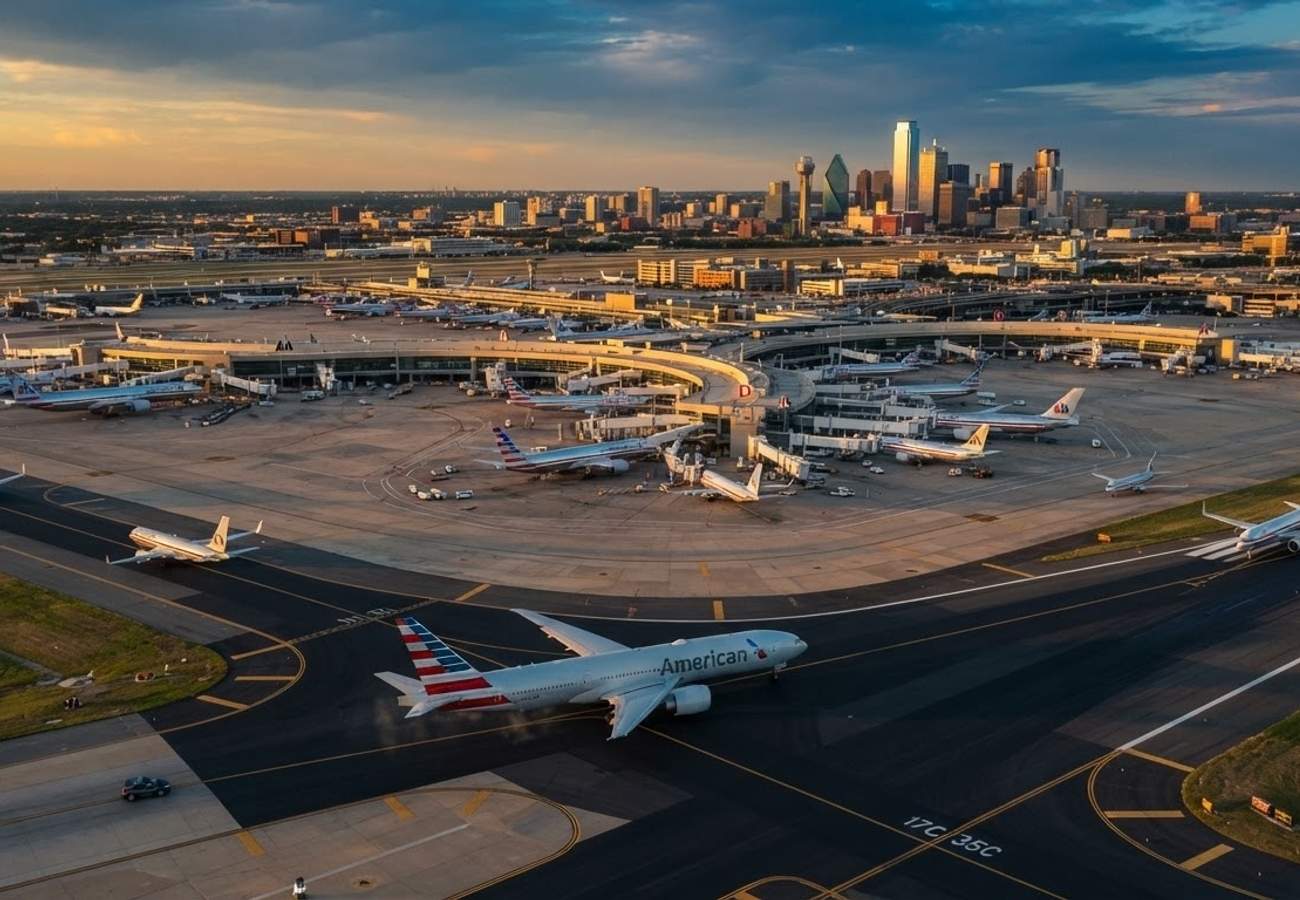
Image generated by AI
A recent Texas Christian University (TCU) analysis reveals that American Airlines drives up to $71 billion in annual economic activity across North Texas. This massive financial footprint underscores the carrier's role as a primary engine for regional employment and infrastructure growth.
The study provides a granular look at how the presence of American Airlines—specifically its corporate headquarters and its massive hub at Dallas Fort Worth International Airport (DFW)—creates a ripple effect throughout the regional economy. This $71 billion figure is not limited to ticket sales; it encompasses direct corporate spending, employee payroll, and the "induced" effects that stimulate local retail, hospitality, and professional services.
The Mechanics of a $71 Billion Aviation Ecosystem
The TCU research isolates American Airlines as a single corporate entity to determine its specific contribution to the Texas economy. The findings suggest that North Texas has become one of the most aviation-dependent metropolitan areas in the United States.
The economic impact is divided into three primary streams:
- Direct Spending: Capital investments in aircraft maintenance, IT infrastructure, and airport facilities.
- Employment Payroll: High-wage positions in flight operations, engineering, finance, and management that fuel local housing and healthcare markets.
- Indirect Effects: The growth of a specialized "aviation cluster," where third-party contractors, catering services, and logistics firms settle in the region to support the airline.
DFW Hub: The Engine of Regional Connectivity
The scale of the Dallas Fort Worth International Airport hub is the central pillar of this economic success. As American's largest hub and one of the world's busiest airports by passenger volume, DFW serves as more than just a transit point; it is a global gateway that attracts other businesses to the region.
The study highlights that many corporations choose to relocate or expand in North Texas specifically because of the extensive domestic and international route network provided by American. This connectivity facilitates seamless access to European and Latin American markets, making the region a magnet for Fortune 500 companies.
Furthermore, the "connecting traffic" phenomenon provides a hidden boost to the local economy. Passengers who do not start or end their journey in Texas still contribute to the tax base and local revenue through spending at airport concessions and the utilization of ground handling and fueling services.
Regional Spillover and Public Finance
The influence of American Airlines extends far beyond the runway. The TCU analysis points to significant spillover effects in the real estate and tourism sectors.
- Real Estate: Steady demand for office and industrial space is maintained by the cluster of travel-related tenants surrounding the headquarters and airport.
- Tourism: The airline's route map is a fundamental tool for attracting international conventions and leisure travelers, who spend heavily on local dining and entertainment.
- Public Infrastructure: The tax revenues generated by these activities fund essential public services, including schools and transportation projects.
Economic Resilience and Future Risks
While the $71 billion figure represents a position of strength, it also highlights a systemic vulnerability. The concentration of economic activity within a single carrier and hub means that any significant disruption to the airline's operations can have immediate, negative effects on the broader community.
The pandemic served as a case study for this fragility, showing how a drop in air travel quickly impacted everything from ride-share drivers to hotel operators. However, with DFW now surpassing pre-pandemic passenger volumes, the region is utilizing the TCU data to build a more resilient baseline for future growth.
As American Airlines and DFW Airport pursue expansions for new terminals and gates, this economic valuation will likely serve as the primary benchmark for policymakers debating land use and transportation priorities in North Texas.
North Texas Aviation Economic Summary
| Impact Category | Primary Driver | Economic Result |
|---|---|---|
| Total Annual Impact | Combined Operations | Up to $71 Billion |
| Employment | Corporate & Hub Staffing | Tens of thousands of direct/indirect jobs |
| Regional Growth | Route Connectivity | Increased corporate relocations to North Texas |
| Public Revenue | Passenger & Corporate Spend | Increased tax receipts for infrastructure/schools |
| Infrastructure | Hub Expansion | New terminals and expanded gate facilities |
Key Takeaways
- Massive Scale: American Airlines generates up to $71 billion annually for North Texas.
- Job Creation: The airline supports a vast network of high-wage roles in engineering, flight ops, and management.
- Strategic Magnet: DFW's connectivity is a primary reason other corporations relocate to the region.
- Systemic Importance: The regional economy is highly sensitive to the airline's fleet and staffing strategies.
FAQ
How was the $71 billion figure calculated? The TCU study analyzed direct spending by American Airlines, the spending power of its employees, and the indirect revenue generated for suppliers and hospitality businesses tied to air travel.
Does this include passengers who are just connecting? Yes. The study accounts for connecting passengers who spend money on airport services and the operational costs associated with handling those flights.
Why does this matter for people not working in aviation? The "multiplier effect" means that high airline salaries and corporate investments flow into local housing, retail, and public services, benefiting the general population through improved infrastructure and a stronger tax base.
The symbiotic relationship between American Airlines and North Texas continues to redefine the region's global economic standing.
Related Travel Guides
Disclaimer
This article is for informational and educational purposes only. It does not constitute legal, financial, or professional advice. While we strive to provide accurate and up-to-date information, travel policies, regulations, and conditions change rapidly. Always verify information with official sources before making travel decisions. Nomad Lawyer makes no representations about the accuracy, reliability, completeness, or suitability of the information provided. Readers should consult qualified professionals for advice specific to their circumstances. The views expressed in this article are those of the author and do not necessarily reflect the views of Nomad Lawyer.
Raushan Kumar
Founder & Lead Developer
Full-stack developer with 11+ years of experience and a passionate traveller. Raushan built Nomad Lawyer from the ground up with a vision to create the best travel and law experience on the web.
Learn more about our team →