
The Texas Triangle Travel Surge: How Gen Z and Millennial Influx is Transforming Four Southern Metropolises in 2026

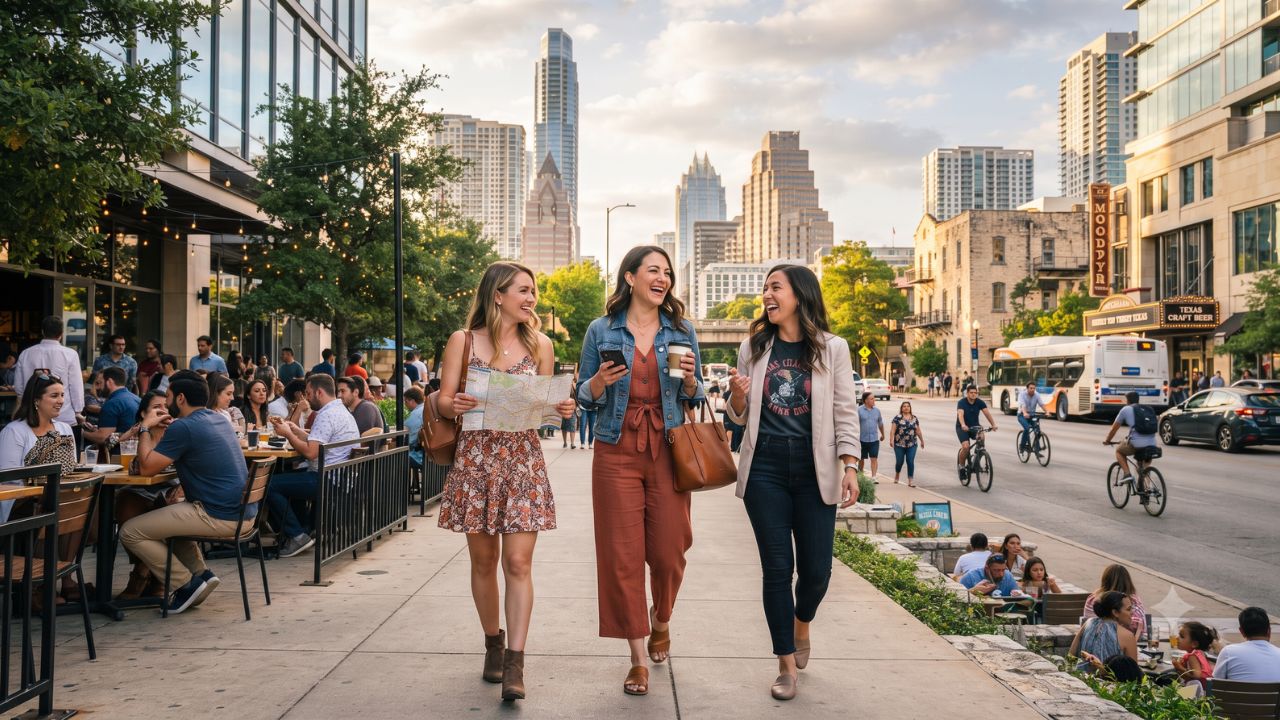
Capturing a net annual influx of over 10,678 young adults, San Antonio has officially surpassed Washington D.C., Austin, and Nashville to become the single most popular relocation destination in the United States for Gen Z. Meanwhile, Houston leads the entire nation for Millennial migration with a net inflow exceeding 16,000 new residents, creating an unprecedented cultural and culinary renaissance across the four anchor metropolises of the Texas Triangle.
The historic demographic migration away from high-cost coastal states in California and the Northeast toward the Lone Star State is fundamentally reshaping American urban tourism. Propelled by zero personal state income tax, diverse employment markets spanning aerospace, technology, biomedical healthcare, and renewable energy, this population influx has energized local neighborhood scenes. For traveling foodies, music aficionados, and urban explorers, the Texas Triangle—connecting San Antonio, Austin, Houston, and Dallas-Fort Worth—offers one of the most dynamic lifestyle circuits in North America.
Two Generations Fuel Distinct Urban Renaissances Across the Texas Triangle
The latest demographic records compiled from U.S. Census Bureau data reveal a generational divergence in where younger Americans choose to establish roots, dividing the state into specialized cultural hubs:
- San Antonio Leads Gen Z Growth (+10,678 Net Inflow): Ahead of Washington, D.C. (+8,631), Austin (+8,590), Nashville (+8,093), and Dallas-Fort Worth (+6,944). Gen Z professionals prioritize entry-level affordability, military and healthcare career tracks, and walkable heritage districts.
- Houston Dominates Millennial Family Migration (+16,000+ Net Inflow): Followed by Dallas-Fort Worth, Atlanta, and Las Vegas. In their 30s and 40s, Millennials seek attainable single-family homes, international culinary variety, and career opportunities across aerospace, energy, and the Texas Medical Center.
- Austin’s Creative Technology Powerhouse: Continues as the tech and festival epicenter, drawing national talent into live music corridors, startup incubators, and outdoor spring-fed swimming holes along the Barton Creek Greenbelt.
- Dallas-Fort Worth Corporate and Cultural Epicenter: Fuses major financial services headquarters with historic stockyard heritage, world-class arts districts, and major sports entertainment arenas.
This population surge creates a self-reinforcing tourism economy. As new residents demand independent coffee roasteries, craft cider houses, boutique hotel renovations, and contemporary art galleries, domestic travelers reap the benefits of four distinct, interconnected lifestyle cities.
What Makes the Four Texas Triangle Metropolises Distinct
Each anchor city within the Triangle offers a unique cultural identity, shaped by centuries of history and rapid modern innovation:
San Antonio preserves deep Spanish colonial foundations. Designated as a World Heritage site under the National Park Service, the San Antonio Missions National Historical Park—spanning Mission Concepción, San José, San Juan, and Espada—anchors an eight-mile riverfront cycling corridor. The city’s famous River Walk (Paseo del Río) and historic Pearl District brewery complex celebrate Mexican-American culinary traditions recognized by UNESCO as a Creative City of Gastronomy.
Austin pulses to the rhythm of live music venues clustered along Red River Cultural District and South Congress Avenue. Promoted by Travel Texas, the state capital balances high-octane tech campuses with beloved limestone swimming springs like Barton Springs Pool and kayaking routes along Lady Bird Lake.
Houston stands as America’s most culturally diverse metropolis. Home to NASA’s Johnson Space Center and the leafy 18-museum Houston Museum District, the city’s culinary scene features authentic Vietnamese-Cajun crawfish boil joints in Asiatown, West African jollof rice eateries, and Oaxacan wood-fired kitchens.
Dallas-Fort Worth presents a fascinating contrast between high-gloss modernism and cowboy heritage. Downtown Dallas features the 68-acre Dallas Arts District—the largest contiguous urban arts district in the nation—while neighboring Fort Worth celebrates western ranching history with daily cattle drives through the historic Stockyards.
Visitor Insider Tips
Navigating the Texas Triangle’s expansive road corridors, historic neighborhoods, and food scenes requires local insider knowledge:
- Plan a Multi-City Rail and Road Loop: The distance between San Antonio and Austin is just 80 miles (under 90 minutes via I-35), while Houston and Dallas-Fort Worth sit approximately three to four hours by car or regional express bus. Consider flying into San Antonio International Airport and departing from Dallas/Fort Worth International Airport.
- Tackle the Morning Heat: Texas summers are intensely hot. Schedule outdoor river walks, mission biking, and nature trail excursions between 7:00 AM and 10:30 AM, retreating to world-class air-conditioned art museums during peak afternoon temperatures.
- Authentic Culinary Specialties: In San Antonio, order authentic breakfast tacos on fresh handmade flour tortillas with slow-smoked barbacoa and big red. In Austin, line up early for Central Texas post-oak smoked brisket at local smokehouses. In Houston, experience Viet-Cajun garlic butter butter-poached seafood boils.
- Barton Springs Pool Etiquette: When visiting Austin's Barton Springs, remember that coolers, glass containers, and outside food are strictly prohibited on the grassy hillsides to protect the endangered Barton Springs salamander habitat.
- Base Yourself in Walkable Neighborhoods: Instead of sprawling highway hotels, book boutique stays in walkable urban pockets: King William or The Pearl in San Antonio; South Congress or East Austin in Austin; Montrose or the Heights in Houston; and Bishop Arts District in Dallas.
Cultural and Environmental Context
The explosive growth of the Texas Triangle presents significant ecological and urban management challenges. Rapid suburban sprawl increases pressure on fragile regional water resources, specifically the Edwards Aquifer, which supplies clean drinking water and natural artesian springs to millions of residents across central Texas.
In response, municipal initiatives and conservation groups are expanding urban greenbelts, restoring native prairie wetlands along Houston's bayous, and expanding protected bike corridors. Conscientious travelers are encouraged to explore regional parks using public transit and bike-share programs, support minority-owned independent eateries, and respect water conservation rules at natural springs, ensuring that Texas's urban vitality thrives alongside its delicate natural ecosystems.
FAQ: Visiting the Texas Triangle Cities 2026
What is the best time of year to visit Texas Triangle cities?
Autumn (October to November) and spring (March to May) offer pleasant daytime temperatures between 20°C and 26°C, ideal for outdoor festivals, patio dining, and nature walks.
How do I travel between Austin, San Antonio, Houston, and Dallas?
Travelers can drive via Interstate highways (I-35, I-10, and I-45), utilize daily Amtrak Texas Eagle train services between San Antonio, Austin, and Dallas, or book regional flights.
Is San Antonio's River Walk suitable for cycling?
The downtown commercial loop is strictly for pedestrians, but the extended Mission Reach path south of downtown provides eight miles of paved, scenic cycling paths connecting historic missions.
Do you need a car to get around Houston?
While having a rental car is convenient for reaching outer districts, Houston's METRORail connects Downtown, the Museum District, and the Texas Medical Center efficiently.
From Spanish colonial mission bells to the neon hum of Austin music clubs, the Texas Triangle proves that America's urban future is written where deep heritage meets bold youthful energy.
Related Travel Guides
Disclaimer
This article is for informational and educational purposes only. It does not constitute legal, financial, or professional advice. While we strive to provide accurate and up-to-date information, travel policies, regulations, and conditions change rapidly. Always verify information with official sources before making travel decisions. Nomad Lawyer makes no representations about the accuracy, reliability, completeness, or suitability of the information provided. Readers should consult qualified professionals for advice specific to their circumstances. The views expressed in this article are those of the author and do not necessarily reflect the views of Nomad Lawyer.
Naina Thakur
Contributor & Travel Specialist
Travel enthusiast and legal writer covering visa regulations, responsible tourism, and cultural journeys across global destinations.
Learn more about our team →