
Tavira Positions Eastern Algarve Beyond Mass Tourism with Expanded UK Flight Connections and Ilha de Tavira Ferry Logistics for 2026 Visitors
Tavira in Eastern Algarve offers a low-density coastal alternative to Albufeira and Lagos, featuring the 8-mile Praia da Ilha de Tavira and ferry logistics.

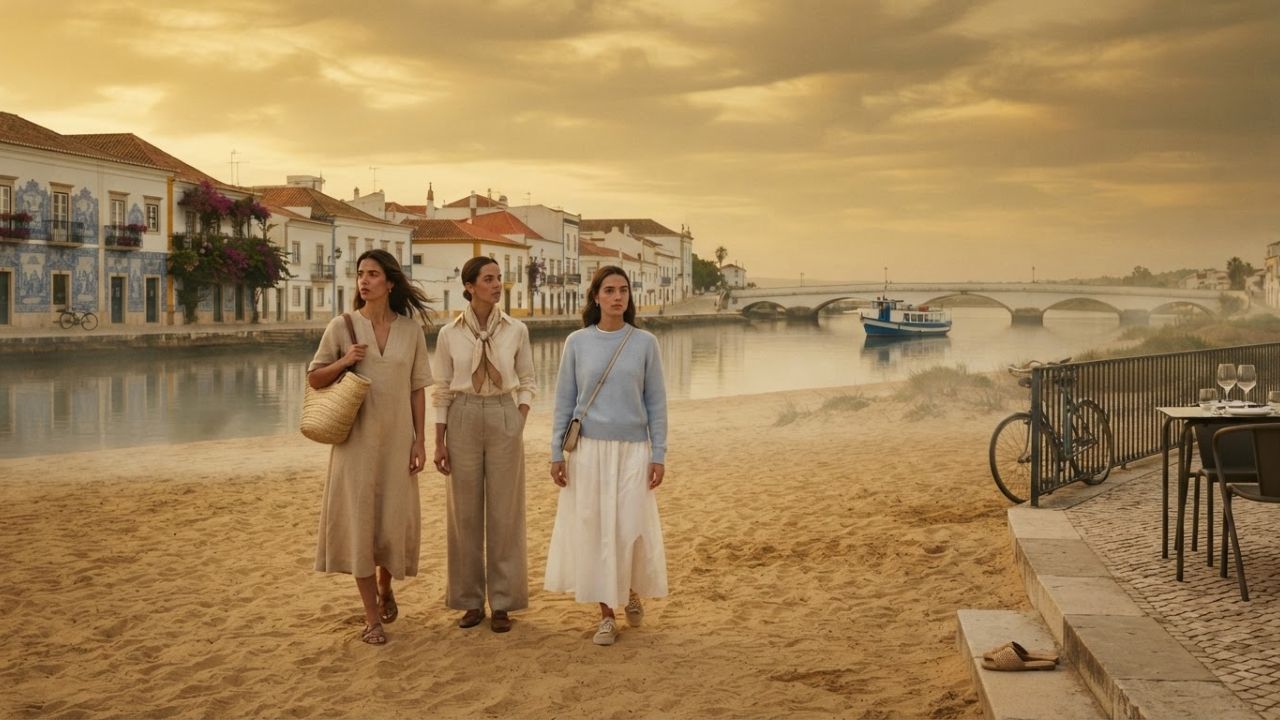
Image generated by AI
The historical town of Tavira in the Eastern Algarve is emerging as a premier destination for low-density, sustainable coastal travel across southern Portugal. Supported by expanded direct flight connections from the UK into Faro Airport (FAO), the municipality offers a regional alternative to high-density resort hubs like Albufeira and Lagos.
Regional tourism bodies across the Algarve (Região de Turismo do Algarve) are actively promoting the eastern district between Faro and the Spanish border to redistribute visitor volume. Tavira, positioned along the banks of the Gilão River (Rio Gilão), combines well-preserved 18th-century architecture, Moorish heritage, and low-impact eco-tourism within the protected Ria Formosa Natural Park.
Eastern Algarve Tourism Shift vs Central Resort Corridors
Unlike the high-rise hotel districts and intense nightlife characterizing central and western Algarve destinations like Albufeira, Vilamoura, and Lagos, Tavira maintains strict municipal zoning laws that limit mass-scale commercial developments.
Regional Infrastructure Comparison
| Parameter | Central / Western Algarve (Albufeira / Lagos) | Eastern Algarve (Tavira District) |
|---|---|---|
| Development Profile | High-density resort complexes, marina hubs | Low-density historic architecture, traditional estates |
| Beach Access Type | Cliffside coves, direct urban boardwalk access | Barrier island beaches reached via ferry / water taxi |
| Protected Natural Zones | Local cliff preserves, marine caves | Ria Formosa Natural Park (Ramsar wetland site) |
| Primary Airport Connection | Faro Airport (FAO) - 35 to 85 km west | Faro Airport (FAO) - 38 km west via A22 / N125 |
| Transit Network | CP Regional Rail, Vamus Algarve express buses | CP Regional Rail (Linha do Algarve), local ferries |
This strategic positioning attracts independent travelers, heritage enthusiasts, and long-stay visitors seeking authentic regional culture alongside low-crowd coastal access.
Coastal Access Logistics: Ferry Operations to Praia da Ilha de Tavira
Because Tavira's coastline is separated from the mainland by the saltwater channels and sand dunes of the Ria Formosa estuary, reaching the primary ocean beach—Praia da Ilha de Tavira—requires maritime transport.
+-----------------------------------------------------------------------------------+
|                        TAVIRA BARRIER ISLAND FERRY ROUTE                          |
+-----------------------------------------------------------------------------------+
|  TAVIRA MAINLAND LOCATIONS       RIA FORMOSA CHANNELS       ILHA DE TAVIRA        |
|                                                                                   |
|  Tavira Town Center Pier -----\                                 Praia da Ilha     |
|  (Cais da R. do Cais)         |==[20-Min Ferry Crossing]===>   de Tavira         |
|                               |  (Operates Mar - Oct)           (8-Mile Sandbar / |
|  Quatro Águas Terminal -------/                                  Dune Preserve)   |
|  (Year-Round Car Park/Pier)                                                       |
+-----------------------------------------------------------------------------------+
Ferry Operating Parameters
- Beach Reach: Praia da Ilha de Tavira features an uninterrupted 8-mile (13 km) golden sand shoreline bordering the Atlantic Ocean.
- Mainland Departure Points:
- Town Center Pier (Cais da Rua do Cais): Located along the Gilão River in central Tavira. Seasonal operation from May through September.
- Quatro Águas Terminal (Cais das Quatro Águas): Located 2 km downstream at the river mouth, equipped with parking facilities. Year-round ferry service.
- Operating Season: Regular scheduled ferries run continuously from March through October.
- Transit Duration: Approximately 20 minutes from the town center pier; 10 minutes from Quatro Águas.
- Water Taxi Alternatives: Small private water taxis (táxis marítimos) operate 24/7 on demand between Quatro Águas, Ilha de Tavira, and Santa Luzia.
Due to the barrier island's sheltered position, water temperatures at Praia da Ilha de Tavira remain slightly warmer than exposed western Atlantic beaches, providing favorable conditions for swimming between May and October.
Heritage Architecture and Environmental Integration
Beyond coastal access, Tavira's urban grid reflects centuries of Roman, Moorish, and maritime trading history:
- Ponte Romana (Seven-Arched Bridge): Spanning the Gilão River, this historic pedestrian bridge links the eastern and western halves of the old town, serving as a focal gathering point during evening hours.
- Castelo de Tavira (Moorish Castle Ruins): Positioned on the highest hill of the old town, the castle walls surround a formal botanical garden. Entrance is free of charge, offering 360-degree views over Tavira's traditional tiled roofs (telhados de tesoura) and salt pans.
- Ria Formosa Biodiversity: The surrounding lagoons and marine marshes, managed under the Institute for Nature Conservation and Forests (ICNF), provide critical feeding grounds for migratory flamingos, spoonbills, sea turtles, and bottleneck dolphins.
Regional Logistics & Transit Optimization
Travelers connecting to Tavira from international origins can utilize several multi-modal transit corridors across the Algarve.
Gateway Transit from Faro Airport (FAO)
- By Rail (Comboios de Portugal - CP):
- Take a local taxi or Vamus Bus Line 16 from Faro Airport to Faro Railway Station (Estação de Faro).
- Board the Linha do Algarve regional train northbound toward Vila Real de Santo António, arriving at Tavira Station in approximately 35 to 40 minutes.
- By Direct Bus (Vamus Algarve):
- Vamus Line 67 and Line 66 connect Faro Central Bus Station (Terminal Rodoviário) directly to Tavira Bus Station (Terminal Rodoviário de Tavira).
- By Road:
- Drivers can access Tavira via the A22 toll motorway (Exit 16 - Tavira) or the toll-free N125 national highway, covering the 38 km distance in roughly 30 minutes.
European Entry and Digital Customs Compliance
UK and non-EU passport holders arriving at Faro Airport must complete Schengen entry inspections. Travelers are reminded that European Travel Information and Authorization System (ETIAS) regulations apply for visa-exempt international arrivals entering Portugal.
Related Travel Guides
Portugal Algarve Autumn Tourism Occupancy Reaches September Milestones
Spain Leads 15% Canadian Tourism Surge as Mediterranean Demand Outpaces Portugal and Italy in 2026
The 10 Best Hidden Gem Coastal Towns in the Algarve, According To Reddit
Disclaimer
This article is for informational and educational purposes only. It does not constitute legal, financial, or professional advice. While we strive to provide accurate and up-to-date information, travel policies, regulations, and conditions change rapidly. Always verify information with official sources before making travel decisions. Nomad Lawyer makes no representations about the accuracy, reliability, completeness, or suitability of the information provided. Readers should consult qualified professionals for advice specific to their circumstances. The views expressed in this article are those of the author and do not necessarily reflect the views of Nomad Lawyer.
Raushan Kumar
Founder & Lead Developer
Full-stack developer with 11+ years of experience and a passionate traveller. Raushan built Nomad Lawyer from the ground up with a vision to create the best travel and law experience on the web.
Learn more about our team →