
Tasmania Agri-Tourism Report 2026: Farm Stays Exempted from Short-Stay Levy to Fuel Regional Growth
Tasmanian agri-tourism properties have been exempted from the upcoming short-stay levy, a strategic move to support small farm businesses and boost regional tourism growth.

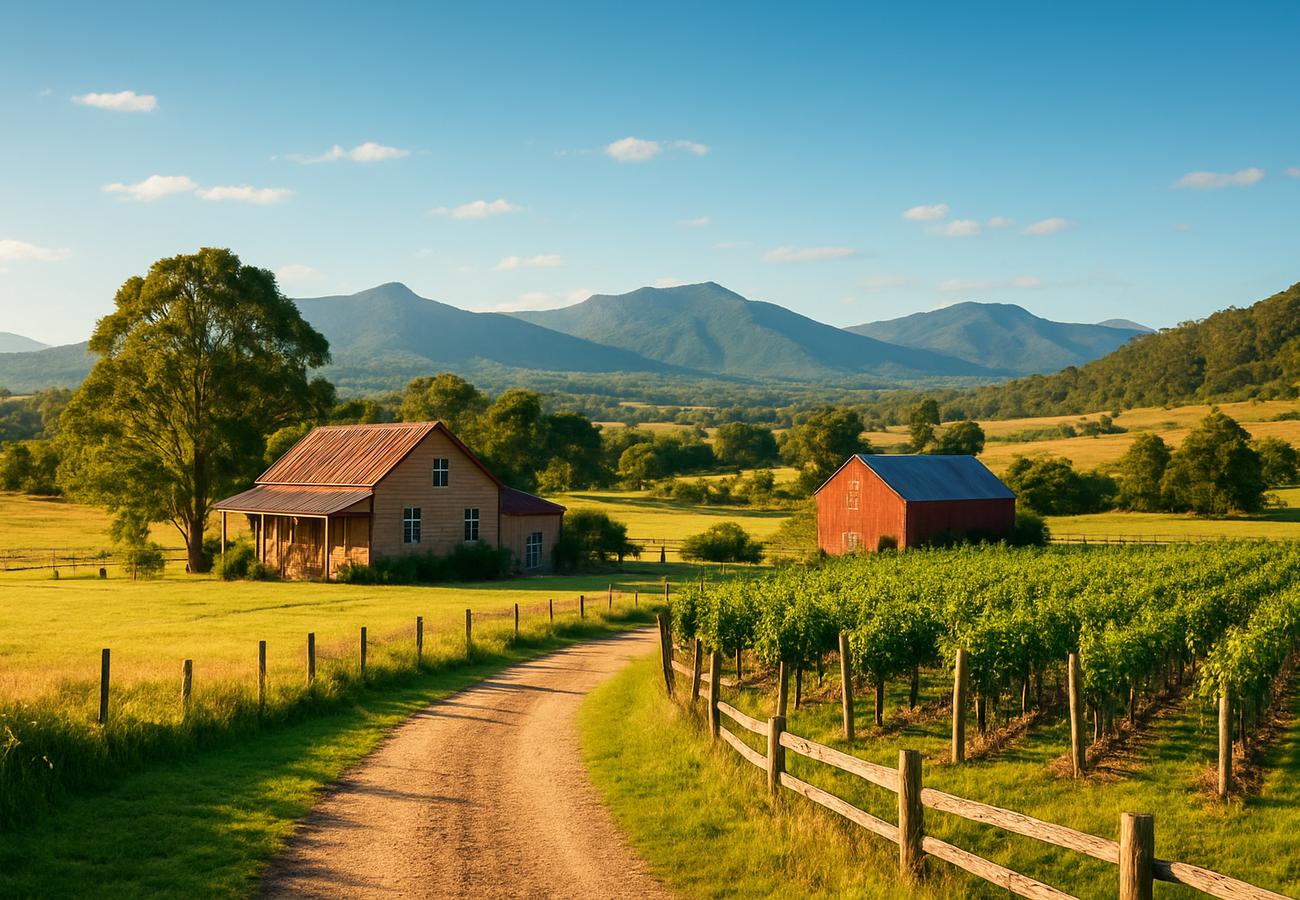
Image generated by AI
Quick Summary
- Policy Update: Agri-tourism premises in Tasmania are now officially excluded from the state’s upcoming short-stay levy.
- Implementation: The short-stay levy is scheduled to commence on January 1, 2027.
- Legislative Driver: The exemption follows a successful amendment introduced by Vica Bayley (Greens), supported by a majority in the Lower House.
- Target Sector: The move specifically protects small-scale farm stays, educational agri-tourism sites, and rural properties that cannot be used for residential purposes.
- Economic Impact: The exemption is designed to support farm income diversification and drive economic activity in regional Tasmania.
- Strategic Alignment: By separating agri-tourism from residential housing policies, the state aims to boost its sustainable and regenerative tourism credentials.
- Ongoing Advocacy: Operators are seeking further legislative clarity to ensure the definition of short-stay accommodation matches the Tasmanian Planning Scheme.
- Source: Tasmanian Parliament Lower House debate records and Agri-Tourism Sector reports as of May 7, 2026.
Tasmania has solidified its commitment to rural economic development by exempting agri-tourism properties from the controversial short-stay levy, marking a pivotal moment for the state's small farm businesses. On May 7, 2026, a bipartisan-supported amendment confirmed that farm stays and educational agricultural premises will be spared from the new tax, which is set to launch on January 1, 2027. This decision recognizes the unique nature of agri-tourism—a sector that has expanded rapidly over the past decade as travelers increasingly seek authentic, sustainable, and educational rural experiences. By removing the levy burden from properties that are legally distinct from the residential housing market, the Tasmanian government is providing a critical lifeline for farmers looking to diversify their revenue streams, ultimately fostering a more resilient regional economy and preserving the state’s rich agricultural heritage.
Tasmania Short-Stay Levy and Agri-Tourism Exemption: Policy Overview
The following table summarizes the key components of the new levy structure and the specifics of the agri-tourism carve-out.
| Policy Feature | Data / Detail | Impact on Agri-Tourism |
|---|---|---|
| Levy Commencement | January 1, 2027 | Future Certainty |
| Agri-Tourism Status | Exempted | Tax-Free Growth |
| Legislative Support | Greens, Labor, & Independents | Bipartisan Stability |
| Exemption Scope | On-Farm Visitor Accommodation | Protects Diversification |
| Primary Goal | Support Small Farm Businesses | Economic Resilience |
| Housing Policy Link | Distinct from Residential Units | No Impact on Housing Supply |
| Regional Focus | Rural & Remote Tasmania | Tourism Dollars to Farms |
Legislative Breakthrough: The Agri-Tourism Amendment and the 2027 Levy
The exemption is the result of focused advocacy and political collaboration:
- Vica Bayley Amendment: The Greens Deputy Leader successfully argued that taxing farm stays would unfairly penalize businesses that do not contribute to the housing crisis.
- Broad Support: The amendment passed with a clear majority, signaling a unified approach to protecting Tasmania's rural identity.
- Timeline: The 2027 start date allows agri-tourism operators to plan their investments without the immediate threat of a new tax burden.
Small Farm Resilience: Protecting Diversified Income Streams from Taxation
For many Tasmanian farmers, agri-tourism is no longer a "side project" but a core economic pillar:
- Income Diversification: Farm stays provide a vital buffer against fluctuating commodity prices and climate-related agricultural challenges.
- Levy Relief: By avoiding the levy, small-scale operators can remain competitive against larger commercial hotels and platform-based urban rentals.
- Operational Security: The exemption ensures that revenue generated from tourism stays can be reinvested directly into farm maintenance and sustainable practices.
The Economic Value of Agri-Tourism: Driving Growth in Regional Tasmania
Agri-tourism acts as a "multiplier" for the rural economy:
- Local Support: Visitors to farm stays also spend at regional restaurants, craft shops, and independent tour companies.
- Job Creation: The sector supports new employment opportunities in hospitality and educational guiding within rural communities.
- Preservation: Tourism revenue helps maintain heritage farm buildings and landscapes that might otherwise fall into disrepair.
Authentic Experiences: The Surge in Demand for Sustainable Farm Stays
Tasmania is positioned to capture the global "authentic travel" market:
- Immersive Learning: Modern tourists are seeking a deeper connection to their food sources and the farming lifestyle.
- Sustainable Branding: The state’s reputation for clean, green produce is reinforced by agri-tourism properties that showcase regenerative farming methods.
- Off-the-Beaten-Path: Farm stays encourage visitors to explore lesser-known regions, reducing the pressure on over-crowded urban tourism hotspots.
Clarifying Definitions: The Push for Clearer Planning Scheme Alignments
While the exemption is a victory, sector leaders are calling for more precise language:
- Planning Alignment: Operators want the definition of short-stay accommodation in the bill to match the Tasmanian Planning Scheme exactly.
- Non-Residential Exclusion: Advocacy groups are pushing for an explicit exemption for any property that cannot legally be used for long-term residential housing.
- Future-Proofing: Clearer definitions will prevent future regulatory confusion and ensure that on-farm visitor accommodation remains protected.
Regenerative Tourism: Aligning Agri-Tourism with Global Sustainable Trends
Agri-tourism is the cornerstone of Tasmania’s sustainable tourism strategy:
- Regenerative Practices: Many exempted properties are leaders in carbon-neutral and regenerative agriculture, using tourism to fund these initiatives.
- Cultural Heritage: Farm stays preserve the story of Tasmania’s agricultural evolution, connecting international visitors with local history.
- Alignment: This policy aligns with global trends where travelers prioritize experiences that have a positive social and environmental impact.
Conclusion: Strengthening the Future of Tasmania’s Rural Tourism Economy
The May 7, 2026, decision to exempt agri-tourism properties from the short-stay levy is a landmark achievement for Tasmania’s regional economy. By recognizing the distinct role of farm stays and protecting them from housing-related taxation, the state is ensuring the long-term viability of its small-scale agricultural businesses. This policy not only supports farm diversification but also bolsters Tasmania’s status as a world-class destination for authentic and sustainable tourism. As the sector moves toward the 2027 implementation of the broader levy, the exemption stands as a testament to the importance of specialized tourism in driving regional growth. With the right regulatory support and a focus on authentic rural experiences, Tasmania’s agri-tourism sector is poised to flourish, preserving the state’s farming heritage for generations to come.
FAQ: Tasmania Agri-Tourism Levy Exemption
When does the Tasmania short-stay levy start? The levy is scheduled to commence on January 1, 2027.
Why are agri-tourism properties exempt? They are exempt because they are often located on working farms, cannot be used for residential housing, and are essential for diversifying farm income and supporting regional tourism.
Who introduced the amendment for the exemption? The amendment was successfully introduced by Vica Bayley, Deputy Leader of the Greens.
Related Tasmania Tourism Reports
Disclaimer
This article is for informational and educational purposes only. It does not constitute legal, financial, or professional advice. While we strive to provide accurate and up-to-date information, travel policies, regulations, and conditions change rapidly. Always verify information with official sources before making travel decisions. Nomad Lawyer makes no representations about the accuracy, reliability, completeness, or suitability of the information provided. Readers should consult qualified professionals for advice specific to their circumstances. The views expressed in this article are those of the author and do not necessarily reflect the views of Nomad Lawyer.
Kunal K Choudhary
Co-Founder & Contributor
A passionate traveller and tech enthusiast. Kunal contributes to the vision and growth of Nomad Lawyer, bringing fresh perspectives and driving the community forward.
Learn more about our team →