
Cyprus Tourism Crisis Report 2026: 600,000 Seat Reduction and Geopolitical Instability Trigger Dire Decline
Cyprus is facing a severe tourism downturn in 2026 as airlines cut 600,000 seats due to rising fuel costs and regional conflict, impacting Ayia Napa and Protaras.

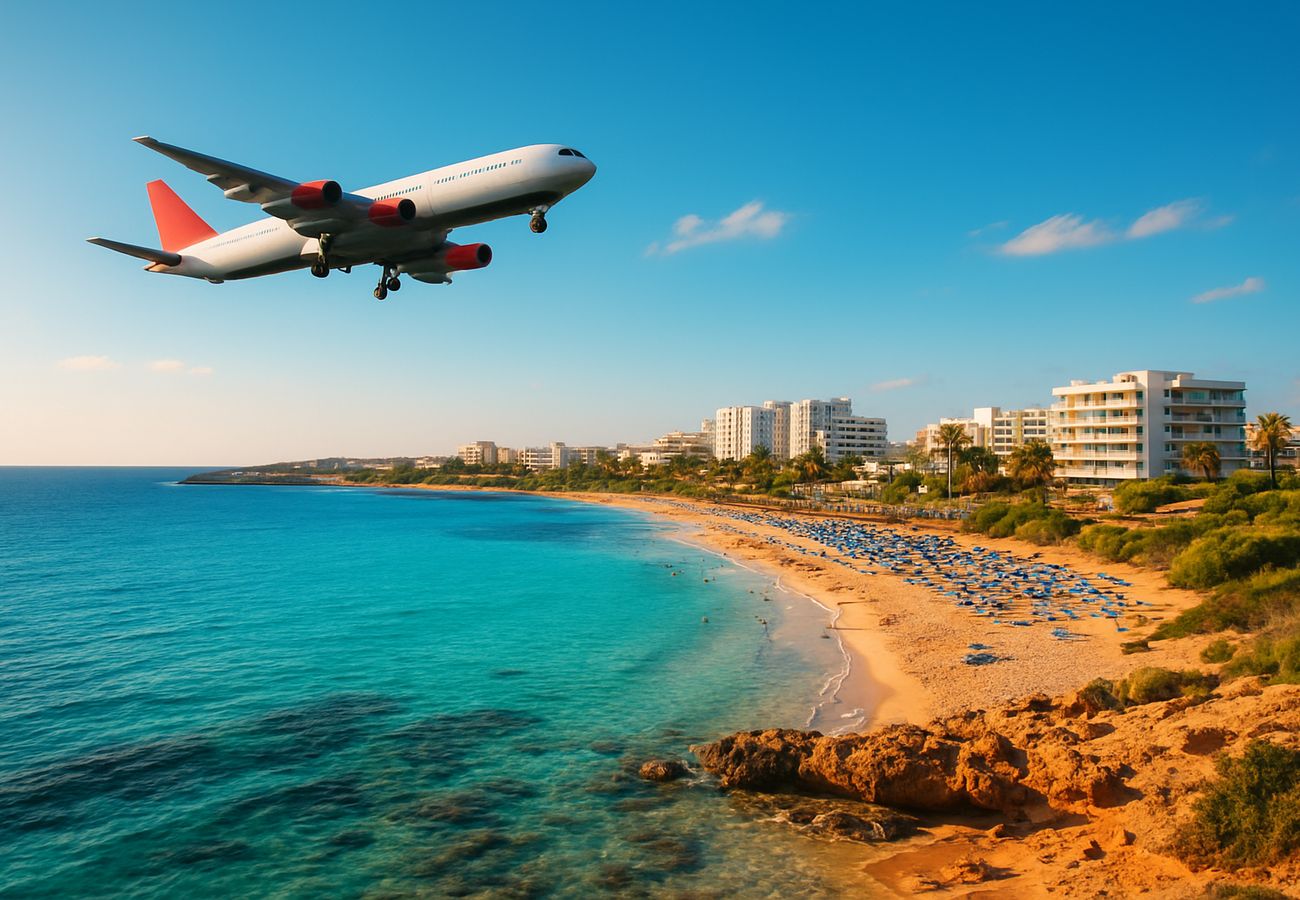
Image generated by AI
Quick Summary
- Airline Capacity Cut: Cyprus has seen a reduction of approximately 600,000 airline seats for the 2026 summer season.
- Primary Drivers: Rising aviation fuel costs, geopolitical instability (Iran conflict), and global economic struggles.
- Vulnerable District: Famagusta (Ayia Napa and Protaras) is facing the most severe impact due to its heavy reliance on seasonal summer tourism.
- Market Softness: Significant disruption in the Israeli market (a top-three source) and softer-than-expected demand from the UK and Poland.
- Global Downturn: Cyprus joins the US, Brazil, Turkey, Egypt, Jordan, and Cuba in facing a synchronized tourism decline in 2026.
- Economic Indicators: Industry reports highlight shorter booking lead times, increased last-minute cancellations, and lower per-visitor spending.
- Diversification Strategy: Shift toward year-round travel, eco-tourism, and wellness tourism to reduce seasonal volatility.
- Source: Cyprus Tourism Organisation and Hermes Airports industry reports as of May 7, 2026.
Cyprus is grappling with a "dire tourism decline" for the 2026 peak summer season, as a combination of geopolitical volatility and soaring aviation costs triggers a massive reduction in airline capacity. On May 7, 2026, industry analysts confirmed that approximately 600,000 seats have been removed from the island’s flight schedules compared to the previous year. The Famagusta district, encompassing the high-volume resorts of Ayia Napa and Protaras, is currently bearing the brunt of this contraction, with early hotel reservations significantly below 2025 levels. As airlines reroute capacity to more stable western Mediterranean hubs like Spain and Portugal, Cyprus is facing a critical loss of its regional Israeli market and softer demand from its primary UK market. The crisis has prompted an urgent pivot toward a more resilient, year-round tourism model focused on older traveler segments and sustainable eco-tourism to weather what is projected to be the toughest financial year in recent memory for the island's hospitality sector.
Global Tourism Crisis 2026: Market Declines and Operational Challenges
The following table summarizes the nations currently facing the most significant tourism contractions and the primary drivers behind their declines.
| Nation | Key Impact Area | Primary Crisis Driver | 2026 Market Status |
|---|---|---|---|
| Cyprus | Famagusta (Ayia Napa) | 600,000 Seat Reduction | Dire Decline / High Risk |
| Brazil | Rio de Janeiro | Inflation & Economic Instability | Weak Season Projection |
| United States | Las Vegas, Florida | High Travel Costs & Visa Rules | International Softness |
| Turkey | Antalya, Bodrum | Geopolitical/Regional Risk | Softened N. European Demand |
| Egypt | Red Sea (Hurghada) | High Insurance & Route Adjust. | Volatile Arrivals |
| Jordan | Petra, Aqaba | Travel Advisories & Conflict Risk | Slowdown in Bookings |
| Cuba | Havana | US Restrictions & Operational Costs | Sharp Decline |
The Cyprus Dilemma: 600,000 Seat Reductions and Airline Capacity Cuts
The reduction in air connectivity is the most immediate threat to the 2026 season:
- Flight Rerouting: Major carriers are moving aircraft to western Mediterranean routes (Spain/Italy/Portugal) which are perceived as safer and more stable alternatives.
- Schedule Contraction: The loss of 600,000 seats represents a significant percentage of the island’s total summer capacity, making it nearly impossible to reach 2025 arrival benchmarks.
- Frequency Reductions: Even on existing routes, flight frequencies have been slashed, leading to higher ticket prices and further deterring price-sensitive travelers.
Geopolitical Risk: Impact of Middle East Instability on Eastern Mediterranean Travel
Regional conflict is reshaping the travel landscape in the eastern Mediterranean:
- Geography of Conflict: Travelers are increasingly avoiding destinations in close proximity to Middle Eastern conflict zones, even if the destinations (like Cyprus) remain safe.
- Israel Market Disruption: As one of Cyprus' top source markets, the collapse of flight links from Tel Aviv is causing an outsized impact on hotel occupancy and restaurant turnover.
- Confidence Crisis: Geopolitical tensions are cited as the primary reason for a sharp increase in cancellations and a move toward last-minute, "wait-and-see" booking behaviors.
Economic Stress: Rising Fuel Costs and Insurance Premiums in the Aviation Sector
Economic factors are making flights to Cyprus less profitable for operators:
- Fuel Price Hikes: Skyrocketing aviation fuel costs are forcing airlines to scale back operations in more distant or regional hubs.
- Insurance Premiums: The cost of insuring flights over or near potential conflict zones has risen sharply, impacting the operational viability of Cyprus routes.
- Operational Risk: Airlines are prioritizing routes with higher margins and lower geopolitical risk factors to protect their 2026 bottom lines.
Famagusta District: The Vulnerability of Ayia Napa and Protaras Resorts
The Famagusta district is uniquely exposed to the current crisis:
- Seasonal Reliance: Ayia Napa and Protaras operate on a narrow seasonal window; disruptions in June-August can wipe out an entire year’s profit.
- Sector Impact: The decline is directly affecting employment levels, retail sales, and the turnover of thousands of small tourism-related businesses.
- Economic Effects: Hotels in the region are reporting a significant reduction in "early bird" reservations, creating a dangerous reliance on last-minute, low-margin bookings.
Global Context: How the US, Brazil, and Egypt are Facing Similar Declines
The 2026 tourism downturn is not localized to the Mediterranean:
- United States: Increased costs and visa complexities are pushing foreign tourists to reconsider major hubs like Las Vegas and Florida.
- Brazil: Inflation and a lack of effective government-led tourism promotion have led to a weak season for Rio and São Paulo.
- Egypt: Popular Red Sea resorts like Hurghada are struggling with route adjustments and the same high insurance costs impacting Cyprus.
Market Softness: The Disruption of Israeli and UK Inbound Flows
Cyprus’ primary source markets are showing uncharacteristic weakness:
- Israel Market Collapse: The proximity and cultural ties that usually drive the Israeli market are currently a liability due to regional conflict.
- UK and Poland: While demand from these nations remains "relatively strong," it is not sufficient to offset the loss of seat capacity and regional market share.
- Lower Spend: Even among visitors who do arrive, per-capita spending is trending downward due to global economic uncertainty.
Shift in Consumer Behavior: Last-Minute Bookings and Shorter Lead Times
The "New Normal" for 2026 travel is characterized by volatility and hesitation:
- Wait-and-See: Travelers are waiting for geopolitical conditions to stabilize before committing to trips, resulting in extremely short booking lead times.
- Cancellation Spike: The eastern Mediterranean is seeing a 20% uptick in cancellations compared to the same period in 2025.
- Budget Consciousness: Visitors are opting for shorter stays and reducing expenditure on luxury add-ons, impacting the "high-yield" segment of the industry.
Conclusion: Adapting to the "New Normal" of High-Volatility Tourism
The May 7, 2026, report on Cyprus tourism serves as a stark warning for the Eastern Mediterranean travel industry. The combination of 600,000 lost airline seats, rising operational costs, and regional geopolitical risk has created a "perfect storm" that is severely impacting the Famagusta district. To survive the 2026 season and beyond, Cyprus must accelerate its diversification into year-round, interest-based travel such as eco-tourism and wellness retreats. The era of relying solely on mass sun-and-sand tourism from a handful of regional markets is proving unsustainable in the face of modern global volatility. As Ayia Napa and Protaras weather this downturn, the focus must shift from volume to resilience, ensuring that the island remains a viable destination regardless of the geopolitical climate in neighboring regions.
FAQ: Cyprus Tourism Crisis 2026
How many airline seats has Cyprus lost for the 2026 summer season? Approximately 600,000 seats have been removed from flight schedules compared to 2025.
Which area of Cyprus is most affected? The Famagusta district, particularly Ayia Napa and Protaras, is most affected due to its heavy reliance on seasonal summer tourism.
Why is tourism declining in Cyprus? The decline is driven by rising fuel costs, reduced airline capacity, geopolitical instability in the Middle East, and global economic struggles.
Related Regional Tourism Reports
Disclaimer
This article is for informational and educational purposes only. It does not constitute legal, financial, or professional advice. While we strive to provide accurate and up-to-date information, travel policies, regulations, and conditions change rapidly. Always verify information with official sources before making travel decisions. Nomad Lawyer makes no representations about the accuracy, reliability, completeness, or suitability of the information provided. Readers should consult qualified professionals for advice specific to their circumstances. The views expressed in this article are those of the author and do not necessarily reflect the views of Nomad Lawyer.
Kunal K Choudhary
Co-Founder & Contributor
A passionate traveller and tech enthusiast. Kunal contributes to the vision and growth of Nomad Lawyer, bringing fresh perspectives and driving the community forward.
Learn more about our team →