
Tanzania and Kenya Integrate SGR Rail Networks in 2026 to Transform East African Tourism
Tanzania and Kenya are merging their Standard Gauge Railway (SGR) networks in 2026, utilizing billions in blended finance to create a unified transit corridor that reduces freight costs and opens new regional tourism routes.

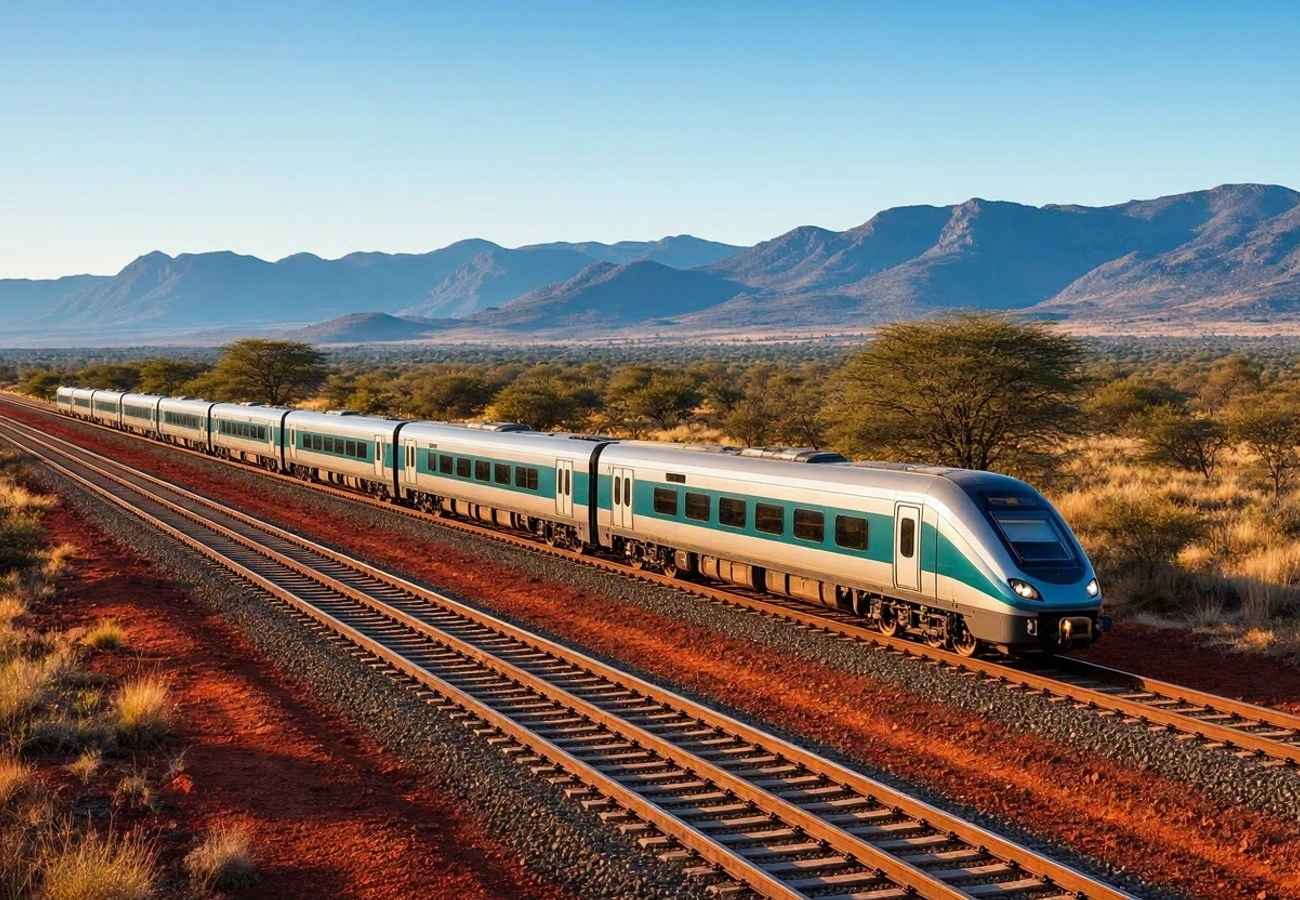
Image generated by AI
Cross-border rail transit in East Africa is shifting from fragmented colonial-era lines to a unified grid, with Kenya recently allocating KSh10.5 billion toward the Voi-Taveta corridor alone. This move signals a departure from the legacy metre-gauge systems that prioritized raw material extraction over passenger mobility, marking the first time in a century that regional infrastructure is being engineered for seamless inter-state movement.
The SGR Expansion in Numbers
The structural overhaul of East African transit is currently driven by two primary arteries: the Northern Corridor (Kenya) and the Central Corridor (Tanzania). The transition to Standard Gauge Railway (SGR) technology is designed to eliminate the economic friction caused by a historical over-reliance on road transport, which previously slowed cargo and passenger movement between coastal hubs and landlocked nations like Rwanda and Burundi.
In 2026, the financial commitment to this integration has intensified. Kenya has earmarked KSh5 billion specifically for a new SGR branch extending from Voi through Mwatate, Bura, Mwakitau, and Taveta. Simultaneously, an additional KSh5.5 billion has been allocated to rehabilitate the existing Voi–Mwatate–Taveta metre-gauge line. This dual-investment strategy allows for immediate freight capacity while the high-speed SGR infrastructure is finalized.
Tanzania's approach relies on a "blended finance" model. Rather than relying solely on sovereign debt, the Tanzania Railways Corporation (TRC) has integrated capital from Export Credit Agencies (ECAs) for rolling stock, Development Finance Institutions (DFIs) for civil works, and commercial banking syndicates for signaling systems. This diversified funding ensures that the electrified SGR network moving from Dar es Salaam toward the western borders remains solvent and scalable.
Regional Infrastructure Comparison: 2026 Shift
The shift from "extraction-based" rail to "integration-based" rail is evident when comparing the old metre-gauge logic to the new SGR architecture. Historically, lines were designed to move minerals from the interior to the coast. The 2026 model focuses on "grid connectivity," allowing a traveler or shipper to move laterally across borders.
| Feature | Legacy Metre-Gauge System | 2026 SGR Integrated Network |
|---|---|---|
| Primary Purpose | Resource Extraction (Interior $\rightarrow$ Port) | Regional Integration (Inter-state Grid) |
| Key Hubs | Isolated Coastal Ports | Connected Hubs (Mombasa, Nairobi, Dar es Salaam, Dodoma) |
| Tanzania Focus | Freight to Dar es Salaam | Electrified Central Corridor to Burundi/DRC |
| Kenya Focus | Mombasa to Nairobi | Voi-Taveta Cross-Border Extension |
| Funding Model | Colonial/State Budget | Blended Finance (ECAs, DFIs, Commercial) |
| Border Friction | High (Road-dependent transfers) | Low (Standardized gauge and protocols) |
What This Means for Travelers
The integration of the Northern and Central corridors fundamentally changes the logistics of visiting East Africa. For the first time, the "Safari Circuit" can be planned around rail rather than expensive 4x4 road transfers or short-haul flights.
Actionable Booking Advice:
- Multi-Country Itineraries: If planning a trip crossing from Kenya into Tanzania in late 2026, monitor the Voi-Taveta link. The transition from the Northern Corridor to the Central Corridor will likely reduce transit times between Nairobi and Dar es Salaam by eliminating multiple road-to-rail transfers.
- Regional Hubs: Focus on Isaka (Tanzania) and Naivasha (Kenya) as emerging transit hubs. These locations are becoming the "junctions" of the region, making them ideal bases for exploring the interior of the East African Community (EAC).
- Sustainability Shifts: Travelers looking to reduce their carbon footprint should prioritize the electrified segments of the Tanzanian SGR, which offer a more sustainable alternative to regional aviation.
Forward Projection: The Continental Grid
The current trajectory suggests that by 2030, the East African SGR will no longer be a series of national projects but a singular economic zone. The progression toward Rusumo and Kabanga indicates that Rwanda and Burundi will soon be fully absorbed into this high-capacity network.
According to data patterns observed by the International Union of Railways (UIC), the standardization of gauge across borders typically leads to a 20-30% increase in intra-regional tourism within the first five years of completion. As Tanzania and Kenya align their customs protocols and technical standards, we expect a surge in "slow travel" tourism, where the journey between the Indian Ocean coast and the Great Lakes region becomes a primary attraction rather than a logistical hurdle.
FAQ: East African Rail Integration 2026
Will rail travel be cheaper than flying between Nairobi and Dar es Salaam? Likely yes for economy travelers. While flights are faster, the SGR's goal is to reduce transit costs. Expect competitive pricing for mid-tier passengers who prefer scenic, sustainable travel over short-haul flights.
Which airlines might see a dip in regional demand? Regional carriers operating short-haul "hopper" flights between major East African cities may see a decline in business travel as the SGR provides a reliable, high-capacity alternative for those not time-constrained.
Is the SGR network fully operational for tourists yet? Segments are operational. The Mombasa-Nairobi line is established, and Tanzania's Central Corridor is expanding. However, the full cross-border integration via Taveta is the current 2026 focus.
How does blended finance affect the traveler? It ensures project stability. By using World Bank or DFI funding, these projects are more likely to meet international safety and environmental standards than those funded by opaque bilateral loans.
The era of the isolated African railway is over; the age of the integrated corridor has arrived.
Related Travel Guides
Disclaimer
This article is for informational and educational purposes only. It does not constitute legal, financial, or professional advice. While we strive to provide accurate and up-to-date information, travel policies, regulations, and conditions change rapidly. Always verify information with official sources before making travel decisions. Nomad Lawyer makes no representations about the accuracy, reliability, completeness, or suitability of the information provided. Readers should consult qualified professionals for advice specific to their circumstances. The views expressed in this article are those of the author and do not necessarily reflect the views of Nomad Lawyer.
Naina Thakur
Contributor & Travel Specialist
Travel enthusiast and legal writer covering visa regulations, responsible tourism, and cultural journeys across global destinations.
Learn more about our team →