
Hundreds Stranded at Tampa International Airport as 101 Flights Delayed, 6 Cancelled — American Airlines, Delta, Southwest & United Hit Hard
Tampa International Airport recorded 101 flight delays and 6 cancellations today, stranding hundreds as American Airlines, Delta, Southwest, and United routes were disrupted.

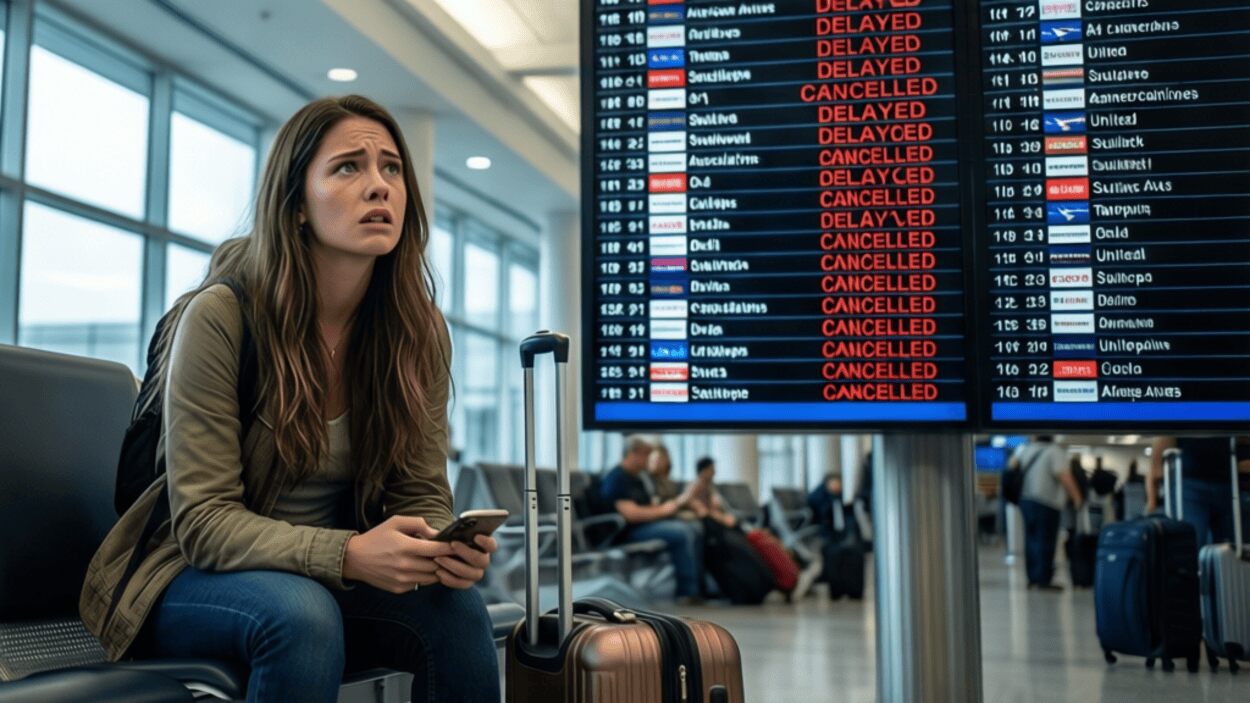
Image generated with AI
Hundreds of passengers woke up to unwelcome news at Tampa International Airport this morning as official flight tracking data confirmed a staggering 101 flight delays and 6 outright cancellations, cutting across major domestic and regional services. Families en route to long-awaited vacations, business travellers racing toward critical meetings, and holiday-bound couples found themselves locked in terminal limbo — refreshing departure boards, queuing at airline counters, and scrambling to salvage fractured travel plans.
The disruption at TPA — one of Central Florida's most vital air gateways — sent ripple effects across the airline network serving Florida's west coast, with no corner of the schedule left untouched.
101 Delays and 6 Cancellations: The Scale of Today's Disruption
To understand just how significant today's numbers are, context is everything. Tampa International Airport is consistently ranked among the most efficiently operated airports in the United States. Its compact design, modern infrastructure, and close proximity to downtown Tampa make it a favourite for both leisure and corporate travellers moving through Florida's Gulf Coast.
Against that backdrop of operational excellence, 101 total delays and 6 cancellations in a single morning represent a sharp departure from the norm. Flight status data from FAA operational reporting pointed to congestion across multiple major U.S. airspace sectors — a systemic bottleneck that cascades down to departure timetables at connected hubs like TPA. When the national airspace network strains, airports from coast to coast feel the pressure, and Tampa proved no exception today.
The 6 cancellations, while a small fraction of the total schedule, carry an outsized punch. When alternate flights are already booked to capacity and seat availability is razor-thin, a single cancellation can strand passengers for hours — or even days.
Airlines and Routes Hit Hardest
American Airlines
American Airlines — which operates one of the largest footprints at Tampa International Airport — recorded delays on key connections to its Charlotte Douglas and Dallas/Fort Worth hubs. Both serve as critical onward gateways for passengers travelling further into the eastern seaboard and across the southern United States.
Delta Air Lines
Delta Air Lines saw postponements pile up on services bound for its Atlanta Hartsfield-Jackson hub, a critical link for travellers connecting to international departures. Passengers relying on tight connection windows to catch long-haul flights faced particular uncertainty as schedules shifted.
Southwest Airlines
Southwest Airlines — a dominant presence in the Florida travel market — reported slowdowns across several of its high-frequency routes out of Tampa, including services to Baltimore, Denver, and Houston. The airline's point-to-point model, popular with leisure travellers, left little slack for rebooking when schedules broke down.
United Airlines
United Airlines experienced delays on northbound flights to Chicago O'Hare, compounding frustrations for business travellers relying on TPA as a southern gateway to the Midwest.
Inside the Terminal: Frustration, Resilience, and Uncertainty
The human cost of the disruptions played out vividly across Tampa International Airport's departure terminals throughout the morning. Families with young children staked out spots near departure gates, eyes ping-ponging between flight status screens and airline staff fielding a relentless stream of rebooking requests. Business travellers found themselves in tense conference calls, rerouting logistics and pushing back meetings as their originally scheduled flights slipped further and further from departure.
Among the most common frustrations was the lack of consistent, timely updates — with departure times shifting multiple times within short windows, leaving passengers unable to plan even their next hour.
"I was supposed to be in New York for a meeting this afternoon, but now everything is up in the air," complained one late-morning traveller, glancing at the departure board. "We've been waiting here for over two hours, and there's no confirmed new time yet."
Others tried to keep spirits up despite the growing uncertainty. One couple, bound for a weekend break, had arrived early hoping to squeeze in some sightseeing at their destination. That plan evaporated quickly. "Instead, we're just watching the clock and hoping our flight actually takes off," one of them added with a sigh.
Weather and Airspace Pressure: The Invisible Hand Behind the Chaos
While Tampa's immediate weather conditions remained generally moderate through the morning, the broader picture across the southeastern and eastern United States tells a more complicated story. Isolated thunderstorms and shifting wind patterns earlier in the day triggered a series of ground holds and airborne spacing adjustments across the region — disruptions that, even when originating hundreds of miles away, reverberate directly into TPA's departure schedule.
Air traffic control flow management initiatives — designed to regulate the density of aircraft in major airspace sectors — often translate into departure delays at airports that are not themselves experiencing severe weather. Tampa felt exactly that effect today: a victim of the networked nature of modern aviation.
Aviation analysts have long noted that periods of peak travel demand — spring break windows, holiday weekends — act as amplifiers, turning modest weather friction into systemic breakdown. When flight volumes push near capacity, airlines have little room to reposition aircraft or reassign crew. One delayed flight at one hub becomes two delayed flights at another, and the cascade accelerates.
Tampa's Bigger Role in Florida's Travel Ecosystem
The disruptions at Tampa International Airport touched far more than the terminal walls. TPA is a gateway not just for Tampa residents but for the broader Central Florida tourism economy — one of the country's most visited regions, drawing millions annually to its beaches, theme parks, and cultural attractions.
Ground transport providers — rideshare companies, shuttle operators, and hotel transfers — reported a spike in demand this morning as passengers reshuffled their arrival times and rescheduled pickups. Nearby hotels saw a rise in walk-in bookings as stranded travellers sought rest before catching later departures.
For theme park visitors, missed morning flights translate directly into lost park time — a frustration that carries real financial weight given the cost of Florida theme park tickets and pre-booked tours.
What Passengers Should Know: Your Rights and the Road Ahead
Airport customer service teams and airline counter staff worked throughout the morning to assist affected travellers with rebooking options and updated information. Under U.S. Department of Transportation regulations, airlines are legally required to provide rebooking options or refunds to passengers significantly impacted by delays and cancellations.
Travellers are strongly advised to:
- Check flight status directly with their carrier before departing for the airport
- Enable real-time notifications via their airline's app or messaging service
- Document all delays — confirmation of delay duration and cause is essential if pursuing compensation
Airlines serving Tampa International Airport are actively working to restore normal schedules, coordinating aircraft assignments and crew rotations to absorb disruption and minimise further cascading delays. Passengers with later departures were advised to remain near their departure gates and monitor updated announcements closely as the afternoon schedule takes shape.
For the hundreds who started this Friday caught in the crossfire of a disrupted aviation network, the journey toward normalcy — both logistical and emotional — is very much still in progress.
Tampa International Airport remains one of America's most passenger-friendly hubs — but today served as a sharp reminder that even the best-run airports are only as smooth as the national airspace system that feeds them.
Related Travel News
Disclaimer
This article is for informational and educational purposes only. It does not constitute legal, financial, or professional advice. While we strive to provide accurate and up-to-date information, travel policies, regulations, and conditions change rapidly. Always verify information with official sources before making travel decisions. Nomad Lawyer makes no representations about the accuracy, reliability, completeness, or suitability of the information provided. Readers should consult qualified professionals for advice specific to their circumstances. The views expressed in this article are those of the author and do not necessarily reflect the views of Nomad Lawyer.
Preeti Gunjan
Contributor & Community Manager
A passionate traveller and community builder. Preeti helps grow the Nomad Lawyer community, fostering engagement and bringing the reader experience to life.
Learn more about our team →