
Hundreds Stranded at San Antonio International Airport as 35 Flights Delayed and 13 Canceled
San Antonio International Airport (SAT) faces a significant operational setback with 35 delays and 13 cancellations, disrupting travel plans for hundreds of passengers across major Texas hubs.

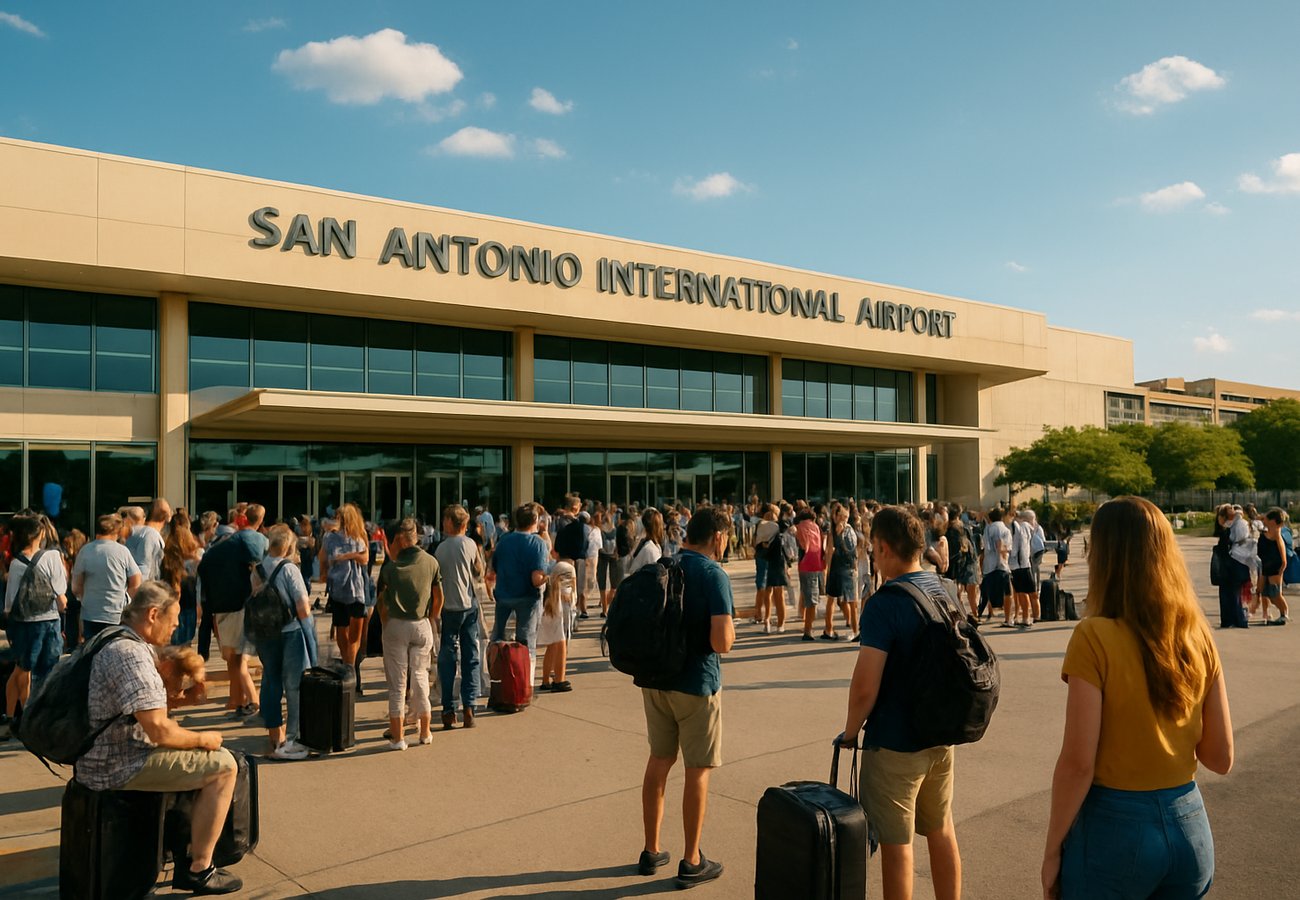
Image generated by AI
San Antonio International Airport (SAT) in Texas is currently grappling with a significant operational setback, as flight operations face mounting pressure with 35 reported delays and 13 outright cancellations in a single day. For hundreds of travelers, what was anticipated to be a routine journey through the heart of Texas has transformed into an uncertain and emotionally taxing experience. Families, business professionals, and tourists are currently scrambling for alternative routing, while many others wait anxiously for the next update from airline departure boards.
Texas Travel Crisis: San Antonio’s Aviation Gateway Under Pressure
The atmosphere inside the SAT terminal reflects a complex mix of frustration and resilience. Long queues at customer service desks, frequent PA announcements, and a constantly shifting schedule have become the reality for those caught in the disruption. For passengers, the impact is more than just a logistical hurdle; it represents missed professional opportunities, delayed family reunions, and significant unexpected stress. The ripple effects of these disruptions are already extending far beyond the San Antonio city limits.
Analyzing the Disruption: Data Reveals a Significant Operational Setback
While the raw figures of 35 delays and 13 cancellations are alarming, they also point to a broader pattern currently affecting the United States' aviation network. According to official data from the Federal Aviation Administration (FAA), these setbacks are often the result of a multifaceted mix of environmental and operational variables.
The FAA’s air traffic reports emphasize that ground delay programs, regional rerouting, and temporary stoppages are essential safety measures, yet they inevitably lead to cascading delays that can paralyze an airport's schedule for an entire day.
Systemic Strain: Why San Antonio is Facing Growing Aviation Challenges
The current turmoil at San Antonio is not an isolated incident but rather a symptom of a strained national system. Recent operational shifts by major carriers and ongoing staffing pressures have added a layer of vulnerability to the SAT hub.
The recent reduction in route availability from certain major carriers has also limited the flexibility available to stranded passengers, making it increasingly difficult to find alternative seats during high-volume disruptions. Combined with the high seasonal demand of May 2026, the aviation infrastructure is being pushed to its limits.
The Root Causes: From Weather to Air Traffic Control Constraints
Aviation analysts have identified several recurring factors contributing to the current situation in San Antonio:
- Weather Conditions: Even if local Texas skies are clear, severe weather in other parts of the country can trigger a domino effect that impacts SAT.
- Air Traffic Control Constraints: Managing one of the world's busiest airspaces requires strict flow management. When demand exceeds capacity, the FAA must introduce delays to maintain safety protocols.
- Airline Operational Issues: Crew duty-hour limitations, mechanical setbacks, and scheduling inefficiencies remain persistent challenges for carriers like American, Southwest, and United.
- Surging Travel Demand: The peak travel periods of 2026 have seen record-breaking passenger volumes, stretching airport facilities to their breaking point.
Terminal Turmoil: The Emotional Toll on Stranded Passengers
For those trapped in the current disruption, the experience is often overwhelming. Many passengers report waiting for hours for even basic updates, while families with young children and elderly travelers face additional hardships. The rising cost of last-minute alternative bookings only adds to the financial and emotional burden placed on the modern traveler.
Navigating the Chaos: Official Guidance and FAA Advisory
Aviation authorities and the FAA strongly advise all travelers to stay informed through official, real-time channels. Passengers are encouraged to:
- Check flight status frequently via official airline websites and apps.
- Arrive at SAT significantly earlier than standard check-in times.
- Maintain direct contact with carriers for rebooking and refund eligibility.
- Monitor broader airspace conditions via the FAA’s National Airspace System status page.
While the FAA manages the flow of air traffic, individual airlines retain responsibility for specific flight cancellations, meaning passengers must remain proactive in their communication with carriers.
The Future of Flight: Modernization Needs in an Era of High Demand
The ongoing disruptions in San Antonio highlight a critical need for accelerated modernization within the aviation sector. As global travel demand continues its upward trajectory, the underlying infrastructure must evolve to provide greater resilience against routine operational shocks.
Experts suggest that increased investment in next-generation air traffic management and improved staffing benchmarks will be essential to mitigating these events in the future. In the short term, however, the "new normal" for travelers involves a higher degree of patience and a constant readiness for the unexpected.
Related Travel Guides
Disclaimer
This article is for informational and educational purposes only. It does not constitute legal, financial, or professional advice. While we strive to provide accurate and up-to-date information, travel policies, regulations, and conditions change rapidly. Always verify information with official sources before making travel decisions. Nomad Lawyer makes no representations about the accuracy, reliability, completeness, or suitability of the information provided. Readers should consult qualified professionals for advice specific to their circumstances. The views expressed in this article are those of the author and do not necessarily reflect the views of Nomad Lawyer.
Kunal K Choudhary
Co-Founder & Contributor
A passionate traveller and tech enthusiast. Kunal contributes to the vision and growth of Nomad Lawyer, bringing fresh perspectives and driving the community forward.
Learn more about our team →