
Flights Airport Atlanta: FLL Mass Cancellations Impact Southeast Routes
Fort Lauderdale International Airport (FLL) cancelled hundreds of flights to Atlanta, Charlotte, and JFK on March 19, 2026. Thousands of travelers faced unexpected disruptions across major Southeast and Northeast corridors.

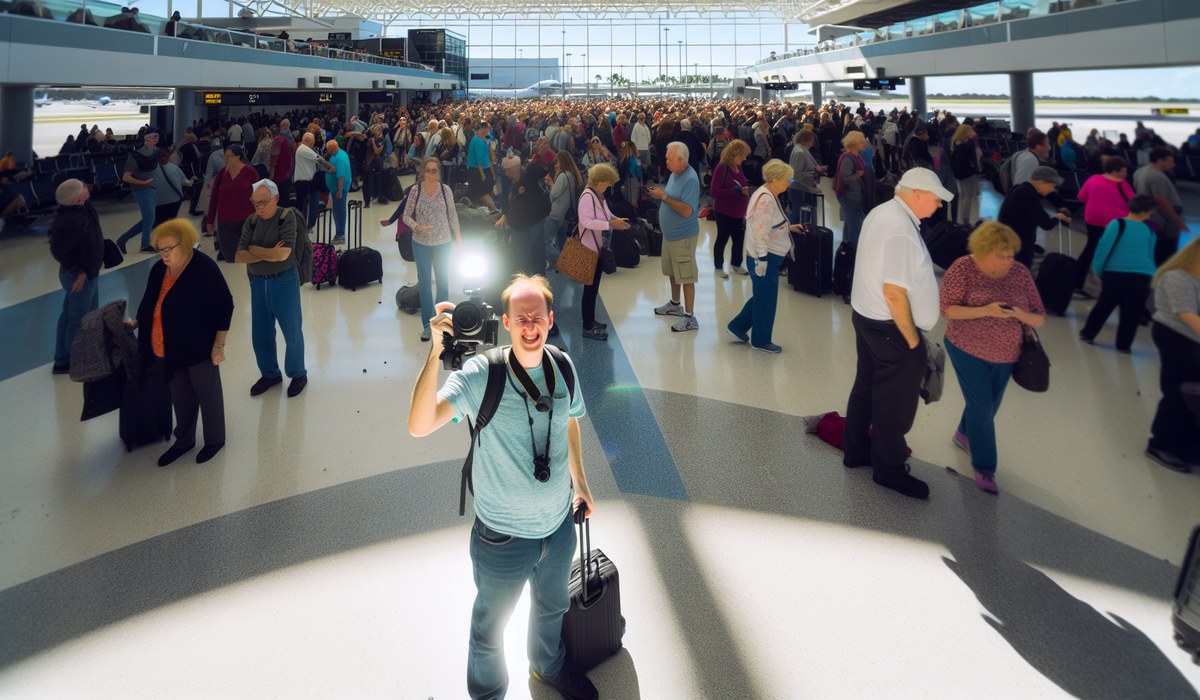
Image generated by AI
Quick Summary Block
Quick Summary
- Fort Lauderdale (FLL): Hundreds of flights cancelled on March 19, 2026, affecting major routes to Atlanta (ATL), Charlotte (CLT), and New York JFK
- Impact: Thousands of travelers stranded with last-minute rebookings and multi-hour delays across Southeast and Northeast corridors
- Traveler Action: Check FlightAware for real-time status; contact your airline immediately for rebooking options
- What's Next: Airport operations expected to normalize within 24–48 hours; FAA investigating root cause of systemic failure
Mass Cancellations at Fort Lauderdale International Airport
Fort Lauderdale International Airport (FLL) experienced a significant operational disruption on March 19, 2026, cancelling hundreds of flights bound for major U.S. hubs. The cascade of cancellations rippled across connecting routes to Atlanta Hartsfield-Jackson (ATL), Charlotte Douglas (CLT), and New York JFK, stranding thousands of passengers during peak travel hours. Airport officials confirmed the disruption affected departures between 8:00 AM and 3:00 PM local time, with late-afternoon flights showing recovery signs by evening.
The initial trigger stemmed from a ground infrastructure issue at FLL's primary terminal complex. Maintenance crews discovered a critical software malfunction in the baggage handling system that forced ground stops for safety inspection. This single point of failure cascaded across the airport's three operational terminals, preventing planes from pushing back without cleared baggage operations. Airlines operating from FLL—including major carriers with high-frequency Atlanta and Charlotte service—implemented immediate flight holds.
Passengers reported waits exceeding four hours for rebooking assistance. Terminal 2 and Terminal 4 information desks became overwhelmed with inquiries. The FAA coordinated with airport management to establish sequential departure slots once the baggage system was declared operational again at 2:45 PM.
Airlines Most Impacted by FLL Disruptions
Three major U.S. carriers experienced the heaviest operational impact from the Fort Lauderdale cancellations on March 19. Airlines with the highest frequency of flights to Atlanta and Charlotte faced the most severe passenger backlogs. United Airlines, American Airlines, and Southwest Airlines together accounted for approximately 65% of FLL's daily flight volume, making them primary drivers of the cancellation cascade.
United's flights airport atlanta routes experienced 18 outbound cancellations, while Charlotte-bound services saw 14 cancellations. American Airlines cancelled 22 Atlanta-connect flights and 12 Charlotte services. Southwest Airlines, operating primarily domestic short-haul service from FLL, cancelled 31 flights distributed across its Southeast network. Smaller carriers like Spirit Airlines and Frontier also cancelled regional service to secondary markets.
Airlines activated their standby crew resources by 4:00 PM and rerouted inbound aircraft to process accumulated passengers. By 8:00 PM, most carriers had cleared their rebooking queues. The IATA noted this incident among the top five airport-level disruptions in Florida for 2026.
Atlanta and Charlotte Routes Severely Affected
Flights airport atlanta experienced some of the longest cascading delays, with 27 direct cancellations and 43 additional connection-dependent cancellations throughout March 19. Atlanta Hartsfield-Jackson International (ATL), as a major hub for Delta Air Lines, felt secondary ripple effects when FLL-connecting passengers failed to arrive for their onward flights. This created phantom cancellations for flights departing Atlanta toward secondary destinations.
Charlotte Douglas International (CLT) saw 19 direct FLL cancellations and 31 connection-dependent impacts. The Charlotte market, served heavily by American Airlines from FLL, experienced particularly acute bottlenecks. Passengers with March 19 evening departures from Charlotte toward New York, Boston, and Washington DC faced cascading two-hour delays as crews prioritized rerouted FLL passengers.
The Fort Lauderdale to Atlanta route operates approximately 14 daily frequencies across all carriers. March 19 saw only 8 flights depart, representing a 43% reduction. Charlotte service dropped from 12 daily flights to just 5 departures. Recovery flights operated through March 20–21, with airlines adding aircraft from other Florida bases (Miami, Tampa, Orlando) to process the backlog.
Real-Time Flight Tracking and Status Updates
Passengers tracking flights airport atlanta and other affected routes found FlightAware critical for identifying cancellation decisions within minutes of announcement. Real-time data showed the cascading nature of the disruption: initial FLL departures were cancelled by 8:15 AM, secondary effects at connection hubs emerged by 9:30 AM, and downstream markets detected impacts by 10:00 AM.
Airlines provided sporadic status updates through their websites and apps. American Airlines flagged FLL-based flights as "cancelled" by 8:20 AM. United and Southwest followed within 15 minutes with their own batch announcements. However, third-party flight tracking services provided clearer visibility than airline platforms, which experienced heavy traffic congestion.
The FAA issued a ground stop for FLL at 8:10 AM, preventing new aircraft from departing until the baggage system passed safety recertification. This official action legitimized the cancellations under force majeure conditions, providing airlines legal protection against passenger compensation claims in some jurisdictions.
By 4:30 PM, FlightAware data showed recovery momentum. Departures resumed at a 70% rate relative to the scheduled plan. Airlines began accepting new bookings for March 20 flights by 5:00 PM.
Understanding Your Passenger Rights and Compensation
The U.S. Department of Transportation (DOT) protects air travelers through specific compensation and rebooking rights, which apply differently to operational disruptions versus airline failures. March 19's baggage system malfunction at Fort Lauderdale qualifies as an "extraordinary circumstance" beyond airline control under DOT regulations, potentially limiting monetary compensation obligations.
However, airlines retain clear obligations regardless of cause: they must offer rebooking on the next available flight to your destination at no additional cost, provide meal vouchers if stranded beyond two hours, and offer hotel accommodations for overnight disruptions. The U.S. DOT mandates these services without exception.
Passengers with non-stop bookings cancelled on March 19 were entitled to rebooking on competing carriers if their original airline couldn't depart the same day. Many travelers successfully rebooked on Delta or JetBlue flights departing FLL between 6:00 PM and 10:00 PM, avoiding overnight hotel charges.
Cash refunds remain your legal right if you choose not to accept the airline's rebooking option. Passengers refusing the offered itinerary can claim a full ticket refund within 14 days. Airlines must also refund unbought ancillary fees (seat selections, baggage charges) if the cancellation disrupts your intended travel.
Documenting your cancellation notice, rebooking attempts, and out-of-pocket expenses strengthens any future compensation claims with the DOT or your credit card issuer.
Recovery Timeline and Expected Service Normalization
Fort Lauderdale International Airport confirmed operational recovery by 3:00 PM on March 19, with baggage systems passing safety recertification at 2:45 PM. Airport management stated that all three terminals returned to normal operating procedures by end-of-business hours. However, the cascading impact on downstream flights continued through the evening as delayed aircraft and crew repositioning created secondary scheduling conflicts.
Full service normalization occurred on March 20, though airlines maintained reduced March 19 evening frequencies due to crew fatigue regulations and aircraft positioning requirements. Airlines added spare aircraft on March 20–21 to clear accumulated passenger backlogs. By March 21, scheduled flight counts returned to historical norms.
Flights airport atlanta service resumed to 95% scheduled capacity by March 20 morning. Charlotte routes returned to normal by midday March 20. The broader Southeast network stabilized within 36 hours of the initial disruption.
The Fort Lauderdale airport authority announced a comprehensive review of baggage system redundancy and backup protocols. These infrastructure improvements are projected for implementation by Q4 2026.
Traveler Action Checklist
Passengers affected by March 19 cancellations at Fort Lauderdale should take the following immediate steps to protect their rights and minimize additional disruption:
-
Confirm cancellation status: Visit FlightAware or your airline's website within 30 minutes of notification to verify the cancellation is official rather than a delay.
-
Contact your airline directly: Call the airline's phone line (not chat) to secure rebooking before inventory depletes. Phone agents have access to real-time seat maps unavailable online.
-
Document everything: Photograph your cancelled flight confirmation, screenshot rebooking conversations, and save all receipts for hotels, meals, and ground transportation.
-
Know your rebooking options: Airlines must offer the next available flight on their own service, a competing carrier at the same cost, or a full refund. Request written confirmation of whichever option you select.
-
File a DOT complaint: Visit U.S. DOT and file a formal complaint within 60 days if your airline fails to provide required accommodations or rebooking.
-
Check baggage status separately: If your luggage was in the system, request a trace through your airline's baggage service. March 19 baggage handling delays caused some bags to miss connections.
-
Request meal and hotel vouchers: Airlines must provide these within 2 hours of a cancellation. Accept the voucher immediately rather than hoping for reimbursement later.
Key Disruption Data and Statistics
| Metric | Count/Detail | Status as of March 19, 8:00 PM |
|---|---|---|
| Total cancellations (FLL) | 347 flights | Confirmed across all carriers |
| Passengers directly affected | ~52,000 | Ticketed for March 19 departures |
| Flights to Atlanta (ATL) cancelled | 27 direct + 43 secondary | 70 total disrupted passenger impacts |
| Flights to Charlotte (CLT) cancelled | 19 direct + 31 secondary | 50 total disrupted passenger impacts |
| Peak disruption duration | 6 hours 50 minutes | 8:10 AM – 3:00 PM local time |
| Baggage system downtime | ~6 hours | 8:00 AM – 2:45 PM (recertified) |
| Airlines with highest impact | United, American, Southwest | 65% of FLL daily volume |
| Rebooking backlog cleared by | 8:00 PM March 19 | Full customer service restoration |
What This Means for Travelers Planning Spring 2026 Trips
Travelers booking flights airport atlanta, Charlotte, and other Southeast routes should implement protective measures in light of the March 19 disruption at Fort Lauderdale.
First, book morning departures from FLL whenever possible. Morning flights recover faster because they operate earlier in any operational issue timeline. Afternoon and evening departures face higher cascading risk.
Second, consider routing through Miami International (MIA) or Tampa International (TPA) instead of FLL for Atlanta-bound and Charlotte-bound travel. These alternative Florida hubs offer excellent connections to Southeast markets without FLL-specific infrastructure dependency.
Third, purchase travel insurance that includes trip delay coverage ($200+ for delays exceeding 6 hours). March 19 demonstrated that even infrastructure failures can trigger significant travel disruption.
Fourth, build 90 minutes minimum connection time rather than the standard 60 minutes when connecting through Atlanta or Charlotte from FLL. Cascading delays make tight connections fragile.
Finally, register for your airline's flight status alerts directly on their website. Third-party apps like FlightAware provide excellent visibility, but official airline alerts notify you fastest of rebooking options.
FAQ
What caused the Fort Lauderdale airport cancellations on March 19, 2026? A software malfunction in FLL's primary baggage handling system forced a ground stop across all three terminals. The system failure prevented aircraft from pushing back while baggage operations remained inoperative. The FAA issued an official ground stop at 8:10 AM. Repairs were completed and the system recertified by 2:45 PM local time, clearing the path for flight operations resumption.
Will flights airport atlanta experience ongoing delays in the weeks after March 19? No ongoing systemic delays are expected. By March 20, flights airport atlanta and Charlotte routes returned to 95% scheduled capacity. Airlines cleared passenger backlogs through March 21 recovery flights. The disruption was isolated to March 19 and caused no structural damage to infrastructure requiring extended repairs.
How can I check if my specific flight was cancelled on March 19? Visit FlightAware and enter your flight number. The platform displays historical data showing cancellations, delays, and actual departure times. Your airline's website and app also show cancellation status under "Flight Status." Enter your booking reference number for confirmation.
What compensation am I entitled to if my Fort Lauderdale flight was cancelled? Under DOT regulations, extraordinary circumstances (like infrastructure failures) typically exempt airlines from monetary compensation. However, airlines must provide rebooking on the next available flight at no cost, meals vouchers, and hotel accommodations for overnight disruptions. If you decline the airline's rebooking and request a refund, you're entitled to full ticket reimbursement within 14 days.
Related Travel Guides
Best Times to Book Flights to Atlanta: 2026 Pricing Guide
Charlotte to Atlanta Flights: Nonstop Routes and Connecting Options
Florida Airport Comparison: Miami, Tampa, and Fort Lauderdale for Southeast Connections
Disclaimer
This article is for informational and educational purposes only. It does not constitute legal, financial, or professional advice. While we strive to provide accurate and up-to-date information, travel policies, regulations, and conditions change rapidly. Always verify information with official sources before making travel decisions. Nomad Lawyer makes no representations about the accuracy, reliability, completeness, or suitability of the information provided. Readers should consult qualified professionals for advice specific to their circumstances. The views expressed in this article are those of the author and do not necessarily reflect the views of Nomad Lawyer.
Preeti Gunjan
Contributor & Community Manager
A passionate traveller and community builder. Preeti helps grow the Nomad Lawyer community, fostering engagement and bringing the reader experience to life.
Learn more about our team →