
Takamatsu Airport Launches Japan First Uber Stand to Boost Shikoku Travel
Takamatsu Airport in Kagawa Prefecture introduces Japan's first Uber Stand, integrating digital bookings with licensed taxis to ease Shikoku tourism.

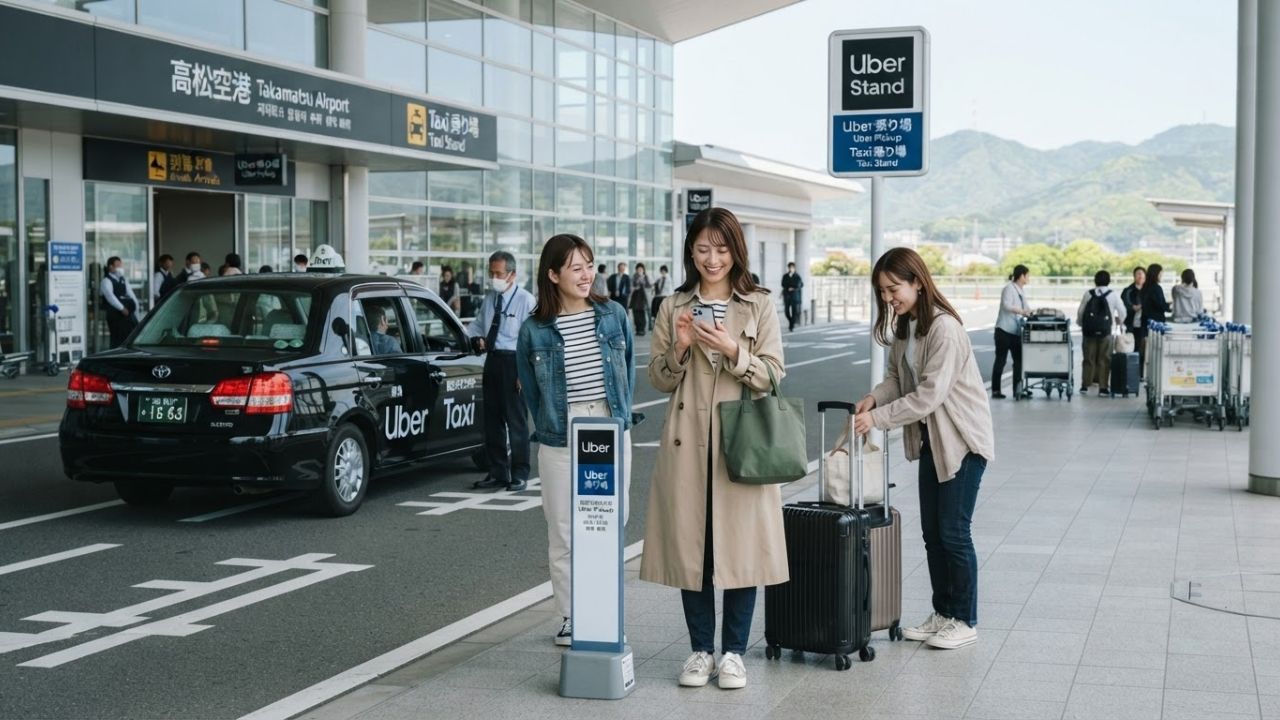
Image generated by AI
Takamatsu Airport has launched Japan's first-ever Uber Stand, establishing a dedicated physical zone for app-based taxi bookings. The new facility in Kagawa Prefecture integrates digital dispatch technology with licensed local taxi operators, offering arriving passengers a streamlined transfer corridor to explore the Shikoku region.
The Modernization of Japan's Ground Transportation Networks
The travel sector in Japan is experiencing a transition as planners build regional destinations to diversify visitor experiences. In August 2026, the introduction of the first Uber Stand at Takamatsu Airport is offering travelers a digital option that avoids language barriers and payment friction on the island of Shikoku.
By establishing these seasonal travel corridors, the airline's management aims to support both business and leisure travel flows. Corporate travelers and travel agencies, which maintain strong relationships with global destination management organizations, benefit from direct seat capacity. This economic integration supports the travel sector, providing service providers with a reliable channel for high-value bookings.
By establishing these seasonal travel corridors, the airline's management aims to support both business and leisure travel flows. Canadian corporate travelers and travel agencies, which maintain strong relationships with European and Asian destination management organizations, would benefit from direct seat capacity. This economic integration supports the travel sector, providing service providers with a reliable channel for high-value bookings.
By establishing these seasonal travel corridors, the airline's management aims to support both business and leisure travel flows. Canadian corporate travelers and travel agencies, which maintain strong relationships with European and Asian destination management organizations, would benefit from direct seat capacity. This economic integration supports the travel sector, providing service providers with a reliable channel for high-value bookings.
By establishing these seasonal travel corridors, the airline's management aims to support both business and leisure travel flows. Canadian corporate travelers and travel agencies, which maintain strong relationships with European and Asian destination management organizations, would benefit from direct seat capacity. This economic integration supports the travel sector, providing service providers with a reliable channel for high-value bookings.
By establishing these seasonal travel corridors, the airline's management aims to support both business and leisure travel flows. Canadian corporate travelers and travel agencies, which maintain strong relationships with European and Asian destination management organizations, would benefit from direct seat capacity. This economic integration supports the travel sector, providing service providers with a reliable channel for high-value bookings.
By establishing these seasonal travel corridors, the airline's management aims to support both business and leisure travel flows. Canadian corporate travelers and travel agencies, which maintain strong relationships with European and Asian destination management organizations, would benefit from direct seat capacity. This economic integration supports the travel sector, providing service providers with a reliable channel for high-value bookings.
Connecting air travel with app-based ground mobility helps reduce arrivals queue times.
Arriving passengers can access taxi services through a structured pickup system, improving travel efficiency to regional sites. This integration allows international visitors to connect with remote attractions without relying on localized booking desks.
How the Uber Taxi Dispatch Model Works at Takamatsu
Navigating regional airport transfers involves selecting dispatch apps and coordinating pickup locations.
This localized disruption also offers a unique opportunity for duty-free retailers and terminal operators to design services suited for stranded passengers. By monitoring passenger comfort levels during long delays, airport customer teams can provide complimentary amenities to ensure guest satisfaction. This proactive approach helps build traveler confidence, ensuring that regional transit routes remain competitive with global hub standards.
This localized disruption also offers a unique opportunity for duty-free retailers and terminal operators to design services suited for stranded passengers. By monitoring passenger comfort levels during long delays, airport customer teams can provide complimentary amenities to ensure guest satisfaction. This proactive approach helps build traveler confidence, ensuring that regional transit routes remain competitive with global hub standards.
The Uber platform connects users directly with licensed taxi services.
Rather than relying on private vehicles, the system requests transport from registered taxi companies. Pickup is managed through the dedicated Stand located outside the main terminal building, allowing travelers to confirm ride details, destinations, and fares via mobile application. This ensures regulatory compliance while offering modern digital convenience to arriving travelers.
Shikoku Tourism: Connecting Gateways to Coastal Destinations
Spreading tourist arrivals from key ports of entry supports regional economic diversity.
This environmental focus is supported by regional climatologists and conservationists who monitor ecosystem health. By tracking tourist footprint signals, managers can ensure that natural areas remain protected. The integration of carrying-capacity policies with wilderness trails demonstrates how tourism planning can protect biodiversity while offering high-quality educational hikes.
This localized culinary focus also offers a unique opportunity for restaurant associations and culinary schools to design programs suited for premium travelers. By monitoring traveler culinary preferences during long stays, local chefs can provide customized dishes to ensure guest satisfaction. This proactive approach helps build traveler confidence, ensuring that Goan coastal dining remains competitive with global culinary standards.
This localized culinary focus also offers a unique opportunity for restaurant associations and culinary schools to design programs suited for premium travelers. By monitoring traveler culinary preferences during long stays, local chefs can provide customized dishes to ensure guest satisfaction. This proactive approach helps build traveler confidence, ensuring that Goan coastal dining remains competitive with global culinary standards.
Takamatsu Airport serves as the primary international gateway to Kagawa.
Improving taxi access at the airport benefits regional accommodation providers, municipal sights, and historic pilgrimage routes across Shikoku's coastal and mountain districts. By linking airport arrivals with remote hot spring resorts, the service helps distribute visitor foot traffic across Kagawa.
Takamatsu serves as the primary ferry transit hub for the famous art islands of the Seto Inland Sea, including Naoshima, Shodoshima, and Teshima, making reliable airport transfers essential for arriving art enthusiasts.
Community Support and Sustainable Regional Transit
Directing visitor spend toward local transport companies helps maintain regional job networks.
For the visitor, the real impact is arriving in a region where travel booking directly supports local taxi owners, neighborhood guesthouse operators, and traditional family-run noodle shops.
Sustainable practices include using electric limousine buses, organizing shared taxi journeys, and backing Shikoku's public railway systems.
Visitor Guide: Local Specialties, Transit Logistics, and Cultural Rules
Exploring Kagawa's historic spots and navigating local transport links involves coordinating train schedules, understanding taxi customs, and trying local delicacies.
Sample traditional culinary specialties during your stay. Savor Sanuki Udon, a Kagawa specialty featuring thick, chewy wheat noodles served in hot dashi broth topped with green onions. Try Honetsuki-dori, seasoned grilled chicken on the bone cooked with garlic and spices.
Coordinate your local transport. Fly to Takamatsu Airport (TAK), and transfer to JR Takamatsu Station using the airport limousine bus for a fare of approximately 1,000 JPY. Take the Kotoden Kotohira Line electric train to visit the historic Kotohira-gu shrine.
Observe taxi etiquette and local customs. When boarding a taxi, do not touch the door handle; the passenger doors are automated and controlled by the driver. Place your fare in the tray provided inside the taxi. Tipping is not accepted in Japan, and passports must have 6 months of validity.
Future Outlook: Rebuilding a Resilient Ground Transport Corridor
The long-term development of Shikoku's travel sector depends on integrating transport corridors with regional planning. The airport authority and local transport associations are collaborating to support regional travel pipelines.
Sustainable initiatives include building low-emission shuttle links, promoting eco-friendly guesthouses, and introducing cultural heritage guides. By combining smart visitor management with traditional agricultural preservation, the region aims to support travel innovation, securing a resilient and connected future for Central Europe's mountain communities.
Related Travel Guides
Disclaimer
This article is for informational and educational purposes only. It does not constitute legal, financial, or professional advice. While we strive to provide accurate and up-to-date information, travel policies, regulations, and conditions change rapidly. Always verify information with official sources before making travel decisions. Nomad Lawyer makes no representations about the accuracy, reliability, completeness, or suitability of the information provided. Readers should consult qualified professionals for advice specific to their circumstances. The views expressed in this article are those of the author and do not necessarily reflect the views of Nomad Lawyer.
Preeti Gunjan
Contributor & Community Manager
A passionate traveller and community builder. Preeti helps grow the Nomad Lawyer community, fostering engagement and bringing the reader experience to life.
Learn more about our team →