
Taif's Al Shafa Highlands: Saudi Arabia's Hidden Summer Escape
Discover why Taif and Al Shafa highlands have become Saudi Arabia's premier summer destination, featuring cool mountain climate, terraced orchards, and adventure activities at 2,500 metres elevation.

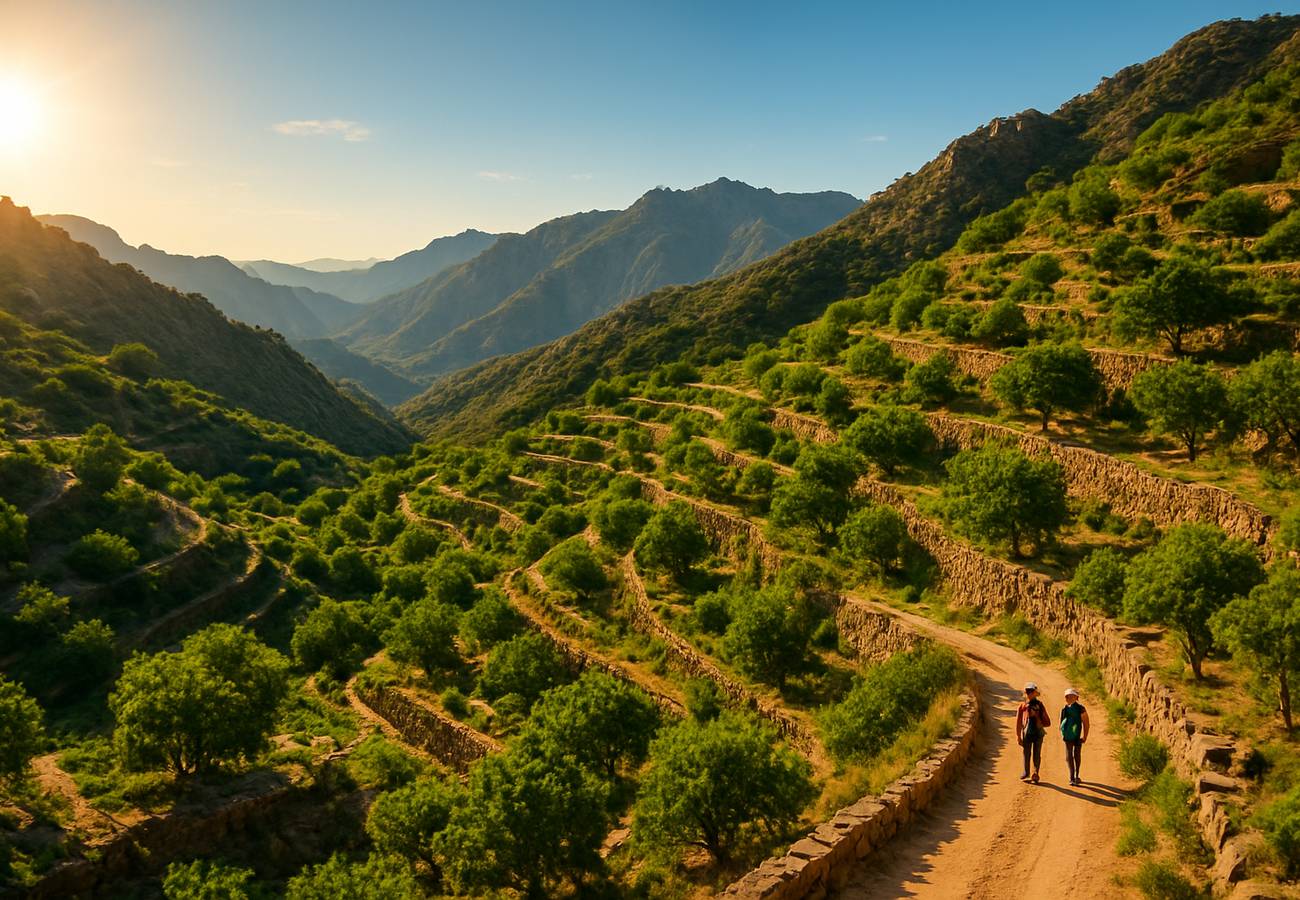
Image generated by AI
The Mountain That Changed Saudi Arabia's Summer Plans
When temperatures in Riyadh and Jeddah push past 45°C, something remarkable happens in the western highlands of Saudi Arabia. Families pack their cars, tourists book their flights, and the roads to Taif fill with visitors seeking something that feels almost foreign to the kingdom: genuine cool air.
I discovered why this mountain city has become the summer retreat of choice for regional travelers, and the answer lies in elevation and landscape transformation. At approximately 1,879 metres above sea level—with nearby Al Shafa reaching 2,500 metres—Taif doesn't just offer cooler weather. It delivers a completely different Saudi Arabia.
Reddit: "Taif in summer is what everyone dreams about when they escape Dubai or Riyadh heat. The air alone changes everything." — r/TravelSaudi
Al Shafa: Where the Desert Loses Its Grip
Positioned about 25 kilometres southwest of central Taif, Al Shafa represents something almost mythical in Arabian tourism: lush highland terrain. Dense mountain forests, terraced agricultural slopes, and valleys carved by seasonal water create an environment that defies the surrounding desert landscape.
The Sarawat Mountain range geography here isn't accidental tourism fortune. This terrain has supported human settlement and agriculture for centuries. Today, it supports something equally valuable—an escape route from extreme heat that draws both domestic Saudi families and regional visitors from across the Gulf Cooperation Council nations.
The climate data speaks clearly: while Jeddah experiences oppressive summer humidity and Riyadh endures dry furnace-like conditions, Taif's elevation creates mild temperatures, occasional fog, and refreshing mountain winds that fundamentally alter the visitor experience.
The Agricultural Heart: Orchards That Define Seasons
What makes Al Shafa economically and culturally significant extends beyond scenic value. The terraced farms covering the highland slopes produce seasonal fruits including apricots, peaches, plums, pomegranates, figs, and grapes that have anchored the region's identity for generations.
During peak harvest seasons, these orchards transform into experiential tourism attractions. Visitors participate in fruit picking, tour traditional farming operations, and understand agricultural practices that have sustained mountain communities for centuries. This isn't performative tourism—it's participation in functional economy.
The Taif rose represents the region's most famous agricultural export. Used in perfumes and rose water, these blooms are celebrated during harvest festivals and remain iconic symbols of the region's cultural heritage.
Beyond florals, highland beekeeping near Al Shafa's streams and valleys produces honey recognized throughout the kingdom for exceptional quality. Local markets and roadside stalls sell this honey as both culinary staple and cultural commodity—tangible proof that mountain elevation creates distinct regional products.
Adventure Attractions: Four Natural Wonders
Dhi Ghazal Valley — Where Water Meets Mountain
A short distance from Al Shafa Center, Dhi Ghazal Valley combines flowing water channels, rocky terrain, and verdant vegetation into a hiking and camping destination. Seasonal waterfalls enhance the appeal, particularly during spring months when water flow peaks. The valley infrastructure supports family picnics, trail walking, and panoramic exploration without requiring technical climbing expertise.
Al Hada Mountain — The Panoramic Alternative
Complementing Al Shafa's terrain, Al Hada Mountain delivers elevated viewpoints through mountain roads and cable car experiences. The overlooks provide breathtaking vistas across the Sarawat Mountains with glimpses extending toward the Red Sea. This site has become essential for sunset photography, scenic driving, and photographers seeking dramatic Arabian landscape shots.
Daka Mountain Park — 360-Degree Summit Experience
At Al Shafa's peak, Daka Mountain Park (Muntazah Jabal Daka) functions as a public facility offering walking paths, picnic terraces, and shaded areas. The 360-degree panoramic views across mountain ranges provide the region's most comprehensive visual experience, ideal for leisurely exploration and social gatherings.
Nature's Biodiversity Framework
The region's juniper forests, fresh mountain air, and diverse flora create ecological distinctiveness. Seasonal greenery, flowing streams, and misty fogs accentuate the visual contrast with typical Saudi Arabian landscape, enhancing both aesthetic appeal and environmental significance. Eco-tourists and outdoor enthusiasts recognize this biodiversity as foundational to the destination's growing appeal.
Infrastructure: Modern Comfort Meets Mountain Heritage
Tourism development in Al Shafa prioritizes sustainable practices while maintaining accessibility. Family-friendly parks, hillside resorts, mountain lodges, and recreational facilities integrate seamlessly with natural environments. The region demonstrates that infrastructure expansion need not compromise cultural sensitivity or environmental conservation.
Cafés, shops, and hospitality services line the main highland routes. Road connectivity from central Taif and highways from Makkah and Jeddah ensure accessibility without requiring specialized mountain driving expertise. The scenic routes themselves function as attractions—panoramic vistas and biodiversity observation occur during transit.
The Complete Activity Menu
Taif and Al Shafa accommodate diverse traveler motivations:
Hiking and trekking across marked mountain trails and valleys. Seasonal fruit picking participation at local farms. Scenic driving routes along mountain roads with photography stops. Bedouin-style outdoor picnics in shaded highland areas. Local market exploration for crafts, honey, and seasonal produce. Cable car experiences and elevated viewpoint visits. Traditional craft workshop observation. Rose garden and agricultural site tours.
This variety explains why the destination attracts families, adventure seekers, cultural tourists, and photographers simultaneously.
Why This Matters for Saudi Arabia's Tourism Future
Saudi Arabia's Vision 2030 tourism strategy actively promotes domestic and regional tourism development. Taif represents natural alignment with these objectives—a genuinely compelling domestic destination requiring minimal infrastructure disruption while showcasing environmental and cultural assets.
The destination doesn't compete with coastal resorts or urban attractions. Instead, it fills a distinct market segment: travelers seeking altitude, agricultural authenticity, and cool climate experiences within driving distance of major population centers.
Reddit: "The roses, the honey, the actual breeze—it's not just cooler, it's genuinely different agriculture happening. You feel like you're in a different country." — r/SaudiArabia
Accessibility and Regional Connectivity
Al Shafa's strategic position within the western highlands places it within reasonable driving distance from Jeddah (approximately 100 kilometres) and Makkah (similar proximity). This accessibility transforms it from remote mountain retreat into practical summer escape for residents of the western region and visitors from across the Gulf.
The roads themselves function as part of the experience. Mountain passes like Mohammediyah provide both access and visual rewards, with panoramic vistas occurring during transit rather than only at final destinations.
The Climate Calculation: Why Numbers Matter
Taif's elevation advantage isn't theoretical. Summer temperatures typically range 15-20 degrees Celsius cooler than lowland Saudi cities. When Jeddah experiences 40°C+ heat with 80%+ humidity, Taif offers 25-30°C with moderate humidity. This differential transforms outdoor activity feasibility, extends comfortable operating hours, and fundamentally changes visitor experience quality.
The occasional fog and mountain mist create atmospheric conditions that visitors rarely encounter in typical Saudi settings. This meteorological distinctiveness—not uncommon at highlands globally—becomes extraordinary within Arabian context.
Cultural Tourism Integration
Beyond agricultural participation, the region supports traditional craft workshops, local heritage experiences, and cultural festivals. The Taif rose harvest and honey production seasons create timing opportunities for visitors seeking cultural alignment with local economic rhythms.
Markets showcase regional products that rarely appear in urban commercial centers. This authenticity—genuine local commerce rather than tourist-directed retail—maintains cultural integrity while generating economic activity.
Planning the Visit: Practical Considerations
The summer season (June through August) represents peak visitation, driven by school holidays and domestic tourism patterns. Accommodation ranges from budget-friendly mountain lodges to premium hillside resorts. Regional travel advisories should be reviewed before booking, particularly regarding road conditions during seasonal weather variations.
Road safety on mountain passes requires standard precautions but presents no unusual technical challenges for standard vehicles. The scenic routes, while featuring elevation changes and curves, remain well-maintained and appropriately signposted.
Taif's Al Shafa highlands represent Saudi Arabia's quiet revolution in domestic tourism—proving that world-class experiences require neither coastal access nor urban centers.
Related Travel Guides
Qantas adds seats on Brisbane-Hobart route with daily October 2026 launch
Eurowings Ignites Balkan Tourism Surge with New Direct Berlin to Sarajevo Service: €64.99 Fares
Disclaimer
This article is for informational and educational purposes only. It does not constitute legal, financial, or professional advice. While we strive to provide accurate and up-to-date information, travel policies, regulations, and conditions change rapidly. Always verify information with official sources before making travel decisions. Nomad Lawyer makes no representations about the accuracy, reliability, completeness, or suitability of the information provided. Readers should consult qualified professionals for advice specific to their circumstances. The views expressed in this article are those of the author and do not necessarily reflect the views of Nomad Lawyer.
Preeti Gunjan
Contributor & Community Manager
A passionate traveller and community builder. Preeti helps grow the Nomad Lawyer community, fostering engagement and bringing the reader experience to life.
Learn more about our team →