
Vietnam's Most Underrated Resort Destination Rivals Maldives in 2026
Vietnam emerges as the most underrated resort destination in 2026, offering luxury oceanfront experiences and cultural attractions at a fraction of Maldives pricing. Digital nomads and budget-conscious travelers discover this Asian gem.

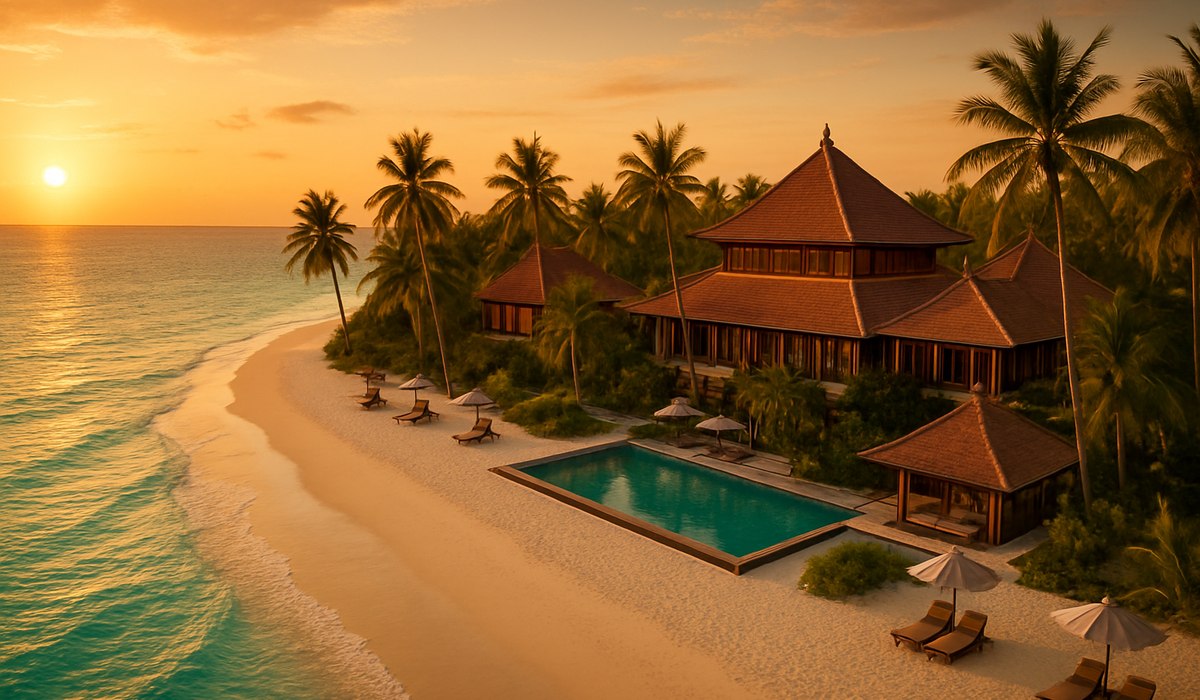
Image generated by AI
Vietnam's Most Underrated Resort Destination Emerges as 2026's Budget Travel Winner
Vietnam's coastal regions have quietly become the most underrated resort destination for travelers seeking luxury without excessive spending. While the Maldives commands premium prices, Vietnam delivers comparable oceanfront elegance, ancient cultural heritage, and world-class hospitality. In 2026, savvy nomads and resort seekers are redirecting their vacation budgets toward this Southeast Asian alternative, discovering beachfront properties that rival tropical paradise destinations at half the cost.
The shift reflects a growing trend among digital nomads and luxury travelers who refuse to compromise on experience for affordability. Vietnam's resort landscape combines pristine beaches, archaeological wonders, and contemporary amenities that appeal to both leisure travelers and remote workers seeking extended stays.
Why Vietnam's Resort Scene Is Outpacing the Maldives
Vietnam's most underrated resort offerings have fundamentally transformed regional travel economics. The destination combines several advantages that traditional premium beach destinations cannot match.
First, operational costs dramatically lower throughout Vietnam's hospitality sector. Staff wages, construction materials, and overhead expenses remain substantially below Maldivian standards, allowing resorts to maintain luxury standards while reducing guest pricing. A beachfront villa in Vietnam costs 40-60% less than comparable Maldives accommodations.
Second, the destination known for cultural depth alongside natural beauty attracts diverse traveler demographics. While the Maldives offers primarily beach experiences, Vietnam integrates ancient temples, colonial architecture, and indigenous markets within short distances from resort properties. Guests experience dual-purpose vacations combining relaxation with exploration.
Third, Vietnam's government tourism initiatives actively promote competitive resort development. Infrastructure investments in coastal regions have accelerated since 2024, creating modern facilities that rival established luxury markets. Direct international flights from major hubs now position Vietnam as increasingly accessible.
Learn more about Southeast Asian travel trends through Booking.com's destination insights.
Oceanfront Resorts and Ancient Ruins: The Best of Both Worlds
Vietnam's most underrated resorts strategically position themselves near historical and natural attractions. This hybrid approach appeals to travelers exhausted by one-dimensional beach vacations.
Coastal resort areas place guests within 30-90 minutes of UNESCO-recognized archaeological sites, colonial-era towns, and traditional fishing villages. Morning beach time transitions seamlessly into afternoon cultural exploration, then evening resort dining. This versatility explains why the destination has gained recognition among experienced travelers seeking depth.
Resort amenities themselves reflect international standards. Private plunge pools, spa treatments featuring traditional Vietnamese therapies, beachfront dining pavilions, and water sports facilities match or exceed Maldives resort specifications. Many properties offer all-inclusive options with activities covering snorkeling, island hopping, cooking classes, and guided historical tours.
The combination of natural scenery and accessible history creates compelling value propositions. Travelers justify extended stays (two to three weeks) more readily when resorts offer varied daily activities beyond sunbathing.
Budget-Friendly Luxury: What You'll Pay vs. the Maldives
Understanding cost differentials clarifies why Vietnam represents the most underrated resort choice for 2026 travel planning.
Maldives Resort Pricing Structure:
- Overwater villa: $800-1,500 per night
- All-inclusive packages: $3,500-6,000 weekly
- Spa treatments: $150-250 per session
- Dining (à la carte): $60-100 per meal
Vietnam Resort Pricing Structure:
- Beachfront villa: $200-400 per night
- All-inclusive packages: $1,200-2,000 weekly
- Spa treatments: $40-80 per session
- Dining (à la carte): $15-30 per meal
These differentials mean a two-week vacation costs approximately $11,200-21,000 in the Maldives versus $2,800-5,600 in Vietnam for comparable luxury standards. Families and groups particularly benefit from these savings, extending vacation durations or increasing travel frequency.
Extended-stay discounts further improve Vietnam's value proposition. Monthly rates typically offer 25-35% reductions, attracting digital nomads and remote workers seeking seasonal workspace alternatives. Several resorts now market specifically toward the digital nomad community with dedicated co-working facilities, reliable high-speed internet, and flexible booking terms.
Getting There: Travel Tips for Nomads and Digital Nomads
Accessibility has improved substantially for international travelers reaching Vietnam's resort destinations.
Flight Routes and Duration: Most travelers connect through Ho Chi Minh City or Hanoi international airports. Direct flights exist from Southeast Asian hubs, with typical journey times ranging from 2-8 hours depending on origin points. Budget carriers including AirAsia and VietJet offer competitive pricing competing with traditional full-service airlines.
Visa Considerations: Vietnam offers e-visas valid for 90 days, processed online within 72 hours. Digital nomads benefit from extended tourist visas accommodating month-plus stays. Recent policy updates (2025-2026) introduced digital nomad visa categories with renewable terms for remote workers maintaining foreign income sources.
Ground Transportation: Coastal resorts maintain airport shuttle services, typically costing $25-50 per transfer. Rental vehicles or private car services suit travelers planning independent exploration. Main highways connect resort areas efficiently to cultural attractions.
Timing for Digital Nomads: Dry seasons (November-April) offer optimal weather conditions. Many resorts discount rates during shoulder seasons (May, September-October), appealing to flexible remote workers. Avoid monsoon months (June-September) unless accepting occasional rainfall for deeper savings.
Visit Vietnam Tourism Official Board for current entry requirements and regional updates.
What Guests Get
Vietnam's most underrated resorts deliver comprehensive experiences exceeding guest expectations.
Accommodation Standards: Private villas feature locally-inspired architectural designs with modern amenities. Properties include climate-controlled bedrooms, rainfall showers, private outdoor spaces, and high-speed WiFi. Beachfront positioning ensures sunset views from primary living areas.
Dining Experiences: Resorts employ award-winning chefs specializing in Vietnamese cuisine alongside international offerings. Multi-course dinners incorporate regional ingredients sourced from local markets. Cooking classes teach guests traditional preparation methods.
Wellness Facilities: Full-service spas offer traditional Vietnamese massage therapies, herbal treatments, and yoga instruction. Fitness centers provide modern equipment. Many resorts offer meditation sessions overlooking ocean vistas.
Activity Programs: Daily schedules include guided snorkeling expeditions, island-hopping boat tours, beach cleanups, tai chi instruction, and evening cultural performances. Archaeological tour partnerships connect guests with professional historians.
Technology and Connectivity: High-speed internet infrastructure supports remote work requirements. Dedicated workspace areas accommodate digital nomads requiring professional environments. Tech support addresses connectivity issues immediately.
Key Data Table: Vietnam Resort vs. Maldives Comparison
| Metric | Vietnam | Maldives |
|---|---|---|
| Average Nightly Rate (Luxury Villa) | $250-400 | $900-1,400 |
| All-Inclusive Weekly Package | $1,500-2,100 | $4,200-6,500 |
| Spa Treatment (60 minutes) | $50-75 | $180-250 |
| Dinner Per Person | $18-28 | $65-95 |
| Flight Cost (From Bangkok) | $60-120 | $300-450 |
| Airport Transfer | $25-50 | $80-150 |
| Visa Requirements | E-visa 90 days | Visa on Arrival |
| Peak Season Duration | 5 months | 4 |
Disclaimer
This article is for informational and educational purposes only. It does not constitute legal, financial, or professional advice. While we strive to provide accurate and up-to-date information, travel policies, regulations, and conditions change rapidly. Always verify information with official sources before making travel decisions. Nomad Lawyer makes no representations about the accuracy, reliability, completeness, or suitability of the information provided. Readers should consult qualified professionals for advice specific to their circumstances. The views expressed in this article are those of the author and do not necessarily reflect the views of Nomad Lawyer.
Preeti Gunjan
Contributor & Community Manager
A passionate traveller and community builder. Preeti helps grow the Nomad Lawyer community, fostering engagement and bringing the reader experience to life.
Learn more about our team →